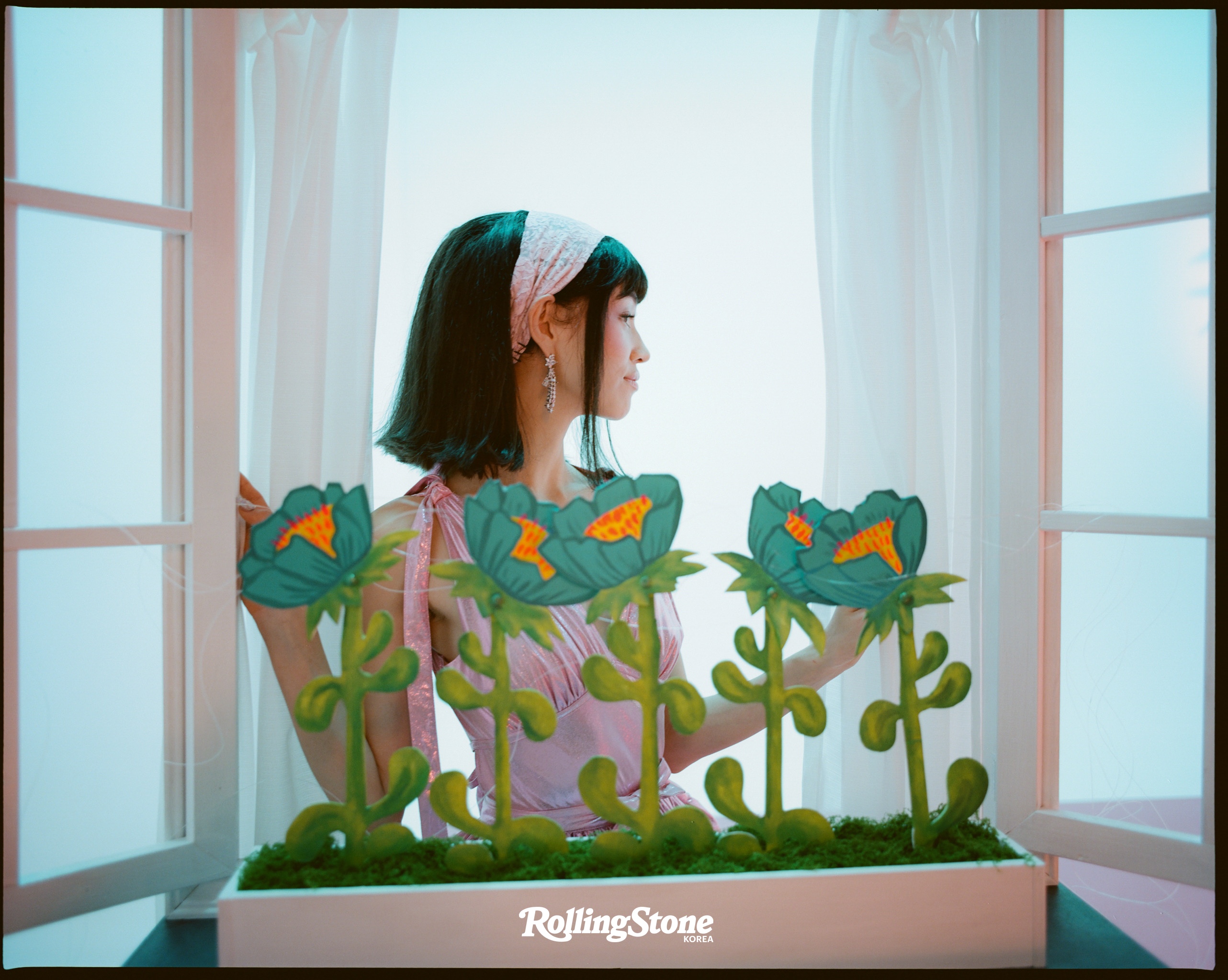
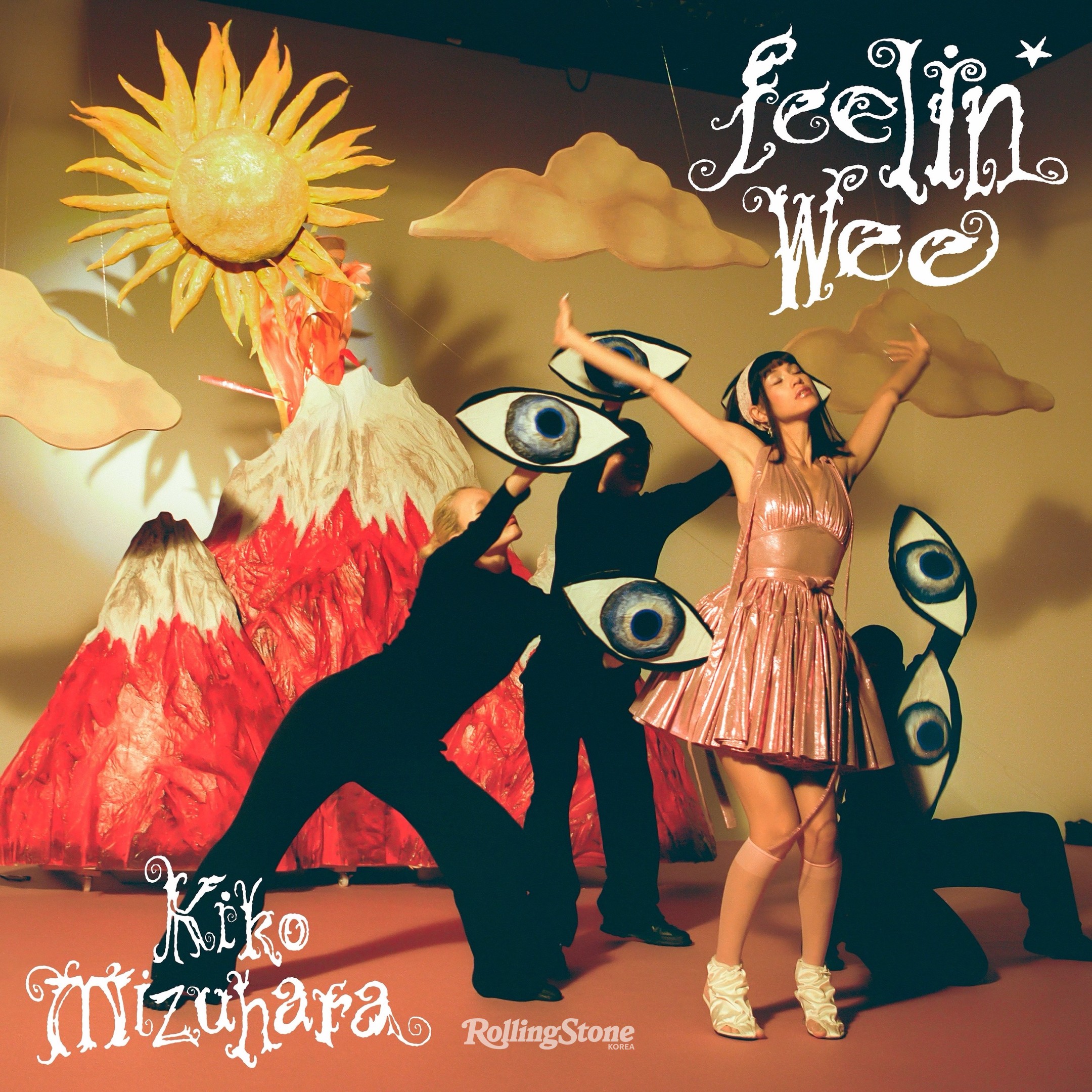
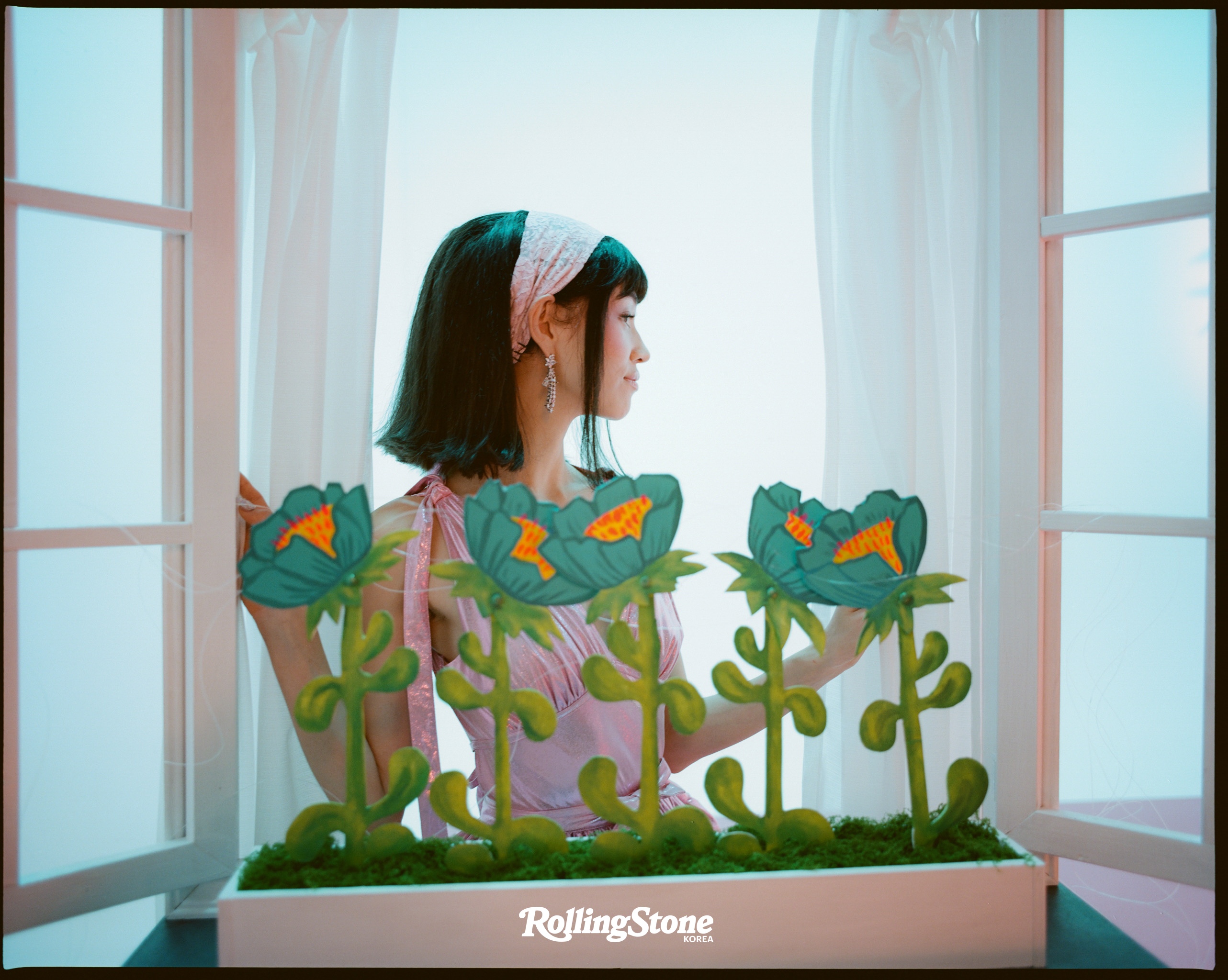
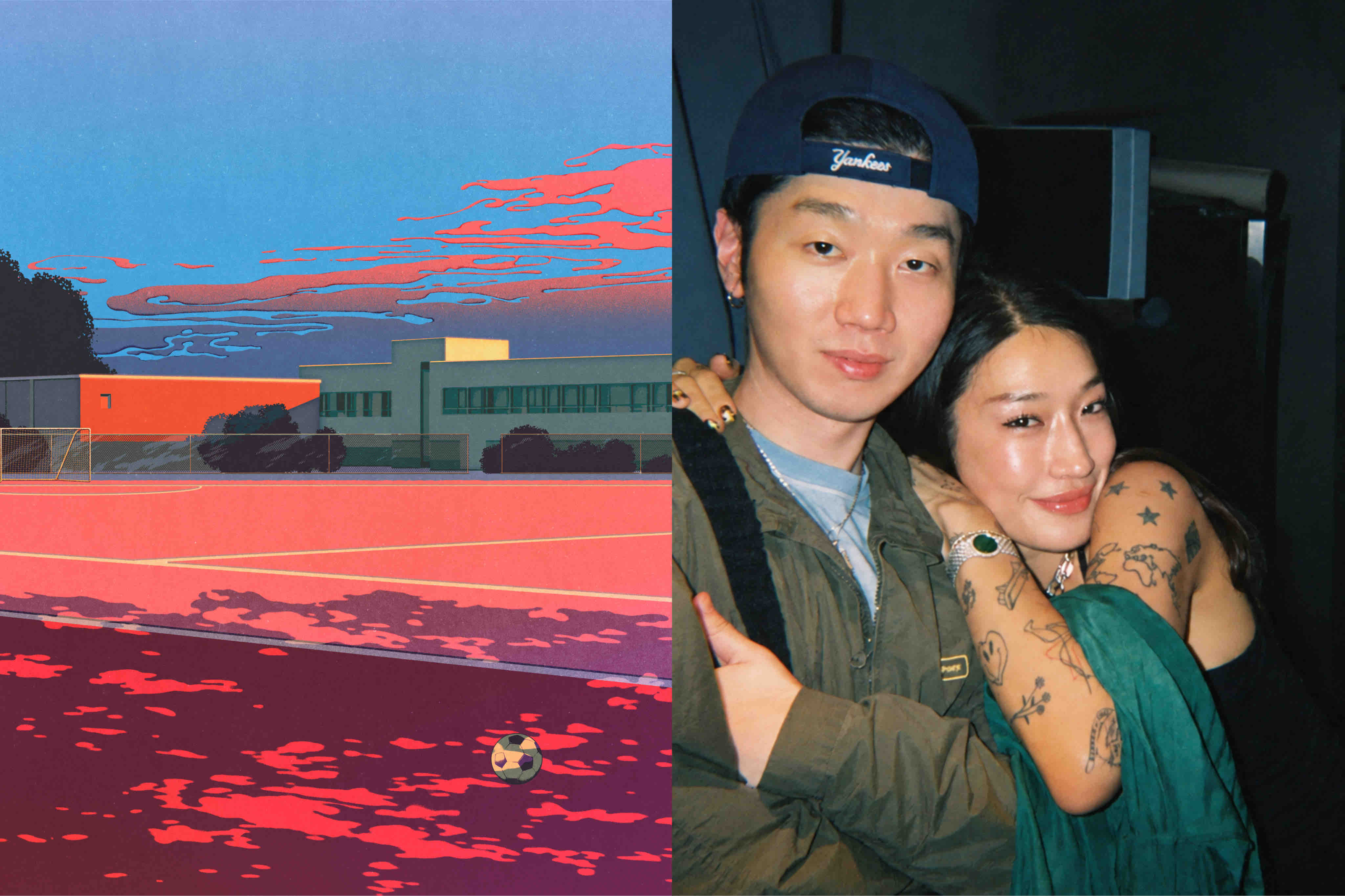
키코 미즈하라(Kiko Mizuhara)는 삶의 대부분을 일하며 보냈다. 실제로 마주한 그는 아담한 체구지만, 그 안에 담긴 에너지는 결코 작지 않다. 작은 체구와는 어딘가 대비되는 단단한 힘. 그가 얼마나 오랜 시간 스스로 자신의 길을 개척해 왔는지 알고 나면, 그 힘의 근원을 조금은 이해하게 된다.
키코가 모델 활동을 시작한 것은 12세 때였다. 부모님의 이혼 이후 가족이 경제적인 어려움을 겪고 있던 시기였다. 우연히 청소년 모델 오디션에 합격하면서 업계에 발을 들였고, 예상치 못하게 찾아온 기회는 점차 그의 삶에서 중요한 부분을 차지하게 됐다. 커리어가 발전하면서 그는 가족의 생계에도 힘을 보태기 시작했다.
고베에서 성장한 키코는 학업과 평범한 10대의 일상을 이어가는 동시에 모델 일을 위해 도쿄를 오갔다. 당시에는 소속된 모델 에이전시도 없이 홀로 업계에서 자신의 길을 찾아야 했다.
미국인 아버지와 재일 한국인 어머니 사이에서 태어나 일본에서 자란 키코는 어린 시절부터 남들과 다른 외모를 지녔다는 사실을 의식하며 성장했다. 모델 활동을 시작하던 무렵에는 혼혈이라는 배경 때문에 놀림을 받기도 했다. 그는 이를 심각한 괴롭힘으로 표현하지는 않지만, 특히 고베에서 성장하는 동안 주변에 자연스럽게 어울리는 일은 쉽지 않았다고 회상한다.
어쩌면 그가 일찍부터 독립적인 삶에 익숙해진 이유도 여기에 있을지 모른다. 이혼한 부모의 장녀였던 키코는 어린 나이부터 책임을 짊어지는 데 익숙해졌다. 10대 시절부터 가족의 생계를 도왔고, 여동생의 고등학교 학비까지 부담했다.
16세가 되던 해, 키코는 자신의 커리어를 바꿀 중요한 결정을 내렸다. 도쿄에서 모델 활동을 본격적으로 이어가기로 한 것이다. 당시 이모의 집에 머물던 그는 처음으로 모델 에이전시와 계약을 맺었다.
도쿄에는 고베에서 경험하지 못했던 새로운 가능성이 있었다. 패션 산업은 훨씬 다양했고, 혼혈 모델들의 활동도 더욱 활발했다. 새로운 환경은 키코에게 이전과는 다른 기회를 열어주었다. 그의 도전은 일본에 머무르지 않았다. 모델로서 어디까지 나아갈 수 있을지 확인하기 위해 기회를 찾아 파리로 향하기도 했다.
그러나 커리어에서 가장 중요한 기회 중 하나는 일본으로 돌아온 뒤, 뜻밖에도 모델이 아닌 연기 분야에서 찾아왔다. 무라카미 하루키의 소설을 원작으로 한 쩐아인훙 감독의 영화 〈상실의 시대〉(Norwegian Wood)에 출연하게 된 것이다. 2010년 개봉한 이 작품은 키코의 커리어에 중요한 전환점이 됐다. 스무 살 무렵, 그는 어느새 대중의 주목을 받는 인물이 되어 있었다.
대중적인 인지도는 새로운 기회를 가져왔지만, 동시에 이전과는 다른 제약도 뒤따랐다.
언제나 자유를 추구해 온 키코에게 연예계는 수많은 규칙으로 이루어진 세계였다. 무엇을 할 수 있는지, 어떻게 행동해야 하는지, 심지어 연애를 해도 되는지까지 제한이 따랐다. 그는 자신의 삶에 대한 결정권을 더 많이 가질 수 있는 환경을 찾아 소속사를 옮겼다.
아이러니한 일이었다. 어린 시절부터 스스로 세상을 헤쳐 나가는 법을 배운 그는 이제 어디를 가든 알아보는 사람이 있을 만큼 성공했지만, 정작 자신의 선택을 자유롭게 내리기 위해 또다시 싸워야 했다.
20대 내내 키코는 모델과 배우로 활동하며 커리어의 성장과 함께 찾아온 기회와 기대 속에서 자신의 길을 이어갔다. 그러는 동안 익숙해진 역할과 책임을 넘어, 자신이 진정으로 원하는 것은 무엇인지 고민하기 시작했다.
키코와 오랜 시간 이야기를 나누다 보면 부드러운 태도 너머에 자리한 놀라운 강인함을 발견하게 된다. 어린 시절부터 많은 책임을 감당해 왔지만, 그의 삶을 설명하는 것이 고난만은 아니다. 그 안에는 호기심과 즐거움, 창작을 향한 진심 어린 애정도 함께 존재한다.
오랜 시간이 흐른 지금, 키코는 지난 경험을 놀라울 만큼 담담하고 가벼운 태도로 이야기한다. 모든 문제가 해결됐기 때문은 아니다. 그는 여전히 자신의 경험을 돌아보고, 그 안에서 새로운 방식으로 자신을 이해해 나가고 있다. 키코의 회복력은 굳이 드러내거나 증명해야 할 무엇이 아니다. 끊임없이 탐색하고 질문하며 앞으로 나아가려는 태도 속에서 자연스럽게 드러난다.
그렇기에 오늘날 키코가 이야기하는 자유는 더욱 특별한 의미를 지닌다. 삶의 많은 시간을 책임과 꿈 사이에서 균형을 잡으며 보낸 그는 이제 자신이 진정으로 원하는 것이 무엇인지 묻고, 그것을 직접 실현하기 위한 여유를 만들어가고 있다.
삶의 새로운 장으로 나아가는 그의 모습에는 조용하지만 분명한 대담함이 있다. 모델, 배우, 사업가. 그리고 이제는 뮤지션까지.
음악은 치밀하게 계획된 커리어의 다음 단계가 아니라, 사랑을 통해 자연스럽게 키코의 삶에 들어왔다.
키코는 존 캐럴 커비(John Carroll Kirby)와 3년간 연인 관계를 이어오다 올해 헤어졌다. 두 사람이 함께한 시간 동안 세계 곳곳을 여행했고, 음악은 자연스럽게 그들의 일상에 스며들었다. 존은 어디를 가든 악기를 챙겼고, 두 사람은 함께 새로운 소리를 실험하고 아이디어를 나누며 가사를 쓰고 노래를 만들었다. 키코에게 음악은 단순히 노래를 부르는 일이 아니었다. 그는 창작의 전 과정에서 즐거움을 발견했다.
처음에는 그저 함께 음악을 만드는 시간이 좋았을 뿐이었다. 두 사람이 나누던 사적인 창작의 순간들이 훗날 키코에게 전혀 새로운 길을 열어줄 것이라고는 예상하지 못했을 것이다. 두 사람의 관계는 결국 끝났지만, 키코는 그 시간을 원망 없이 돌아본다.
“우리는 정말 아름다운 관계를 나눴어요. 저는 지금도 그를 친구로서, 한 사람의 인간으로서 깊이 사랑해요. 우리가 함께했던 시간은 진실했어요. 그와 나눈 모든 순간에 감사하고, 지금도 아티스트로서 그를 깊이 존경해요.”
이별 이후 키코에게 남은 것은 감사함만이 아니었다. 그 관계를 통해 발견한 자신의 새로운 모습도 있었다. 음악은 어느새 단순한 시도를 넘어 그의 일부가 되어 있었다.
“음악은 제 피이자, 제 본질이에요. 모델 활동을 할 때도 음악이 필요하고, 연기를 할 때도 음악이 필요해요.”
첫 솔로 싱글 〈Feelin’ Wee〉를 발표하고 앨범 발매를 앞둔 지금, 키코는 하나의 영역으로 정의할 수 없었던 자신의 커리어에 또 하나의 이름을 더하고 있다.
토론토국제영화제에서 만난 키코는 자신의 첫 미국 영화 〈Vintage Violence〉와 함께 영화제를 찾았다. 아직 경험하지 못한 새로운 영역으로 내딛는 또 한 번의 발걸음이었다.
키코는 이 작품을 빈티지 청바지와 폭력, 로맨스가 혼란스럽게 뒤섞인 영화라고 설명한다. 그에게 특히 인상적이었던 것은 유진 코틀랴렌코(Eugene Kotlyarenko) 감독이 일상에 깊이 스며든 기술을 영화 속에 담아내는 방식이었다. 문자메시지와 스트리밍, 휴대전화, 소셜미디어는 단순한 배경 장치에 머무르지 않는다. 등장인물들이 친밀감과 기대, 불안을 경험하는 방식 자체를 이루는 요소가 된다.
메시지 하나에 설렘을 느끼기도 하고, 답장이 오지 않는 순간 전혀 다른 감정에 휩싸이기도 한다. 키코에게 이처럼 사소해 보이는 디지털 상호작용은 실제로 우리가 경험하는 감정의 일부다. 많은 영화 제작자들이 스크린에 담기를 주저할 법한 일상적인 경험을 유진 감독은 오히려 적극적으로 작품 속에 끌어들인다.
2026년은 키코에게 변화의 해였다. 이별과 새로운 음악적 도전, 연기 프로젝트, 자신의 스킨케어 브랜드, 그리고 끊임없는 자기 성찰이 이어졌다. 올해는 키코가 태어난 해와 같은 말의 해이기도 하다. 다음에 무엇이 기다리고 있을지 여전히 알아가는 중이지만, 그는 지금 자신의 모습에 만족하고 있다고 말한다.
키코 미즈하라는 화려한 이미지 너머의 이야기에 귀 기울일 가치가 있는 인물이다. 멀리서 바라본 그의 삶은 모든 것이 자연스럽고 수월하게 흘러온 것처럼 보일 수 있다. 하지만 가까이에서 마주하면 그 밝고 가벼운 태도 뒤에 얼마나 오랜 시간의 경험과 선택, 끊임없는 변화가 쌓여 있는지 알게 된다.
키코는 자신의 이야기가 이미 완성됐다고 생각하지 않는다. 여전히 자신에 대해 알아가고, 익숙했던 사고방식에 질문을 던지며, 지금의 삶에서 자유와 행복이 어떤 의미를 갖는지 발견해 나가는 중이다.
그러한 솔직함에는 신선한 매력이 있다. 모든 답을 알고 있는 사람처럼 자신을 내세우기보다, 성장에 따르는 불확실성을 자연스럽게 받아들인다. 여전히 호기심을 잃지 않고, 감사할 줄 알며, 앞으로 펼쳐질 가능성에 설렘을 느낀다.
어쩌면 키코 미즈하라에게서 가장 인상적인 것은 모든 어려움을 극복했거나 삶의 정답을 찾아냈다는 사실이 아닐 것이다. 끊임없이 탐색하고 변화하며 자신 안의 새로운 모습을 발견하려는 태도, 바로 그것이다.
“스스로 자신을 행복하게 만들어야 해요.”
키코에게 행복은 마침내 도달한 목적지가 아니다. 지금도 끊임없이 탐색하고 스스로 만들어가는 것이다. 그의 이야기는 여전히 진행 중이다. 그리고 어쩌면 바로 그 점이 그의 삶을 더욱 흥미롭게 만드는 이유일 것이다.
Photography — Chiara Croserio
Kiko Mizuhara’s Life Beneath the Glow Is Anything but Effortless
For most of her life, Kiko Mizuhara has been working. In person, she is petite, but it doesn’t take long to sense the enormous energy behind that small frame. There is a certain force to her, one that seems at odds with her physical presence until you learn how much of her life she has spent making her own way.
She started modeling at 12 years old, not long after her parents divorced and her family was going through financial difficulties. After passing an audition to become a teen model, she began working in the industry. What started as an unexpected opportunity gradually became an important part of her life, and as her career developed, she began helping support her family.
Growing up in Kobe, she would travel to Tokyo for modeling jobs while balancing school and the everyday experiences of being a teenager. At the time, she wasn’t signed to any modeling agency and was navigating the industry on her own.
Born to an American father and a Zainichi Korean mother and raised in Japan, Kiko also grew up acutely aware of what it meant to look different. During her early modeling years, she remembers being teased for her mixed-race background. She doesn’t characterize the experience as hardcore bullying, but fitting in was difficult, particularly growing up in Kobe.
Perhaps that is partly why independence came to her so early. As the eldest daughter of divorced parents, Kiko grew accustomed to taking on responsibilities at a young age. While still a teenager, she helped support her family and paid for her younger sister’s high school education.
At 16, Kiko made a decision that would alter the trajectory of her career: she decided to pursue modeling more seriously in Tokyo. She was staying with her aunt at the time and signed with a modeling agency for the first time.
Tokyo offered something Kobe hadn’t. The fashion industry was more diverse, and mixed-race models were far more visible. It was a new environment, one that opened up different possibilities for her career. Eventually, her ambitions took her beyond Japan. She traveled to Paris looking for opportunities, testing how far modeling might take her.
One of the biggest opportunities of her career arrived after she returned to Japan, and it wasn’t modeling. Kiko was offered a role in Norwegian Wood, Tran Anh Hung’s adaptation of Haruki Murakami’s novel. Released in 2010, the film marked a major turning point. Around the age of 20, Mizuhara suddenly found herself becoming a public figure.
Visibility brought opportunity. It also brought a new kind of restriction.
For someone whose instinct had always been to pursue freedom, Kiko found herself in an entertainment industry built around rules: what she could do, how she could behave, even whether she could date. She changed agencies in search of one that would allow her greater control over her life.
The irony was difficult to miss. Having learned to navigate the world independently from a young age, Kiko was now successful enough to be recognized everywhere, yet still had to fight for the freedom to make her own choices.
Throughout her twenties, Kiko continued working across modeling and acting, navigating the opportunities and expectations that came with her growing career. Along the way, she began to question what she truly wanted for herself, beyond the roles and responsibilities she had become accustomed to.
Spend enough time talking to Kiko, and you begin to sense a remarkable toughness beneath her gentle demeanor. She has taken on responsibilities from a young age, but her story is not defined by hardship alone. There is also curiosity, joy, and a genuine love for creative expression.
Years later, she speaks about her experiences with a striking lightness, not because everything has been resolved, but because she continues to reflect on them and understand herself in new ways. Her resilience is not something she needs to announce or prove; it reveals itself in her willingness to keep exploring, questioning, and moving forward.
That is what makes her sense of freedom today feel so meaningful. After spending much of her life balancing responsibility with ambition, Kiko is increasingly making space to ask herself what she actually wants to do, and then go after it.
There is a quiet fearlessness in the way she moves from one chapter to the next. Model. Actress. Entrepreneur. And now, musician.
Music came into Kiko’s life not through a calculated career move, but through love.
She was in a relationship with John Carroll Kirby for three years before the two separated this year. During their time together, they traveled around the world, and music became part of the rhythm of their relationship. John would bring instruments wherever they went, and together they would experiment with sounds, exchange ideas, write lyrics, and create songs. For Kiko, it wasn’t just about singing; she found joy in the entire creative process.
At first, it was simply something they did together, two people making music for the joy of it. Neither necessarily expected those private creative moments to open an entirely new path for Kiko. The relationship eventually ended, but Kiko speaks about it without bitterness.
“We had a beautiful relationship, and I deeply love him so much, as a friend, as a human being. What we had was real. I appreciate every single moment with him. I still deeply respect him as an artist.”
What remained after the breakup was not only gratitude, but a part of herself she had discovered through the relationship. Music had become more than an experiment.
“Music is my blood, music is my core. I need music to model, and I need music to act.”
Now, with the release of her first solo single, “Feelin’ Wee,” and an album on the way, Mizuhara is adding another title to a career that has never fit neatly into one category.
When we meet during the Toronto International Film Festival, she is in town with Vintage Violence, her first American film, another step into territory she has yet to explore.
Kiko describes the film as a chaotic mix of vintage jeans, violence, and romance, but what particularly struck her was the way director Eugene Kotlyarenko embraces the technology woven into everyday life. Text messages, streaming, phones, and social media aren’t treated simply as background details; they become part of how the characters experience intimacy, anticipation, and anxiety.
A message can spark excitement, while an unanswered one can trigger an entirely different emotion. To Kiko, those seemingly mundane digital interactions are real emotional experiences, ones that many filmmakers might shy away from putting on screen, but that Eugene deliberately leans into.
2026 has been a year of change: a breakup, a new path in music, acting projects, her skincare brand, and plenty of self-reflection. It is also the Year of the Horse, the same Chinese zodiac year in which Kiko was born. Through it all, she says she is happy with where she is now, even as she continues to figure out what comes next.
Kiko Mizuhara is someone worth knowing beyond the image. From a distance, her life can look effortless. Up close, you begin to understand that behind her lightness is a lifetime of experiences, choices, and constant evolution.
But Kiko doesn’t see her story as one that has reached its conclusion. She is still learning about herself, questioning old patterns, and discovering what freedom and happiness mean to her at this stage of her life.
There is something refreshing about that openness. Rather than presenting herself as someone who has everything figured out, she embraces the uncertainty that comes with growth. She remains curious, grateful, and excited by the possibilities ahead.
Perhaps that is the most striking thing about Mizuhara: not that she has overcome every challenge or found all the answers, but that she is willing to keep searching, changing, and discovering new sides of herself.
“You have to make yourself happy on your own.”
For Kiko, happiness is not a destination she has finally reached, but something she continues to explore and create for herself. Her story is still unfolding, and perhaps that’s what makes it so compelling.
BY PROVIDING YOUR INFORMATION, YOU AGREE TO OUR TERMS OF USE AND OUR PRIVACY POLICY. WE USE VENDORS THAT MAY ALSO PROCESS YOUR INFORMATION TO HELP PROVIDE OUR SERVICES.