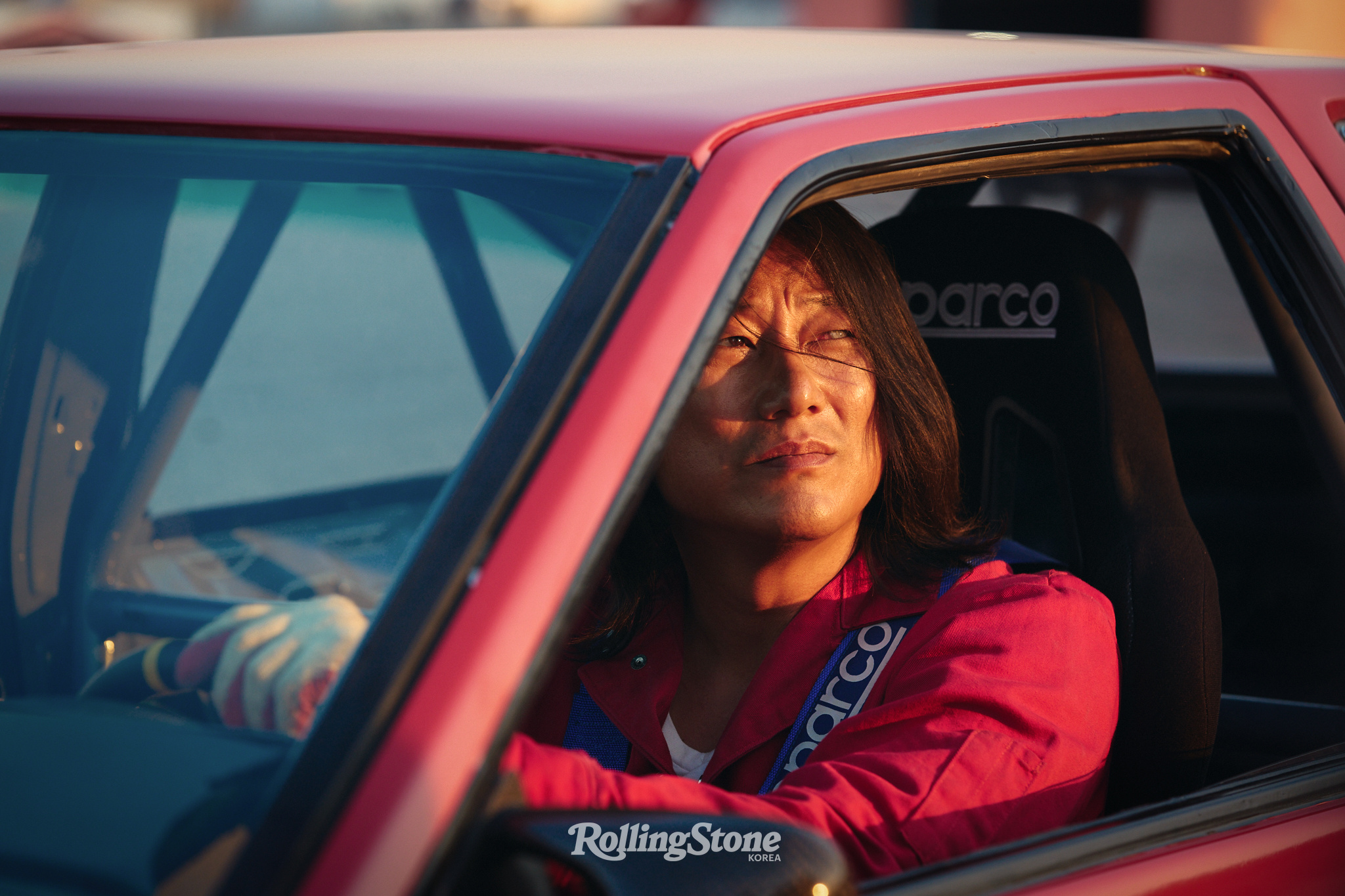
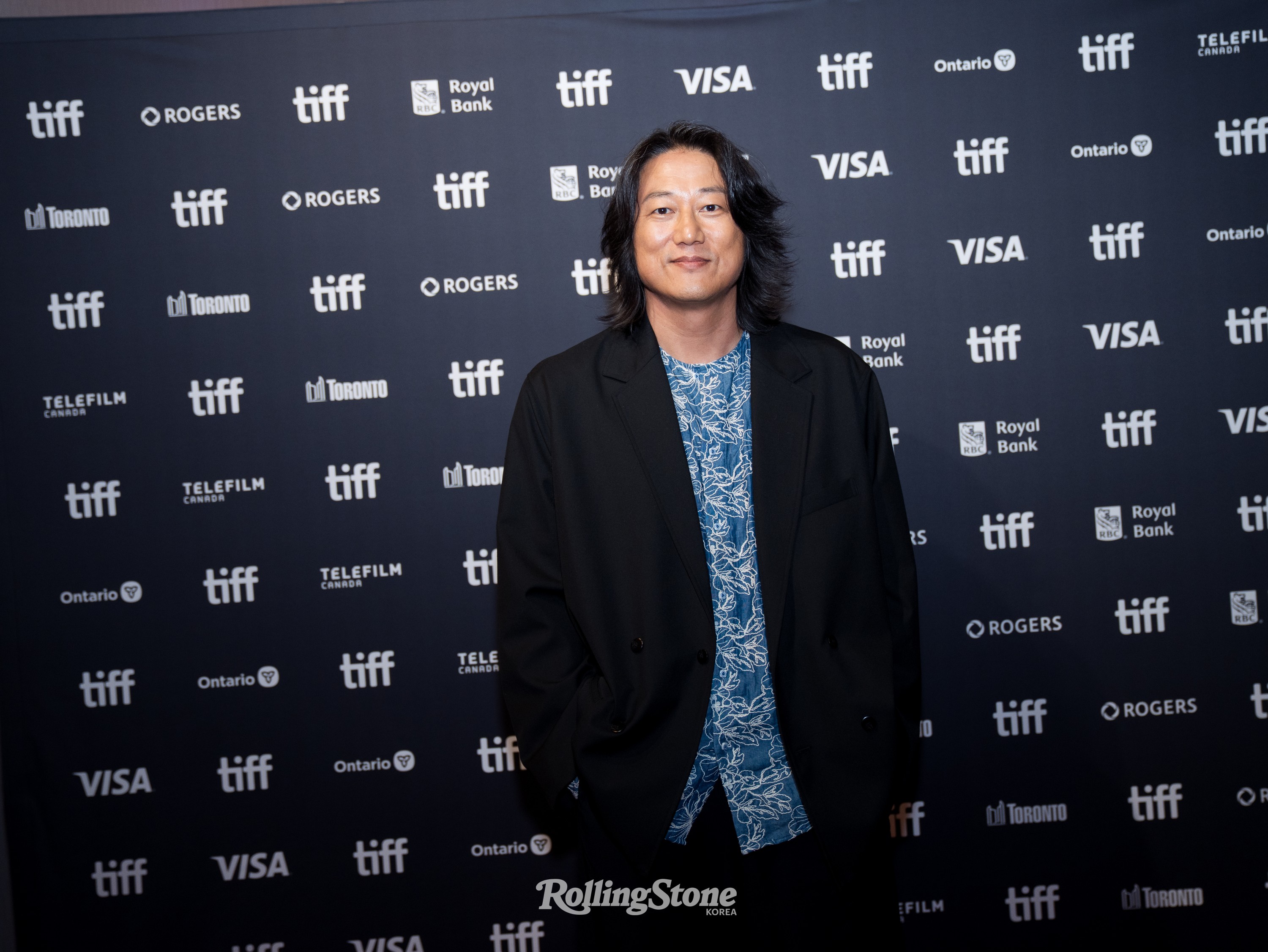
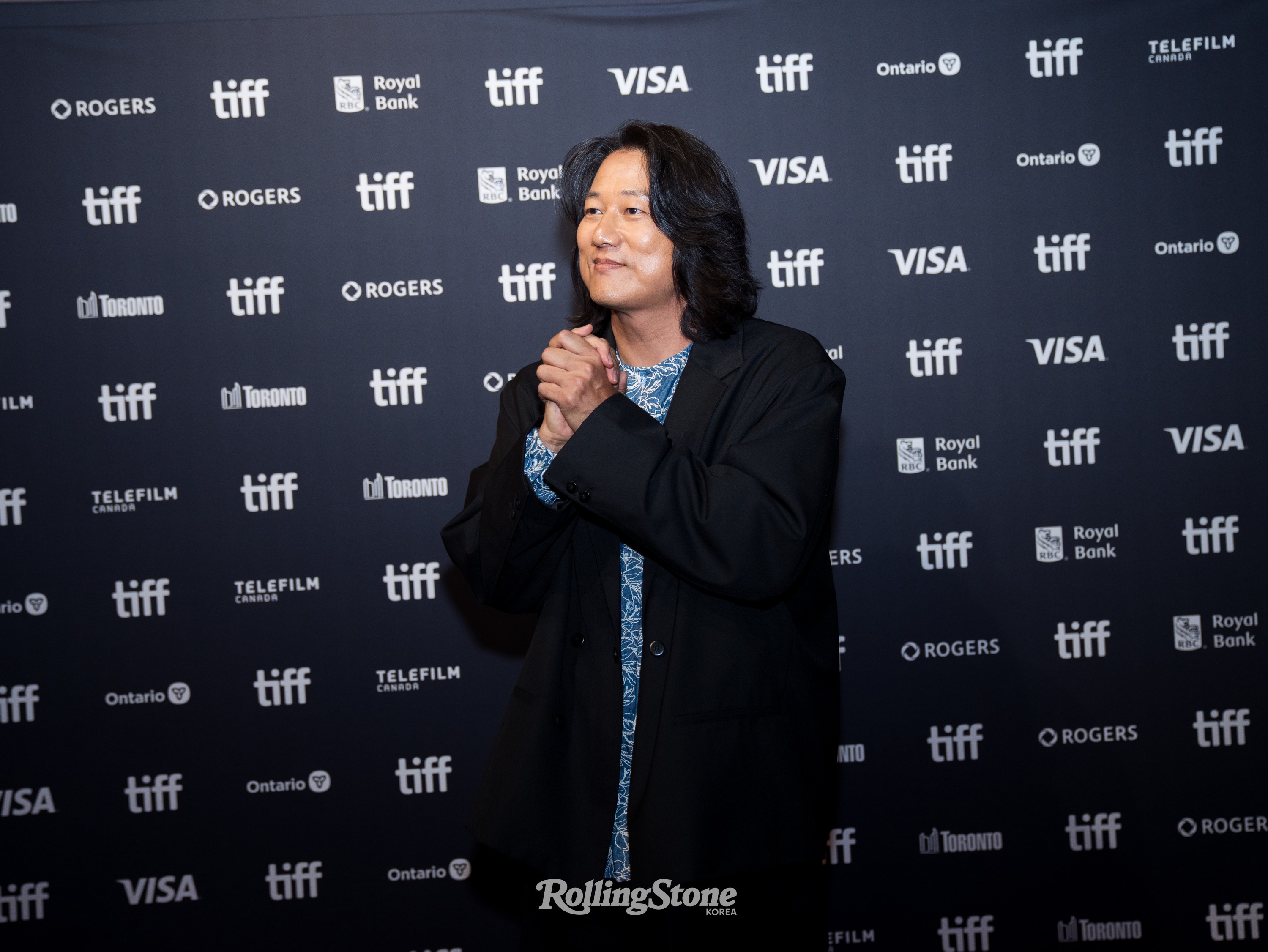
성강은 키가 크다. 길고 숱 많은 머리카락은 여전히 어깨 아래까지 내려온다. 오랜 세월이 흘렀지만, 어쩐지 그는 거의 나이를 먹지 않은 듯하다.
그가 몸을 앞으로 기울이자 은은한 향수 향이 스친다. 카메라가 돌아가기 전 마이크를 착용하던 중, 어떤 향수를 쓰는지 물었다. 그는 웃는다. 자신도 모른다고 한다. 아내가 향수를 사주는데, 무엇을 사주든 그대로 사용한다는 것이다.
성강은 몸을 살짝 앞으로 기울이고 어깨의 힘을 자연스럽게 뺀 채 소파에 앉는다. 이따금 한쪽 다리를 소파 위로 올리기도 한다. 그의 몸짓에는 특별히 영화배우다운 구석이 없다. 카메라를 의식해 자세를 잡지도, 공간을 장악하려 애쓰지도 않는다. 오히려 오랜 친구와 만나 밀린 이야기를 나누는 사람처럼 편안하다.
그리고 그가 이야기를 시작한다.
목소리는 조용하다. 예상했던 것보다 훨씬 조용하다. 경계한다기보다는 내면을 향해 있는 듯하다. 마치 나에게 이야기를 들려주는 동시에 자신도 그 의미를 되짚어보는 것 같다. 나도 모르게 목소리를 낮추게 된다.
인터뷰를 시작한 지 약 10분이 지났을 무렵, 촬영감독이 대화를 잠시 중단시킨다. 성강의 목소리가 너무 작아 마이크를 하나 더 가까이 설치해야 한다는 것이다. 마이크를 추가하고 대화를 이어간다.
그 순간은 이후 이어질 대화의 분위기를 결정한다. 카메라 앞에서 무언가를 연기한다는 느낌은 거의 없다. 자세를 고쳐 앉거나 인터뷰를 위한 목소리를 낼 필요도 없다. 우리는 오랫동안 나란히 앉아 이야기를 나눈다. 아무도 그를 찾지 않던 시절, 생계를 유지하기 위해 했던 일들, 모든 것을 그만두고 싶었던 순간들, 어머니와 아내, 그리고 성공한 뒤에도 완전히 지워지지 않은 자신의 모습에 관해서.
수많은 사람이 그를 ’한(Han)’이라는 이름으로 알기 훨씬 전, 성강은 스크린을 바라보며 왜 자신과 닮은 사람이 좀처럼 보이지 않는지 궁금해하던 아시아계 미국인 소년이었다.
Q. 어린 시절 스크린에서 아시아인을 바라보며 어떤 생각을 했나요?
“저는 그 현실을 바꾸는 데 무언가 기여하고 싶었어요. 어린 시절에는 스크린에서 자신과 닮은 사람을 볼 수 있어야 하거든요. 스포츠 영웅이 있다면 코트 위에서도 자신과 같은 사람을 볼 수 있어야 하고요.
당시 이소룡은 전 세계적으로 인정받고 있었어요. 세상이 그를 입체적이고 강인한 남성으로 바라보는 것을 보면서 정말 놀라웠죠. 저도 우리가 어떤 사람들인지에 대한 인식을 바꾸는 데 기여하고 싶었어요.
저는 예술과 관련된 일을 하거나 배우, 할리우드에 대해 아는 가족에서 자라지 않았어요. 그 세계는 다른 사람들의 것이고, 우리는 그저 여기서 살아남기 위해 애쓰는 사람들이라고 생각했죠.”
그 세계로 들어가는 뚜렷한 길은 없었다. 다른 배우들처럼 언젠가 에이전트나 매니저를 만나 업계에서 길을 찾았을 것이라 생각했지만, 성강은 단호하게 아니라고 답한다. 그러고는 스스로를 조금 놀리듯 웃는다.
Q. 처음에는 어떤 방식으로 연기할 기회를 찾아갔나요?
“저는 사실 〈분노의 질주 5〉에 출연하기 전까지 제대로 된 에이전트도 없었어요. 직접 사람들을 만나고, 단편영화를 찍고, 돈을 받지 않고 일하기도 했죠.
뉴욕 스태튼아일랜드에서 영화를 찍은 적이 있는데, 그 영화는 결국 완성되지 못했어요. 그런데 그 영화의 프로듀서가 저스틴 린을 알고 있었고, 당시 저스틴은 첫 영화인 〈베터 럭 투모로우〉를 연출하면서 배우를 찾고 있었어요.
사실 저는 그때 배우 일을 그만두려고 했던 것 같아요. 정말 기회가 없다고 생각했거든요. 계속 같은 자리를 맴돌고 있는 기분이었죠. 그러다 그를 만나 영화를 찍게 됐고, 그때 처음으로 누군가 저를 알아봐 준다는 느낌을 받았어요.
정말 멋진 시기였어요. 미국 전역의 아시아계 미국인 커뮤니티가 그 영화를 응원하기 위해 힘을 모았거든요. 이메일이 막 보급되기 시작하던 시절이었어요. 저희는 미국 전역을 돌며 아시아태평양계 학생 단체들을 만났고, 선댄스영화제에서 영화를 처음 선보였어요. 토론토국제영화제(TIFF)에도 갔죠.
결국 포기하지 않는 것이 중요해요. 무언가를 충분히 강하게 믿는다면, 함께할 공동체와 사람들을 만나게 될 거예요."
하지만 누군가에게 인정받는다는 것이 곧 안정적인 삶을 의미하지는 않았다. 초창기 배우 활동만으로 생계를 유지할 수 있었는지 묻자, 그는 다시 한번 씁쓸한 미소와 함께 단호하게 답한다.
Q. 영화에 출연한 뒤에는 연기만으로 생계를 유지할 수 있었나요?
“전혀요! 전혀 아니었어요. 사람들은 영화에 출연하면 갑자기 부자가 되는 줄 아는데, 그렇지 않아요. 전혀요.
〈도쿄 드리프트〉를 찍은 뒤에도 계속 일해야 했어요. 식당에서도 일했고, 방송국에서 심부름을 하는 일도 했죠. 공항에 가서 방송국에 필요한 테이프를 가져오는 일이었어요. 과외도 하고, 바텐더도 하고, 식당에서 일하기도 했어요.
오디션을 보려면 일정이 유동적이어야 하잖아요. 어디선가 일이 들어오면 모든 걸 내려놓고 바로 갈 수 있어야 하니까요. 그래서 정규직으로 일할 수 없었어요. 그저 살아남기 위해 일하는 거죠.
그런데 지금 돌아보면 정말 아름답고 멋진 시간이었어요. 젊을 때는 많은 것이 필요하지 않거든요. 필요하다고 생각하지만, 사실 그렇게 많은 것이 필요하지 않아요. 꿈과 공동체만 있으면 돼요. 오디션을 보러 갈 수 있도록 저를 한 장소에서 다른 장소까지 데려다줄 차 한 대만 있어도 충분했어요.”
〈도쿄 드리프트〉조차 사람들이 상상하는 확실한 안정감을 가져다주지는 못했다. 성강은 영화 이후 몇 년 동안 작품 활동을 하지 못했다고 말한다.
Q. 〈도쿄 드리프트〉 이후에도 활동을 이어가기 어려웠던 시기가 있었나요?
“〈도쿄 드리프트〉 이후 몇 년 동안 일을 하지 못했어요. 에이전트가 없었으니까요. 여전히 혼란스럽고 길을 잃은 상태였죠.
하지만 저스틴과 〈베터 럭 투모로우〉를 함께 만든 사람들, 그 영화를 만들며 형성된 공동체가 제게 희망을 줬어요. 가끔은 사막을 걷고 있는데 곧 죽을 것만 같은 기분이 들 때가 있어요. 그런데 갑자기 누군가 나타나 물을 건네주는 거예요. 그러면 ‘좋아, 이 정도면 다시 조금 더 나아갈 수 있겠어’라고 생각하게 되죠.”
성강에게도 다른 삶을 상상하던 순간들이 있었다. 법조계일 수도, 금융업계일 수도, 자신의 사업을 시작하는 삶일 수도 있었다. 배우라는 직업이 보장하지 못하는 안정을 얻을 수 있을 만한 일들이었다. 하지만 그 어떤 삶도 자신의 것처럼 느껴지지 않았다.
Q. 배우가 아닌 다른 직업을 선택하는 것도 생각해 봤나요?
“지금 돌아보면, 배우 말고도 행복하게 할 수 있는 일이 있었으면 좋겠다고 생각하곤 했어요. 그런 일을 찾아보면서 변호사가 될 수 있을까, 금융업계에서 일할 수 있을까, 내 사업을 시작할 수 있을까 고민했죠.
하지만 그렇게 하면 결국 불행해질 거라는 걸 알고 있었어요. 그렇게 하는 건 아내에게도, 어머니에게도, 제 주변 사람들에게도 불공평한 일이 될 거예요. 제가 가장 좋지 않은 모습의 사람이 되어버릴 테니까요.
제 자신이 어떤 사람이 될지 알 수 있었어요. 그 꿈과 타협한다면 진정한 제 모습은 사라지고 껍데기만 남게 될 거예요.”
꿈꿀 자유를 얻었다는 이야기가 나오자, 대화는 자연스럽게 어머니에게로 돌아간다.
Q. 꿈을 포기하지 않을 수 있었던 데에는 어머니의 영향도 컸던 것 같습니다.
“그때도, 지금도 미국에서 살아간다는 것의 아름다운 점은 꿈을 꿀 기회가 있다는 거예요. 저는 그 기회를 주신 어머니께 감사해요.
어머니는 정말 많은 것을 희생하셨어요. 화장실을 청소하고, 가사도우미로 일하고, 작은 사업을 운영하기도 하셨죠. 한국인 이민자로서 고생하면서 제가 아메리칸드림을 꿈꿀 수 있도록 해주셨어요. 그래서 스스로에게 말했어요. 포기할 수 없다고. 지금 포기할 수는 없다고요.
그리고 제게는 훌륭한 스승도 있었어요. 그분은 성공을 보장할 수는 없지만, 삶에서 충만함을 느끼게 될 것만큼은 보장할 수 있다고 늘 일깨워주셨죠. 그것에 어떤 금전적 가치를 매길 수 있을까요? 사실 가격을 매길 수 없는 일이에요.”
세월이 흐른 뒤에도 불확실성이 완전히 사라진 것은 아니다. 하지만 성강이 그것을 대하는 방식은 달라졌다. 누군가 자신에게 기회를 주기를 기다리는 것과 직접 기회를 만드는 것 중 어느 쪽이 더 어려운지 묻는다. 그는 망설이지 않는다.
Q. 누군가에게 기회를 받기를 기다리는 것과 직접 기회를 만드는 것 중 무엇이 더 어렵나요?
“연락이 오기를 기다리는 거요.
감독을 시작하기 전에는 제 최악의 모습이 나타나곤 했어요. 절박함과 불안감, 앞날을 알 수 없다는 두려움 때문이죠. 아무것도 통제할 수 없어요. 전혀요.
하지만 창작자이자 영화감독이 되면 스스로 통제할 수 있어요. 직접 글을 쓸 수 있고, 어떤 규모로든 작품을 제작할 수 있죠. 돈이 많지 않다면 아이폰으로 찍어도 돼요. 자신의 이야기를 할 수 있으니까요. 지금은 소셜미디어도 있고 유튜브도 있잖아요. 직접 배급할 수 있기 때문에 독립영화 제작자들에게는 정말 좋은 시기예요. 흥미로운 시대죠.
토론토국제영화제 같은 곳에 오면 비즈니스적인 측면이 있고, 그게 두렵고 부담스럽게 느껴질 때도 있어요. 하지만 그럴 때마다 한 걸음 물러서서 생각하죠. 제게는 여전히 공동체가 있다고요.
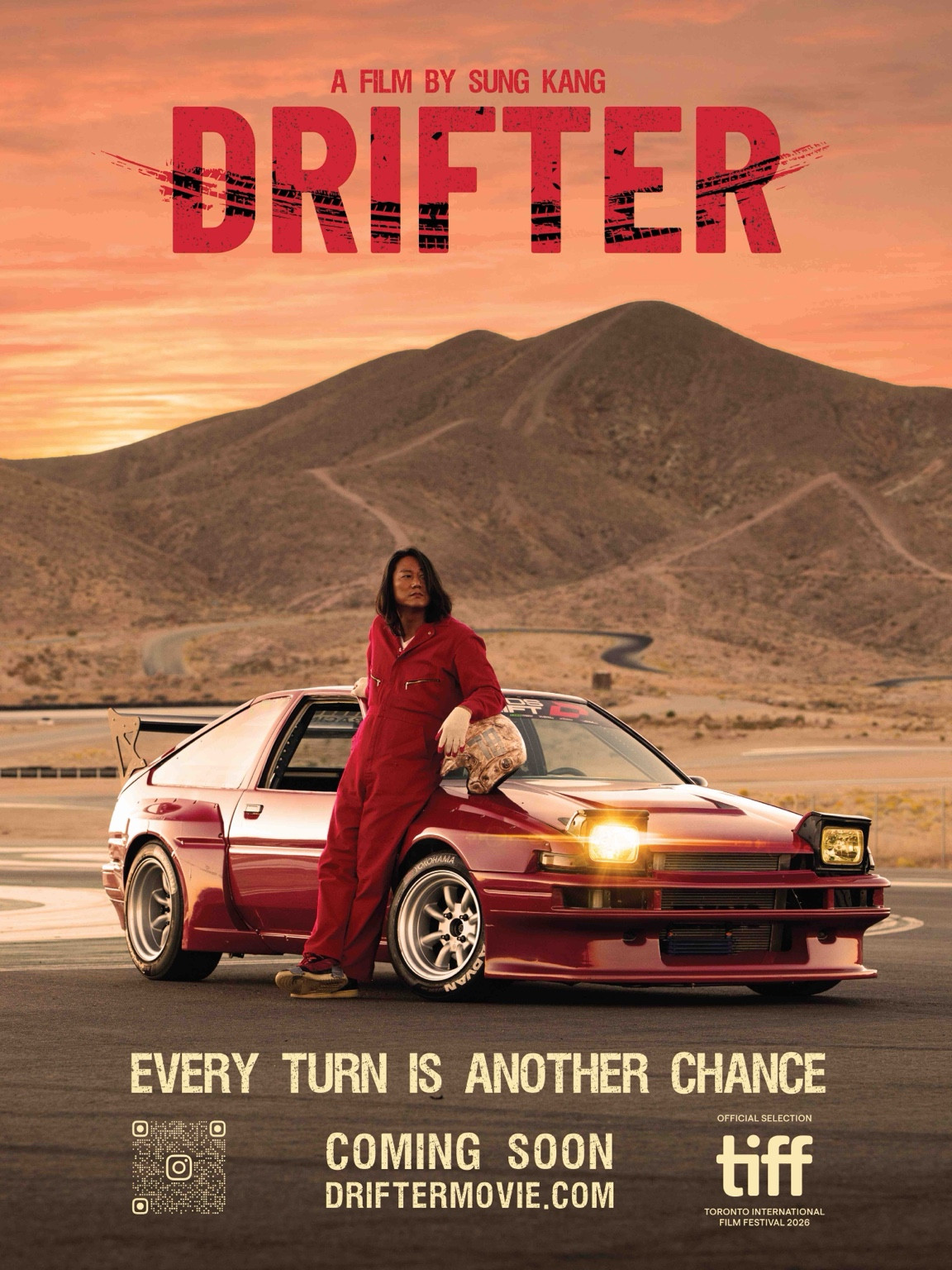
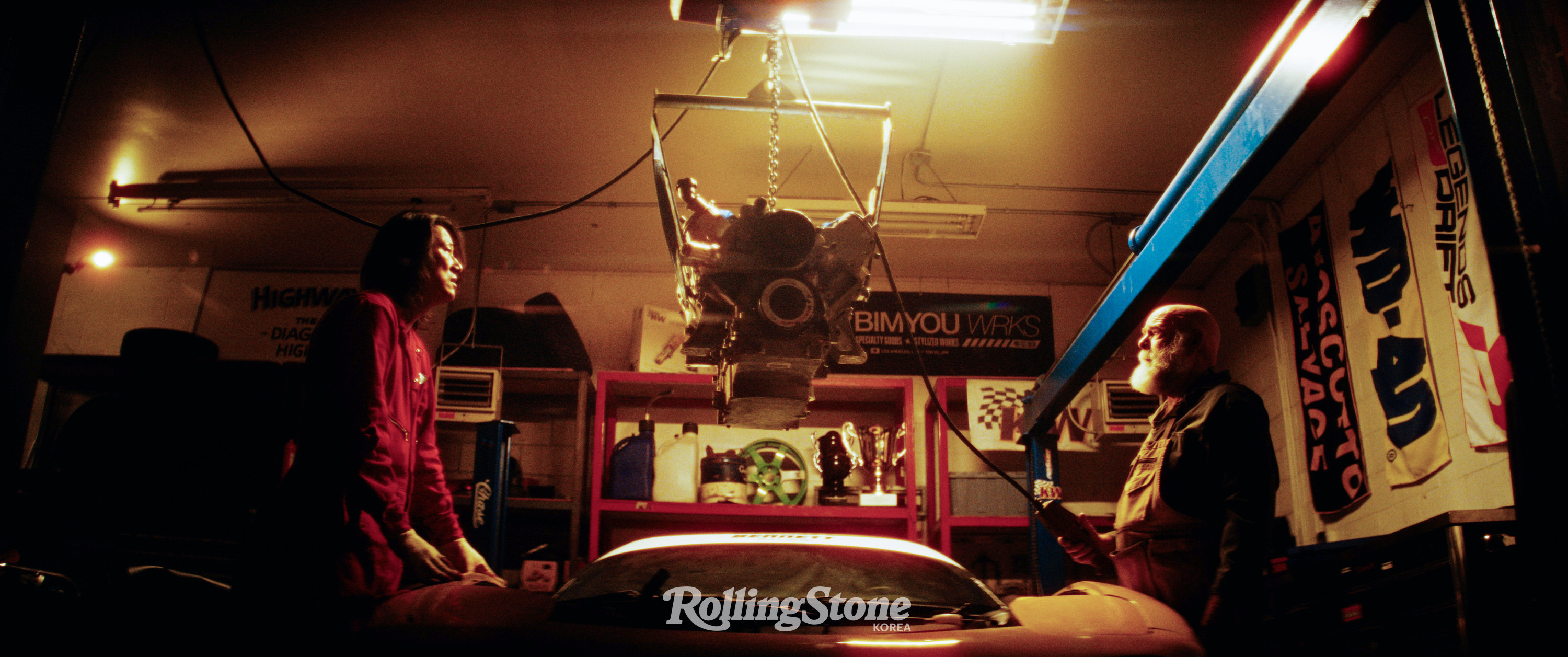
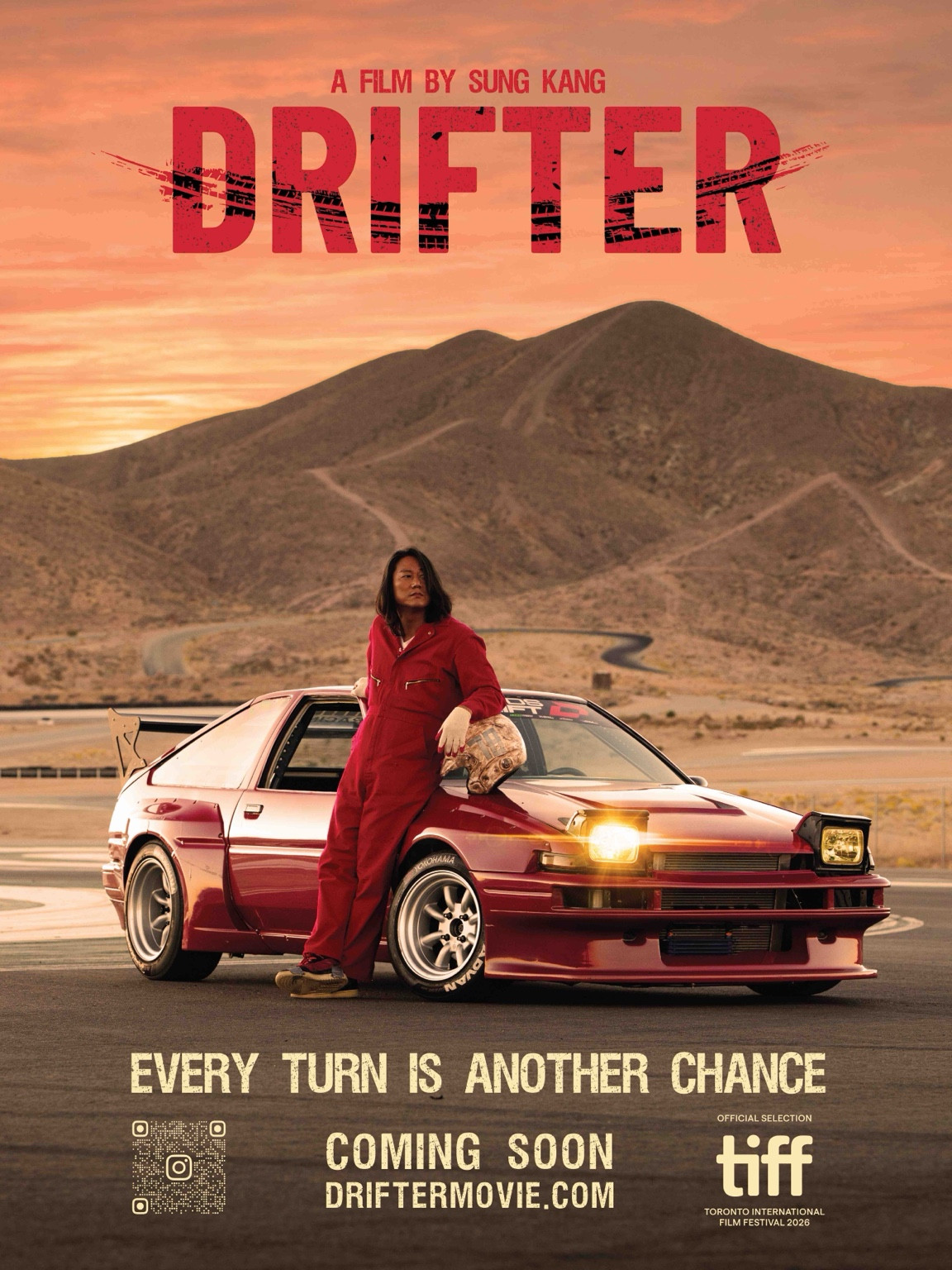
지난 20년 동안 저와 함께하며 응원하고 지지해 준 관객들이 있어요. 이번 영화는 그들을 향한 러브레터예요. 자동차를 좋아하는 사람들뿐 아니라 그 밖의 사람들에게도 닿았으면 좋겠어요. 단순히 자동차에 관한 영화가 아니거든요. 인간적인 감정과 약자의 도전이 담긴 언더독 스토리예요.
그래서 저는 그저 앉아서 기다리고 싶지 않아요. 그렇게 있으면 제 안에서 무언가 죽어가는 기분이 들거든요.”
그의 신작에서 이러한 감정의 진실은 관객들이 예상할 법한 자동차보다 훨씬 조용한 무언가에 담겨 있다. 바로 한국의 음식인 떡국 한 그릇이다. 성강에게 음식은 기억과 분리할 수 없는 것이며, 어머니와도 깊이 연결되어 있다.
Q. 신작에서 떡국을 통해 전하고 싶었던 감정은 무엇이었나요?
“저는 사실 떡국을 통해 그 감정을 표현했어요.
사람들이 어머니와 연결되어 있다고 느끼는 순간이나 어머니에 대한 기억을 떠올려보면, 어머니가 해주시던 음식이 있잖아요. 저희 어머니가 제게 해주실 수 있었던 것도 사실 그것뿐이었어요. 장난감이나 비싼 물건을 사주실 수는 없었지만, 집에서 만든 음식은 해주실 수 있었죠.
사실 음식이 별로 맛있지 않을 때도 많았어요. 하지만 어머니는 최선을 다하셨어요. 거기에 마음을 담으셨죠.
한국 문화에서 떡국은 가족이 함께하는 날을 상징해요. 새해에 먹는 음식이죠. 한국의 추수감사절 같은 가족 명절을 떠올리면 될 것 같아요. 함께 떡국을 먹으면서 한 해의 건강과 번영을 기원하죠.
그런데 혼자 떡국을 먹는 모습을 상상해 보세요.”
성강은 이 장면이 영화에서 가장 촬영하기 어려웠던 장면 중 하나였다고 말한다.
Q. 그 장면을 촬영하면서 특별히 기억에 남는 순간이 있나요?
“정말 힘들었지만 동시에 아름다운 작업이었어요. 영화에서 어머니 역을 맡은 줄리 리(Jully Lee)는 제 배우 생활을 통틀어 만난 배우 중 가장 훌륭한 사람 중 한 명이에요. 인간적으로도 정말 아름다운 사람이죠. 제가 그 캐릭터가 어떤 인물인지 설명했을 때, 그는 그 인물을 온전히 자신의 것으로 만들었어요. 그리고 정말 깊고 진실한 감정을 불어넣었죠.
기억하기로는 많은 사람이 어머니에 관한 그 장면이 무엇을 의미하는지 이해하지 못했던 것 같아요. 대본으로는 그 장면 전체에 어떤 감정이 흐르는지 설명할 수 있어요. 하지만 실제로 촬영할 때는 달랐어요. 모니터 뒤에서 지켜보던 스태프들이 얼마나 큰 영향을 받는지 볼 수 있었죠. 메이크업팀과 의상팀 사람들도 캐릭터와 함께 울고 있었어요.
저는 현실에 뿌리내린 진실한 감정으로 영화를 시작하고 싶었어요. 사람들은 자동차가 등장하고 제가 출연한다는 이유로 이 영화가 어떤 작품일지 선입견을 갖고 보러 올 수도 있거든요. 하지만 이 영화는 그런 작품이 아니에요.”
오래전 성강이 할리우드에서 자신의 위치를 설명하며 했던 말이 내게 오래도록 남아 있다.
“저는 메인 테이블에 초대받지 못해요. 주방에 있거나 아이들 테이블에 앉아 있는 사람이죠.”
이번에 다시 테이블에 관한 이야기를 나눌 때는 무언가 달라진 느낌이다. 이제 그 비유에는 예전만큼의 상처가 느껴지지 않는다. 어쩌면 약간의 자유로움마저 담겨 있다.
Q. 과거 할리우드의 ‘메인 테이블’에 초대받지 못한다고 표현한 적이 있습니다. 지금은 그 테이블을 어떻게 바라보고 있나요?
“이 과정을 거치면서 깨달았어요. 그 테이블에 초대받지 못해도 괜찮다는 걸요. 어쩌면 그들이 준비한 저녁 식사가 제가 먹을 수 없는 음식일 수도 있잖아요. 알레르기가 있는 음식일 수도 있고요. 모든 테이블에 속할 필요는 없어요.
하지만 자신만의 테이블을 만드는 건 중요해요.
메인 테이블에 초대받지 못하는 기분이 어떤 것인지 알기 때문에, 함께 모인 사람들에게 공감할 수 있어요. 그러다 보면 어느새 자신만의 공동체가 생기는 거죠. 모두가 서로를 이해하는 사람들이에요.
그러면 ‘우리가 이제 다른 사람들도 함께하고 싶어 하는 새로운 테이블을 만들었구나’ 하고 깨닫게 돼요. 그때 기억해야 할 것이 있어요. 그 테이블을 닫아버리지 말아야 한다는 거예요. 누군가를 위한 자리를 언제나 하나쯤 남겨두어야 해요.
그래서 스스로 기회를 만들다 보면, 결국 삶에서도 자연스럽게 자신만의 테이블이 만들어지는 것 같아요.”
마침내 카메라가 꺼진다. 하지만 마지막으로 꼭 묻고 싶은 질문이 하나 더 있다.
Q. 지금까지 어떻게 자신을 잃지 않고 살아올 수 있었나요?
성강은 인터뷰 초반 향수에 관해 물었을 때처럼 다시 웃는다. 그는 질문의 전제 자체를 그다지 납득하지 못하는 듯하다. 특별히 자신을 붙잡아둘 이유가 없다는 것이다. 자신은 그저 평범한 사람이며, 특별히 대단한 점도 없다고 말한다.
진부한 이야기처럼 들릴 수 있다는 것을 알면서도 그에게 말한다.
그는 자신을 특별한 사람이라고 생각하지 않을지 모른다. 하지만 그를 보며 자란 여러 세대의 아시아인들에게 성강은 영웅이었다. 스크린에 등장하는 그의 모습을 보며 우리가 자부심을 느낄 수 있었던 사람이었다.
그 말은 진심이었다.
한 시간 전, 내 옆에 앉았던 사람은 〈분노의 질주〉의 ‘한’이었다. 하지만 카메라가 꺼졌을 때 내가 본 사람은 훨씬 더 소박한 누군가였다.
그저 성강, 그 자신이었다.
Photography — Joanna Roselli
From Han in Fast & Furious to Filmmaker: Sung Kang Is Creating a Space of His Own
Sung Kang is tall, his long, thick hair still falling past his shoulders. Somehow, after all these years, he barely seems to have aged.
There is a faint scent of cologne when he leans forward. As we’re getting mic’d up before the cameras start rolling, I ask him what he’s wearing. He laughs. He has no idea. His wife buys his cologne, he tells me. Whatever she gets him, he puts on.
Kang settles into the couch with his body leaning slightly forward, his shoulders naturally dropped. Every now and then, he pulls one leg up onto the couch. There is nothing particularly movie-star-like about the way he carries himself. No posture for the camera, no effort to occupy the room. If anything, he has the ease of someone catching up with an old friend.
And then he starts talking.
His voice is quiet, much quieter than I expected. Not guarded, exactly, but inward, as though some of the things he is saying are being worked out with himself as much as they are being shared with me. Without realizing it, I begin speaking more softly, too.
About ten minutes into the interview, our videographer interrupts us. Kang is speaking so quietly that we need another microphone closer to him. We add one and keep going.
It sets the tone for the rest of our conversation. There is little sense of performing for a camera. No need to sit up straighter or slip into an interview voice. For a long while, we simply sit next to each other and talk, about the years when nobody was calling, the jobs he worked to stay afloat, the times he thought about walking away, his mother, his wife, and the parts of himself that success never entirely erased.
Long before millions of people knew him as Han, Kang was an Asian American kid looking at a screen and wondering why he rarely saw anyone who looked like him.
Q. Growing up, how did the lack of Asian representation on screen shape your desire to become an actor?
“I felt like I wanted to do something about this. And as a kid, you need to see yourself on screen. You need to see, if you have sports heroes, you have to see yourself on court. And at that time, Bruce Lee was accepted by the world, and I was like, wow, the world sees him as a three-dimensional, strong man. I was like, that’s something that I would love to contribute to, change these notions of who we are.
I didn’t come from a family that was artistic or knew anything about being an actor or Hollywood. It was really like, that’s for those people, and we’re just surviving here.”
There was no obvious way in. When I assume that, like most actors, he must have eventually found an agent or manager to help him navigate the industry, Kang answers with a big, unequivocal no, and a slightly self-deprecating laugh.
Q. Without an agent or manager early in your career, how did you find your way into the industry?
“I didn’t even have representation, really, an agent until Fast & Furious 5. You go out and you meet people. You do short films. You do work for free. I did a film in New York, in Staten Island, and the film never got finished. And the producer actually knew Justin Lin, and he was directing his first film, Better Luck Tomorrow. And Justin was looking for actors.
I think I’m about to quit, actually, because I don’t think there’s really any opportunities. And I just felt like I was running around in circles, you know. And I got to meet him. I got to do that movie, and it was the first time I felt like I was seen.
And it was a wonderful time because the Asian American community really rallied together throughout America to support that film. Emails were first coming out, so we did this tour all across America, spoke to every Asian Pacific student organization, and we premiered at Sundance. We even came to TIFF.
So it was just, you know, it’s just never quitting. And then if you believe in it strong enough, you will meet a community, and you will meet people.”
Being seen, however, did not mean suddenly being secure. When I ask whether he was able to support himself financially through acting in those early years, I get another rueful smile and another emphatic answer.
Q. Were you able to support yourself financially through acting in those early years?
“No way! No way. I think people have this misconception that you’re in a movie and all of a sudden you’re wealthy. No, no, no, no.
Even after I did Tokyo Drift, I still had to work. I was working at a restaurant. Like, a courier for a news station. I would go to the airport and pick up tapes for them, and then I was a tutor, a bartender, worked at a restaurant.
And because you have to have a flexible schedule so you can go on auditions, and if there’s a job somewhere, you gotta just be able to drop everything and go. So I could never take a full-time job. You’re just surviving.
But when I look back on it, I’m like, what a beautiful, wonderful time. Because you’re young, you don’t need much. You think you do, but you actually don’t need much. You just need a dream, and you need a community. And if I have a car that can just kind of get me from A to B to the auditions, that’s pretty much enough.”
Even Tokyo Drift did not bring the certainty one might imagine. After the film, Kang says, there were years when he didn’t work at all.
Q. What kept you going during the years when acting opportunities were scarce, even after Tokyo Drift?
“After Tokyo Drift, I didn’t work for years, because I didn’t have an agent. So I was still out there just kind of, like, confused and lost.
But the community that I made the film with, with Justin and the people I made Better Luck Tomorrow with, they gave me hope. Sometimes it’s like you’re walking in this desert, and you feel like you’re about to die, and all of a sudden you meet someone and they give you some water, and you’re like, okay, this is enough for me to just keep going until then.”
There were times when Kang tried to imagine another life. Maybe law. Maybe finance. Maybe his own business. Anything that might offer the stability acting couldn’t. None of those imagined lives felt like his.
Q. Did you ever seriously consider pursuing a different career?
“Now I reflect on it, when I would ask myself, I wish there was something else I could do and be happy doing, outside of acting. And I would look for those things, and I wonder if I could be a lawyer, or I could go work in finance, or open my own business.
And I knew that I would just be unhappy. And also, if I did that, it would be unfair to my wife. It would be unfair to my mother. It would be unfair to all the people around me, because it would be the worst version of myself.
Because I could see what I would become. I would become a shell of who I am, because I compromised this dream.”
When Kang talks about having been given the freedom to dream, the conversation inevitably returns to his mother.
Q. How did your mother’s sacrifices influence your decision to keep pursuing your dream?
“And the beauty of living in America at that time, and even now, is that, I thank my mother for this, she gave me the opportunity to dream.
She sacrificed so much. She cleaned toilets, and was a housekeeper, and opened small businesses and suffered as a Korean immigrant to allow me to have the American dream. And so I said to myself, I can’t quit. I can’t quit now.
And again, I had a wonderful teacher who would remind me that I can’t guarantee you success, but I can guarantee that you would be fulfilled. And what’s the dollar value to that? You can’t really place one on that.”
Years later, the uncertainty hasn’t disappeared completely. But Kang’s relationship to it has changed.
I ask him which is harder: waiting for someone to give you an opportunity, or creating one yourself. He doesn’t hesitate.
Q. Which is harder: waiting for someone to give you an opportunity, or creating one yourself?
“Waiting for the call.
Before I started directing, the worst version of myself would be there. Because there’s a feeling of desperation, insecurity, the unknown. You have no control. Zero control. And as a creator, as a filmmaker, you have the control. You can write it. You can produce it on any scale. If you don’t have much money, you shoot it on an iPhone. You can tell your story. And now we have social media, we have YouTube. It’s a great time to be an independent filmmaker because there’s self-distribution, and it’s exciting.
When you come to a festival like TIFF, there’s the business part of it, and it gets scary, it gets daunting, but then I always step back and I’m like, well, you know, I still have my community. There’s an audience and support over the past 20 years that have been with me, and this film is a love letter to that. And I hope it can connect with people outside of the car community, because it’s not just about cars. It’s a human, emotional underdog story.
So it’s like I never want to just sit around and wait. I feel like I’m dying inside.”
In his new film, some of that emotional truth appears in something far quieter than the cars audiences might expect: a bowl of tteokguk, Korean rice cake soup. For Kang, food is inseparable from memory, and from his mother.
Q. What inspired you to use tteokguk as a way to express that emotional connection in your new film?
“I do it actually through the tteokguk, the rice cake soup. You know, people’s connections or their memories of their mothers, what they would cook for them. And that’s all my mom could really offer me. She couldn’t offer me toys or expensive things, but she could offer me home-cooked food. Oftentimes it wasn’t even that good, but she tried her best. She put her heart into it.
And tteokguk represents, in Korean culture, a shared family day. It’s for New Year’s, like Korean Thanksgiving, if you will. And you eat it together to represent health and prosperity for the year.
And imagine eating tteokguk alone.”
That scene, Kang says, became one of the hardest in the film for him to shoot.
Q. What made that scene particularly challenging to film?
“It was so hard, but so beautiful because Jully Lee, who plays the mother in the film, she’s one of the most amazing actresses I’ve ever met in my career. And she’s just a beautiful human being. And when I shared with her what this character is, she embodied it, and she brought so, so much emotional truth to it.
I remember, I think a lot of people didn’t understand, like, what is this scene about the mother? And you can try to explain in the script, okay, there’s this emotion throughout it. But when the crew were watching and we were shooting that, you could see people really affected behind the monitor. The makeup and the wardrobe, they’re crying with the character.
And to me, it’s the way to start the movie with a grounded emotional truth, because I think people will walk in with this kind of preconceived notion of what the movie is because it has cars and stuff, and I’m in it. But, you know, it’s not that film.
Years ago, Kang once described his place in Hollywood in a way that stayed with me: “I’m not invited to the main table. I’m in the kitchen or I’m at the kids’ table.”
This time, when we talk about the table again, something feels different. There is less hurt in the metaphor now. Maybe even a little freedom.
Q. You once described not being invited to the main table in Hollywood. How has your perspective on that changed over the years?
“I’ve learned through this process that it’s okay not to be invited to the table. It’s okay, because perhaps that dinner that they’re making is something that I can’t even eat. Or I’m allergic to that stuff, right? And it’s okay not to belong to every table.
But it is important to create your own table.
And because you know what it feels like not to be invited to that main table, and the folks that you congregate with, you have empathy. And all of a sudden, it’s your tribe. Everyone understands each other.
So then you’re like, ‘Oh, we’ve created now the new table that other people want to belong to.’ And you remember that, hey, don’t close that table off. Make sure there’s always an extra seat for someone.
So yeah, I think that when you create your own opportunities, that just naturally starts to manifest in your own table in life.”
Eventually, the cameras turn off. But there is one more thing I want to ask him.
Q. What keeps you grounded?
Kang laughs again, much like he did when I asked about his cologne earlier. He doesn’t seem entirely convinced by the premise of the question. There isn’t much to keep grounded, he tells me. He’s just a regular person. He doesn’t think there’s anything particularly extraordinary about him.
I tell him that, even as I say it, I know it risks sounding like a cliché.
Maybe he doesn’t think he’s anything special. But to generations of Asians who grew up watching him, he was a hero. He was someone we were proud to see up there.
And I meant it.
An hour earlier, Han from Fast & Furious had sat down beside me. By the time the cameras were off, what I saw was something much simpler — just Sung.
BY PROVIDING YOUR INFORMATION, YOU AGREE TO OUR TERMS OF USE AND OUR PRIVACY POLICY. WE USE VENDORS THAT MAY ALSO PROCESS YOUR INFORMATION TO HELP PROVIDE OUR SERVICES.