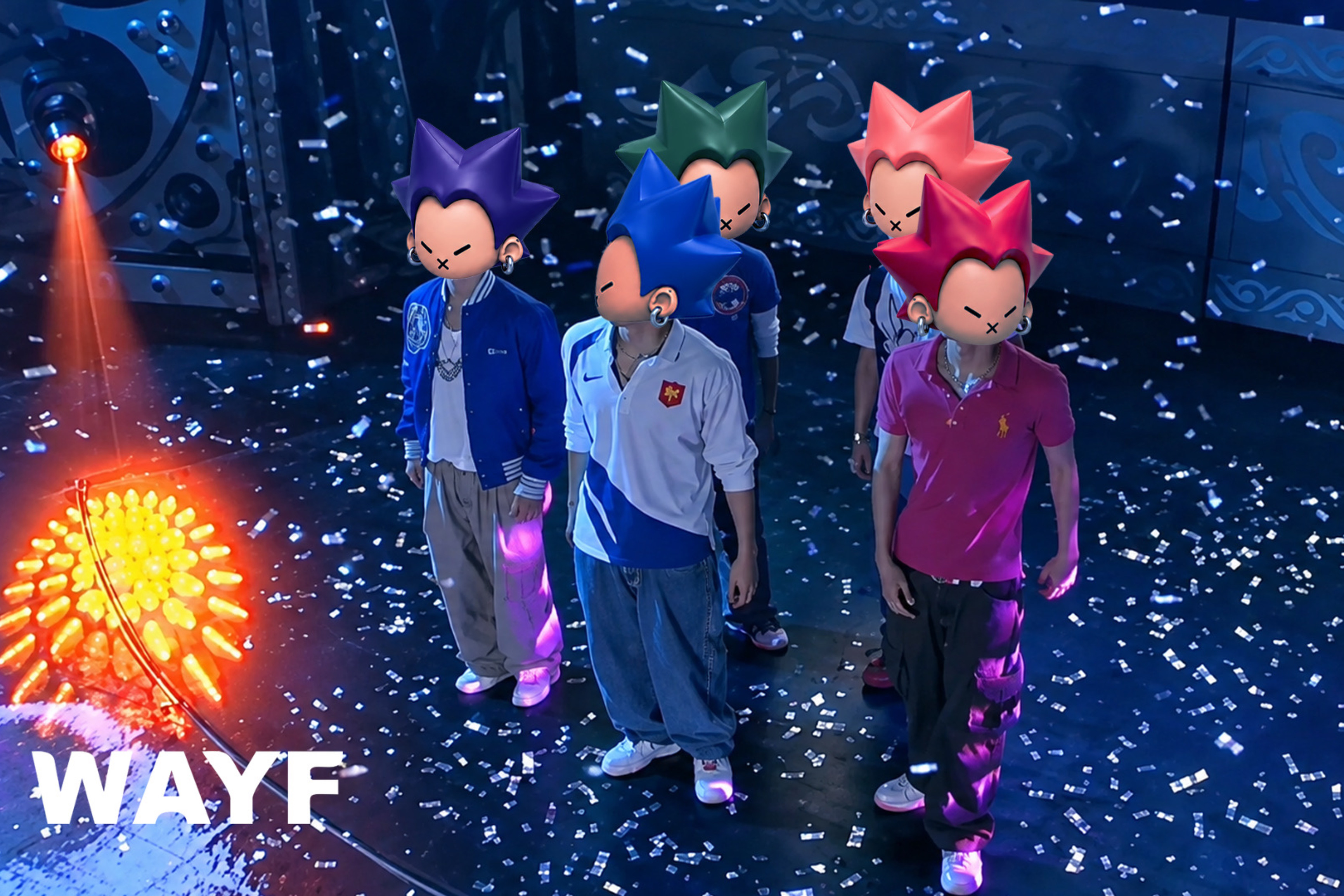
BE:FIRST에게 언제부터 세계가 손에 닿을 듯 가까워졌는지를 묻자, SOTA는 로스앤젤레스도, 최근 오른 해외 무대도 이야기하지 않았다.
일본을 떠나 수천 마일 떨어진 로즈볼에서 선보인 ‘Head In The Clouds’ 무대도, 처음으로 진행한 월드 투어도 아니었다. SOTA가 떠올린 것은 그보다 약 3년 전이었다. BE:FIRST가 2023년 ‘Mainstream’을 만들던 무렵, 멤버들은 음악 제작 과정에 보다 깊게 관여하기 시작했다. 그리고 자신들이 만들어갈 음악에 대해 새로운 질문을 던지기 시작했다.
“글로벌 리스너를 위해 BE:FIRST는 어떤 음악을 만들어야 할까?”
그리고 곧 더 중요한 질문이 뒤따랐다.
“글로벌한 관점에서 바라봤을 때, 오직 BE:FIRST만이 가질 수 있는 음악적 정체성은 무엇일까?”
데뷔 5년 차. BE:FIRST는 여전히 그 답을 찾아가고 있다.
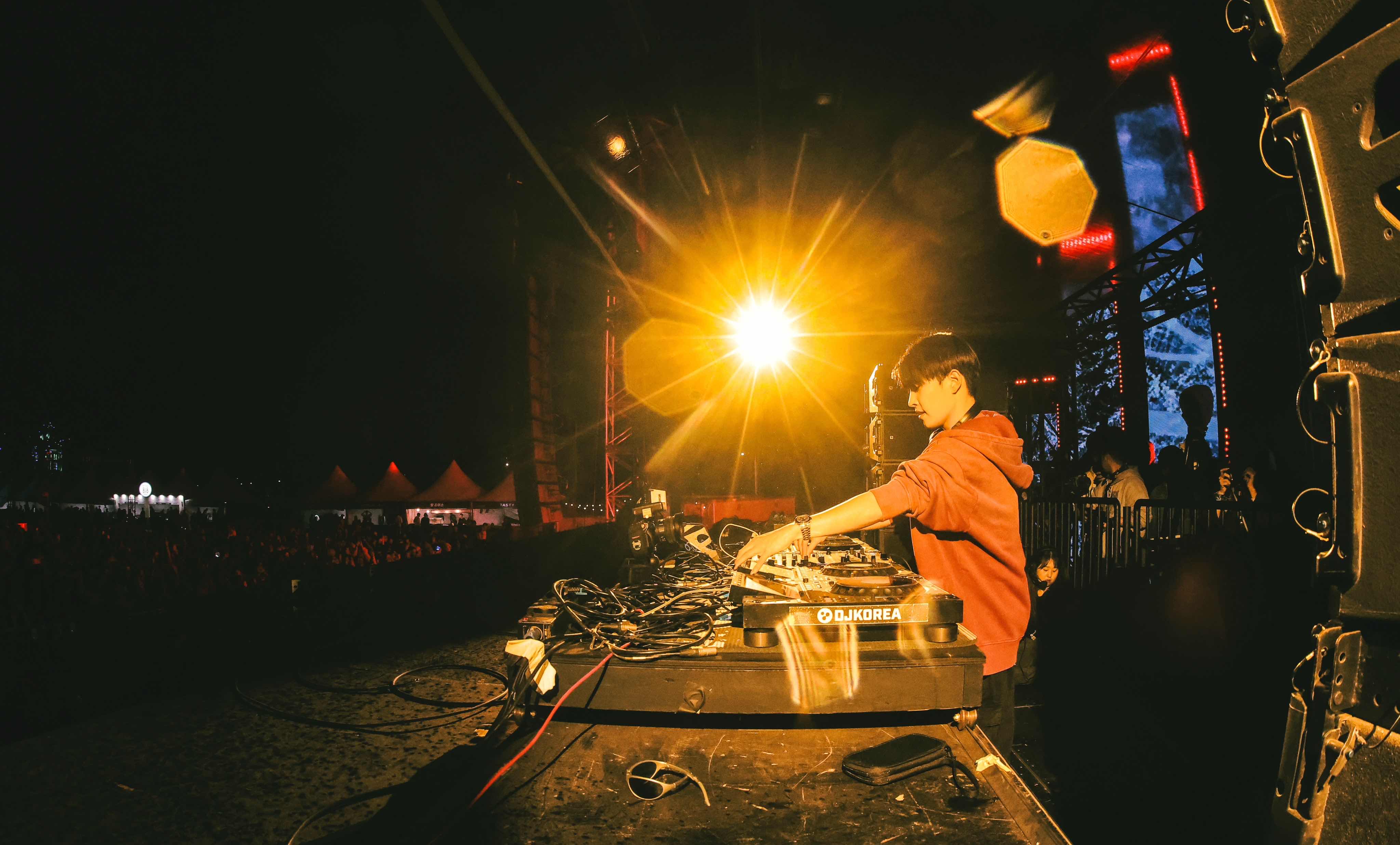
최근 그룹은 일본 최대 규모 음악 페스티벌 중 하나인 Summer Sonic 무대에 올랐다. ZOZO Marine Stadium에서 이들은 첫 글로벌 EP 〈WATCH ME〉의 시작을 알린 ‘BRUCE WAYNE’으로 무대를 열었다.
일본에서 공연하고 있지만, LA에서 만든 곡으로 무대를 시작하는 장면. 지금의 BE:FIRST가 어디에 서 있는지를 보여주는 상징적인 순간이었다.
“세계는 처음부터 우리의 머릿속에 있었다”
BE:FIRST는 2021년 일본 래퍼이자 프로듀서 SKY-HI가 설립한 BMSG의 오디션 프로젝트 〈THE FIRST〉를 통해 탄생했다.
처음부터 목표는 단순한 ‘완성형 아이돌’을 만드는 것이 아니었다. 노래와 춤을 넘어 언젠가는 자신의 음악을 직접 만들어갈 수 있는 아티스트, 그리고 일본을 기반으로 세계를 바라볼 수 있는 그룹이었다.
SHUNTO: “첫해부터 세계는 항상 저희 머릿속에 있었어요. 다만 그걸 정말 구체적으로 행동으로 옮기기 시작한 건 최근 몇 년인 것 같아요.”
각 멤버가 BE:FIRST에 도달한 과정도 서로 달랐다. SOTA는 그룹 합류 전부터 국제 무대에서 활동한 댄서이자 안무가였고, SHUNTO는 독특하고 허스키한 보컬을 가지고 있었다. MANATO는 오랜 기간 노래와 춤을 연습하며 점차 작곡에도 깊게 참여하게 됐다.
반대로 JUNON은 일부 멤버들과 비교하면 전문적인 댄스 트레이닝 경험이 많지 않은 상태에서 오디션에 참가했다. LEO는 특유의 따뜻함과 표현력으로 팀의 정서적 중심을 맡았고, 막내 RYUHEI는 BE:FIRST가 데뷔했을 당시 불과 14세였다. 서로 다른 여섯 사람이었기에 오히려 BE:FIRST는 기존 보이그룹의 공식을 조금씩 벗어나기 시작했다.
SOTA: “처음에는 저희 역시 ‘보이그룹은 이런 모습이어야 한다’는 어느 정도 정형화된 이미지가 있었던 것 같아요.”
하지만 2021년 11월 ‘Gifted.’로 데뷔한 이후, 멤버들은 누군가가 만든 비전을 표현하는 퍼포머에서 점차 자신들의 음악을 직접 설계하는 아티스트로 변화했다.
그 전환점 중 하나가 ‘Mainstream’이었다. Billboard Japan Hot 100 정상에 오른 이 곡은 BE:FIRST가 일본에서 입지를 넓혀가는 과정의 중요한 기록이었지만, 멤버들에게는 또 다른 의미도 있었다. 자신들이 어떤 음악을 하고 싶은지, 그리고 BE:FIRST가 어떤 그룹이 되어야 하는지에 대해 훨씬 적극적으로 의견을 내기 시작한 시점이었기 때문이다.
“일본에서 해온 모든 것이 해외로 가기 위한 준비이기도 했다”
BE:FIRST는 이미 일본에서 충분히 큰 팬덤을 확보하고 있다.
때문에 이들의 글로벌 행보는 새로운 관객을 찾아 일본을 떠나는 것과는 조금 다르다. 오히려 질문은 ‘지금까지 사랑받아온 이유를 잃지 않은 채 얼마나 멀리 갈 수 있는가’에 가깝다.
JUNON: “지금까지 일본에서 해온 모든 것 역시 해외로 나가기 위한 준비의 일부였다고 생각해요.”
SOTA 역시 지금까지 BE:FIRST가 쌓아온 가장 중요한 자산 중 하나로 ‘자유’를 꼽는다.
SOTA: “저희는 정말 하고 싶은 걸 하면서 활동할 수 있었어요. 누구보다 즐겁게 활동하고 있다고 자신 있게 말할 수 있는 커리어를 만들어왔다고 생각해요.”
“그런 자유로움 자체가 BE:FIRST만의 보이밴드 문화를 만들어온 것 같아요.”
그 자유는 이제 첫 글로벌 EP 〈WATCH ME〉를 통해 일본 밖으로 이동한다.
LA에서 찾은 새로운 창작 방식
〈WATCH ME〉를 위해 BE:FIRST는 여러 방식으로 곡을 모았다.
MANATO가 SKY-HI와 LA에서 공동 작업한 곡이 있었고, 다른 멤버들이 일본에서 송라이팅 세션을 통해 만든 곡들도 있었다.
LEO: “그 곡들을 전부 모아서 ‘지금 우리가 어떤 음악을 내야 할까’에 대해 이야기했어요.”
그 질문에 대한 중요한 힌트 중 하나는 LA 송캠프에서 나왔다. 여러 스튜디오가 동시에 돌아갔고 멤버들은 각기 다른 프로듀서와 송라이터 사이를 오가며 곡을 만들었다.
MANATO에게 가장 놀라웠던 것은 속도였다. 일본에서는 트랙을 만든 뒤 멜로디를 붙이고, 가사를 쓰고, 필요한 경우 다른 날 다시 돌아오는 비교적 순차적인 작업에 익숙했다. 하지만 LA에서는 누군가 비트를 만들고 있는 동시에 다른 사람이 가사를 쓰기 시작하고, 또 다른 사람이 멜로디를 만드는 일이 자연스럽게 벌어졌다.
MANATO: “가장 인상적이었던 건 작업 속도였어요.”
하지만 빠른 작업 방식 속에서도 멤버들은 자신들의 정체성을 놓치지 않았다. 미국 힙합에서는 자연스럽게 들릴 수 있는 표현이라도 지금의 BE:FIRST가 직접 부르기에는 맞지 않는다고 느껴지면 가사에서 제외했다. 돈이나 여성과의 관계를 다루는 표현 역시 마찬가지였다.
“이 가사는 지금의 우리와 맞지 않으니까 빼자.”
BE:FIRST가 LA에 간 이유는 미국 힙합의 사운드를 그대로 빌려오기 위해서가 아니었다. 중요한 건 그 음악이 BE:FIRST를 통과했을 때 어떤 모습으로 바뀌는가였다.
‘BRUCE WAYNE’, BE:FIRST가 세계에 건네는 첫인상
그 실험을 가장 선명하게 보여주는 곡이 ‘BRUCE WAYNE’이다.
묵직한 베이스와 어두운 분위기를 중심으로 전개되는 이 곡에는 애틀랜타 프로듀서 ATL Jacob의 음악적 색깔과 BE:FIRST의 감각이 함께 담겼다.
Jacob은 작업 전 BE:FIRST의 공연 영상을 직접 찾아본 뒤, LA에서 만난 멤버들에게 단순하게 말했다.
“You guys are really cool.”
SOTA에게도 특별한 순간이었다. 그는 이번 협업이 성사되기 전부터 ATL Jacob의 음악을 듣고 있었다.
자신이 좋아했던 프로듀서와 실제 스튜디오에서 함께 음악을 만드는 경험은, 자신이 왜 아티스트가 됐는지를 다시 떠올리게 만들었다.
RYUHEI에게 ‘BRUCE WAYNE’은 BE:FIRST가 기존의 음악적 영향에서 잠시 거리를 두고 자신들을 다시 바라보는 기회이기도 했다.
RYUHEI: “BE:FIRST는 K-pop에서 굉장히 많은 영향을 받아왔고 언제나 존중해왔어요. 하지만 이번에는 잠시 거기서 벗어나 다른 관점에서 다시 생각해볼 수 있는 기회이기도 했어요.”
그리고 해외 청자들에게 ‘BRUCE WAYNE’은 BE:FIRST를 처음 만나는 곡이 될 수도 있었다.
RYUHEI: “아직 해외에는 저희 음악을 들어본 적 없는 분들이 정말 많아요. 처음 어떤 방식으로 저희 음악을 접하게 되는지가 정말 중요하다고 생각해요. 첫인상이 중요하니까요.”
하지만 SOTA는 글로벌 시장의 기대보다 먼저 자신들의 기준을 바라봤다.
SOTA: “어디에 있든 저희는 정말 만들고 싶은 음악을 만들고, 정말 표현하고 싶은 걸 표현해요.”
“해외에 간다고 모든 걸 영어로 바꿀 필요는 없다”
힙합과 R&B는 BE:FIRST가 미국 시장을 위해 새롭게 선택한 장르가 아니다. Michael Jackson, Kendrick Lamar, Justin Bieber 등은 멤버들이 성장 과정에서 자연스럽게 접해온 음악적 기반의 일부였다.
RYUHEI는 이러한 글로벌한 영향이 BE:FIRST를 덜 일본적인 그룹으로 만든다고 생각하지 않는다.
RYUHEI: “J-pop만의 특징을 설명하는 건 정말 어렵지만, 개인적으로는 굉장히 폭넓은 음악을 할 수 있다는 것이 장점 중 하나라고 생각해요.”
“일본은 오랫동안 해외의 음악을 좋은 의미에서 받아들이고 영향을 흡수해왔어요. 그것 역시 J-pop을 흥미롭게 만드는 요소라고 생각합니다.”
올여름에는 이러한 음악적 교류를 상징하는 협업도 있었다.
BE:FIRST는 Janet Jackson의 2000년 히트곡 ‘Doesn’t Really Matter’ 리믹스에 참여했고, 해당 곡은 6월 Japan Hot 100 12위에 올랐다. 하지만 해외 시장으로 향하는 과정에서 BE:FIRST가 분명하게 선을 긋는 부분도 있다.
JUNON: “해외에 간다고 해서 갑자기 모든 걸 영어로 바꾼다는 의미는 아니라고 생각해요. 지금까지 만들어온 저희의 특성을 유지하면서 J-pop으로서 저희를 보여주고 싶어요.”
SKY-HI 역시 같은 생각을 공유했다.
LEO: “SKY-HI도 저희와 같은 생각이었어요. ‘우리는 J-pop이니까 일본어도 중요하다’는 입장이었죠.”
BE:FIRST가 변화를 거부한다는 뜻은 아니다. 오히려 〈WATCH ME〉는 지금까지 그 어느 때보다 적극적으로 새로운 사운드와 제작 방식을 실험하는 작품이다. 다만 이들은 세계에 더 쉽게 수출되기 위해 자신들의 모습을 바꾸는 일에는 관심이 없다.
“WATCH ME. 우리를 봐줬으면 한다”
EP의 제목은 그래서 더욱 직접적이다.
WATCH ME. 부탁보다는 명령처럼 들린다. 우리를 봐달라.
LEO는 J-pop 그룹이 미국 시장에 자리 잡는 것이 쉽지 않다는 사실을 잘 알고 있다. 그러나 그 현실이 BE:FIRST의 태도를 조심스럽게 만들지는 않았다.
LEO: “저희가 지금까지 만들어온 것과 해온 일에 굉장한 자신감이 있어요. 그런 의미에서 ‘WATCH ME’라는 말은 정말 지금 저희의 감정을 잘 표현한다고 생각해요.”
하지만 〈WATCH ME〉가 자신감만으로 채워진 작품은 아니다. ‘DEAD EYES EVERYWHERE’가 거친 에너지를 보여준다면, MANATO가 작업에 참여한 ‘PAPER SCARS’는 그 반대편에서 보다 연약한 감정을 드러낸다. SOTA에게 두 모습은 모순되지 않는다.
SOTA: “BE:FIRST가 일본어로 무엇을 노래해야 하는지, 그리고 이런 문화적 영향을 받고 자란 저희 세대가 이 사운드에 무엇을 더할 수 있을지를 계속 생각하고 있어요.”
압박보다 호기심
세계의 시선이 점점 더 BE:FIRST에게 향하는 상황. 그것이 부담스럽지는 않을까. 막내 RYUHEI의 대답은 의외로 간단하다.
“압박보다는 호기심에 가까워요.”
RYUHEI: “우리가 무엇까지 할 수 있는지 계속해서 더 많이 발견하고 있는 것 같아요. 그리고 그런 가능성을 만들어가는 사람도 결국 저희 자신이고요.”
BE:FIRST는 아직 답을 찾았다고 말하지 않는다.
지금 자신들에게 필요한 것은 무엇인지. 지금의 BE:FIRST는 어떤 음악을 해야 하는지. 그리고 다음에는 어떤 그룹이 될 수 있을지.
RYUHEI: “저희는 아직 계속 찾고 있고, 알아가는 중이에요.”
여섯 명이 같은 답을 가질 필요는 없다
자신들의 음악에 점점 더 깊게 관여하는 여섯 아티스트. 그렇다면 의견 충돌 역시 잦지 않을까.
SOTA는 질문을 듣고 웃었다.
SOTA: “솔직히 저희는 그렇게 자주 부딪히지는 않아요.”
대신 BE:FIRST의 창작 과정은 끊임없는 조율에 가깝다. 좋은 아이디어라고 해서 반드시 지금 필요한 것은 아니다. 어떤 아이디어는 지금보다 다음 여름에 더 잘 어울릴 수도 있다. 목표는 여섯 명이 모두 똑같은 음악을 원하도록 만드는 것이 아니다.
SOTA: “저희 여섯 명은 각자가 하고 싶은 음악을 계속 표현할 수 있도록 해왔어요.”
어쩌면 그것이 지금의 BE:FIRST를 가장 잘 설명하는 말인지도 모른다. 이들은 처음부터 일본 보이그룹이 이전에 가보지 않았던 곳을 향해 만들어진 팀이었다.
하지만 데뷔 5년 차의 BE:FIRST에게 ‘FIRST’는 이제 단순히 누군가보다 먼저 특정 차트나 시장, 무대에 도착한다는 의미만은 아니다. 기존의 보이그룹이 어떤 모습이어야 하고 어떤 음악을 해야 하는지에 대한 정의를 그대로 따르지 않는 것.
각기 다른 취향과 본능, 야망을 가진 여섯 명을 하나의 틀에 맞추는 대신 그 차이까지 담아낼 수 있는 그룹이 되는 것.
SOTA: “정말 좋은 곳에 와 있다고 생각해요.”
처음에는 스스로도 다소 정형화된 보이그룹의 이미지를 가지고 있었던 여섯 명. 이제 SOTA는 BE:FIRST가 “전례가 많지 않은 그룹”이 되어가고 있다고 말한다.
BE:FIRST라는 이름을 가진 팀에게, 어쩌면 이보다 더 어울리는 방향은 없을지도 모른다.
Text By CRYSTAL BELL Photographs By MACIEJ KUCIA Hair by Yuki Oshiro Make-up by Ayako Chiba, Natsuho Makino (from hiji), Natsuki Morizane Styling by Yuji Yasumoto Rolling Stone Japan Editor in Chief: Takuro Ueno Chief Producer: Kanako Mori
When asked when the world first began to feel within reach for BE:FIRST, SOTA did not mention Los Angeles or the overseas stages they had recently performed on.
It was not their performance at Head In The Clouds at the Rose Bowl, thousands of miles from Japan, nor was it their first world tour. It was not the moment they encountered audiences in cities around the world who already knew their name and their songs, or the experience of stepping into LA studios with American producers and songwriters whose music they had grown up listening to.
Instead, SOTA thought back to roughly three years earlier. Around the time BE:FIRST were making “Mainstream” in 2023, the members began getting more deeply involved in the music-making process. They also began asking new questions about the music they wanted to create.
“What kind of music should BE:FIRST make for global listeners?”
An even more important question soon followed.
“From a global perspective, what is the musical identity that only BE:FIRST can have?”
Now in their fifth year since debut, BE:FIRST are still searching for that answer.
Recently, the group performed at Summer Sonic, one of Japan’s biggest music festivals. At ZOZO Marine Stadium, they opened their set with “BRUCE WAYNE,” the track that introduced their first global EP, WATCH ME.
Performing in Japan, yet opening with a song made in LA. It was a symbolic moment that captured where BE:FIRST stand today.
“The World Was on Our Minds From the Beginning”
BE:FIRST were formed in 2021 through THE FIRST, an audition project launched by BMSG, the company founded by Japanese rapper and producer SKY-HI.
From the outset, the goal was not simply to create a group of polished, fully formed idols. It was to develop artists who could go beyond singing and dancing to eventually create their own music, and a group rooted in Japan with its sights set on the world.
SHUNTO: “The world has always been on our minds, right from our first year. But I think it’s only in the last few years that we’ve really started taking concrete steps toward it.”
Each member’s path to BE:FIRST was different. Before joining the group, SOTA had already worked internationally as a dancer and choreographer, while SHUNTO brought a distinctive, husky voice. MANATO had spent years training in singing and dancing, gradually becoming more deeply involved in songwriting as well.
JUNON, by contrast, entered the audition with relatively little professional dance training compared with some of the other members. LEO became an emotional anchor for the team through his warmth and expressiveness, while the youngest member, RYUHEI, was just 14 when BE:FIRST debuted. Precisely because they were six different individuals, BE:FIRST began gradually moving beyond the familiar boy-group formula.
SOTA: “At first, I think even we had a somewhat fixed idea of what a boy group was supposed to look like.”
But after debuting with “Gifted.” in November 2021, the members gradually evolved from performers bringing someone else’s vision to life into artists shaping their own music.
“Mainstream” was one of the turning points. The song, which topped the Billboard Japan Hot 100, was an important milestone as BE:FIRST expanded their presence in Japan. But it also carried another meaning for the members. It marked the point when they began speaking much more actively about the music they wanted to make and the kind of group BE:FIRST should become.
“Everything We’ve Done in Japan Was Also Preparation for Going Overseas”
BE:FIRST have already built a substantial fan base in Japan.
Their global ambitions, then, are slightly different from simply leaving Japan in search of new audiences. The question is closer to this: How far can they go without losing what has made people love them so far?
JUNON: “I think everything we’ve done in Japan up to this point has also been part of our preparation for going overseas.”
SOTA, too, identifies “freedom” as one of the most important things BE:FIRST have built along the way.
SOTA: “We’ve been able to do what we really want to do. I think we’ve built a career where we can confidently say we’re enjoying ourselves more than anyone.”
“I think that freedom itself has helped us create a boy-band culture that is unique to BE:FIRST.”
That freedom now travels beyond Japan through their first global EP, WATCH ME.
Finding a New Creative Approach in LA
BE:FIRST gathered songs for WATCH ME in several different ways. Some were co-written by MANATO and SKY-HI in LA, while others came from songwriting sessions held by other members in Japan.
LEO: “We brought all those songs together and talked about what kind of music we should be putting out right now.”
One important clue emerged from a songwriting camp in LA. Multiple studios were running at once, and the members moved between different producers and songwriters as they worked on songs.
For MANATO, the biggest surprise was the speed. In Japan, he was used to a relatively sequential process: creating a track, adding a melody, writing lyrics, and returning another day if necessary. In LA, however, it was perfectly natural for one person to start writing lyrics while someone else was making a beat and another person was developing a melody.
MANATO: “What impressed me most was the speed of the process.”
Yet even amid that fast-paced approach, the members held on to their identity. If a line felt wrong for BE:FIRST to sing at this point in their lives, they removed it, even if it might sound perfectly natural in American hip-hop. The same applied to references to money or relationships with women.
“These lyrics don’t fit who we are right now, so let’s take them out.”
BE:FIRST did not go to LA simply to borrow the sound of American hip-hop. What mattered was how that music would change when filtered through BE:FIRST.
“BRUCE WAYNE,” BE:FIRST’s First Impression on the World
“BRUCE WAYNE” offers the clearest expression of that experiment.
Built around heavy bass and a dark atmosphere, the track brings together Atlanta producer ATL Jacob’s musical signature and BE:FIRST’s own sensibilities.
Before working with them, Jacob sought out footage of BE:FIRST’s performances. When he met the members in LA, he told them simply:
“You guys are really cool.”
It was a special moment for SOTA, too. He had been listening to ATL Jacob’s music long before this collaboration came together.
Being in the studio making music with a producer he admired reminded him of why he had become an artist in the first place.
For RYUHEI, “BRUCE WAYNE” was also an opportunity for BE:FIRST to briefly step back from their existing musical influences and look at themselves anew.
RYUHEI: “BE:FIRST have been heavily influenced by K-pop, and we’ve always respected it. But this was also an opportunity to step away from that for a moment and rethink things from a different perspective.”
For listeners overseas, “BRUCE WAYNE” could also be their first encounter with BE:FIRST.
RYUHEI: “There are still so many people overseas who have never heard our music. I think the way they first encounter our music is really important. First impressions matter.”
But for SOTA, their own standards come before the expectations of the global market.
SOTA: “Wherever we are, we make the music we truly want to make and express what we truly want to express.”
“Going Overseas Doesn’t Mean We Have to Switch Everything to English”
Hip-hop and R&B are not genres BE:FIRST newly adopted for the American market. Michael Jackson, Kendrick Lamar, and Justin Bieber were among the artists who naturally became part of the members’ musical foundations as they grew up.
RYUHEI does not believe those global influences make BE:FIRST any less Japanese.
RYUHEI: “It’s really difficult to explain what makes J-pop distinctive, but personally, I think one of its strengths is that it allows you to explore such a wide range of music.”
“Japan has a long history of embracing music from overseas and absorbing those influences in a positive way. I think that’s also part of what makes J-pop interesting.”
This summer also brought a collaboration that symbolized that musical exchange.
BE:FIRST appeared on a remix of Janet Jackson’s 2000 hit “Doesn’t Really Matter,” which reached No. 12 on the Japan Hot 100 in June. But as they move toward overseas markets, there are certain things BE:FIRST are clear about.
JUNON: “I don’t think going overseas means suddenly switching everything to English. We want to present ourselves as J-pop while maintaining the characteristics we’ve developed so far.”
SKY-HI shared that view.
LEO: “SKY-HI felt the same way we did. His position was, ‘We’re J-pop, so the Japanese language is important, too.”
That does not mean BE:FIRST reject change. If anything, WATCH ME finds them experimenting with new sounds and ways of making music more actively than ever before. They simply have no interest in changing who they are to make themselves easier to export.
“WATCH ME. We Want People to Look Our Way”
That makes the EP’s title all the more direct. WATCH ME. It sounds more like a command than a request. Look at us.
LEO is well aware that it is not easy for a J-pop group to establish itself in the American market. But that reality has not made BE:FIRST more cautious in their approach.
LEO: “We have a great deal of confidence in what we’ve created and what we’ve done so far. In that sense, I think ‘WATCH ME’ really captures how we feel right now.”
But WATCH ME is not built on confidence alone. While “DEAD EYES EVERYWHERE” delivers raw energy, “PAPER SCARS,” which MANATO helped write, reveals a more vulnerable emotional side. For SOTA, those two sides are not contradictory.
SOTA: “We’re constantly thinking about what BE:FIRST should sing about in Japanese, and what our generation, having grown up with these cultural influences, can bring to this sound.”
Curiosity Rather Than Pressure
As the world increasingly turns its attention toward BE:FIRST, does that feel like a burden? The youngest member, RYUHEI, offers a surprisingly simple answer.
“It feels more like curiosity than pressure.”
RYUHEI: “I feel like we’re constantly discovering more of what we’re capable of. And ultimately, we’re the ones creating those possibilities.”
BE:FIRST do not claim to have found the answers yet.
What do they need right now? What kind of music should BE:FIRST be making at this moment? And what kind of group can they become next?
RYUHEI: “We’re still searching and figuring things out.”
Six Members Do Not Have to Share the Same Answer
Six artists becoming increasingly involved in their own music. Does that also mean frequent clashes of opinion? SOTA laughs at the question.
SOTA: “Honestly, we don’t clash that often.”
Instead, BE:FIRST’s creative process is closer to a constant conversation and adjustment. A good idea is not necessarily the right idea for the present moment. Some ideas might be better suited to next summer. The goal is not to make all six members want exactly the same music.
SOTA: “We’ve made sure that all six of us can keep expressing the music we each want to make.”
Perhaps that is the best description of BE:FIRST today. From the beginning, they were a group created to venture into places Japanese boy groups had not gone before.
But in their fifth year since debut, “FIRST” no longer means simply reaching a particular chart, market, or stage before someone else. It also means refusing to simply follow established definitions of what a boy group should look like or what kind of music it should make.
Rather than fitting six people with different tastes, instincts, and ambitions into a single mold, it means becoming a group that can embrace those differences.
SOTA: “I think we’re in a really good place.”
At first, even the six members themselves held a somewhat fixed image of what a boy group should be. Now, SOTA says BE:FIRST are becoming “a group with few precedents.”
For a team named BE:FIRST, perhaps there could be no more fitting direction.
Text By CRYSTAL BELL Photographs By MACIEJ KUCIA Hair by Yuki Oshiro Make-up by Ayako Chiba, Natsuho Makino (from hiji), Natsuki Morizane Styling by Yuji Yasumoto Rolling Stone Japan Editor in Chief: Takuro Ueno Chief Producer: Kanako Mori
BY PROVIDING YOUR INFORMATION, YOU AGREE TO OUR TERMS OF USE AND OUR PRIVACY POLICY. WE USE VENDORS THAT MAY ALSO PROCESS YOUR INFORMATION TO HELP PROVIDE OUR SERVICES.