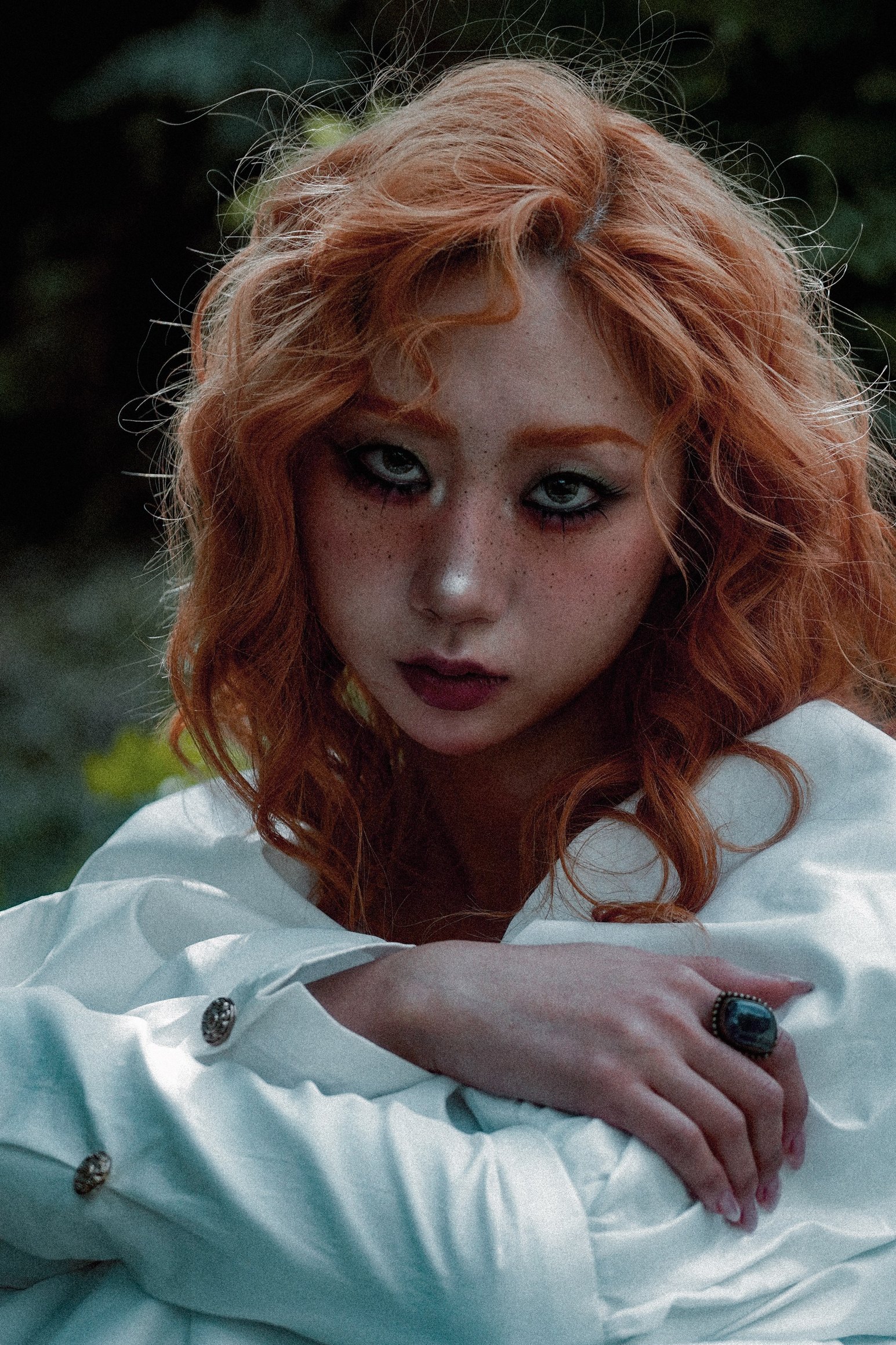
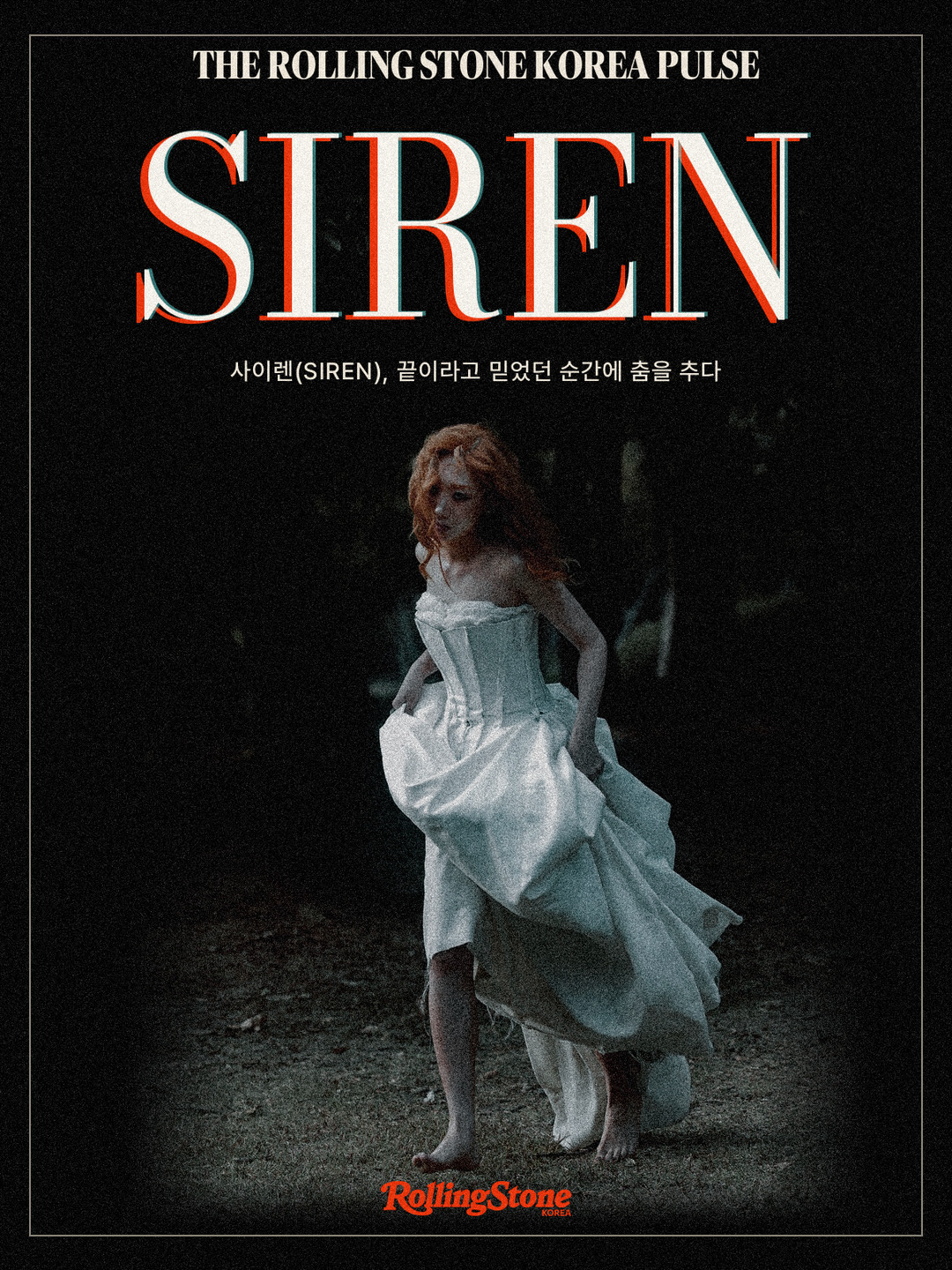
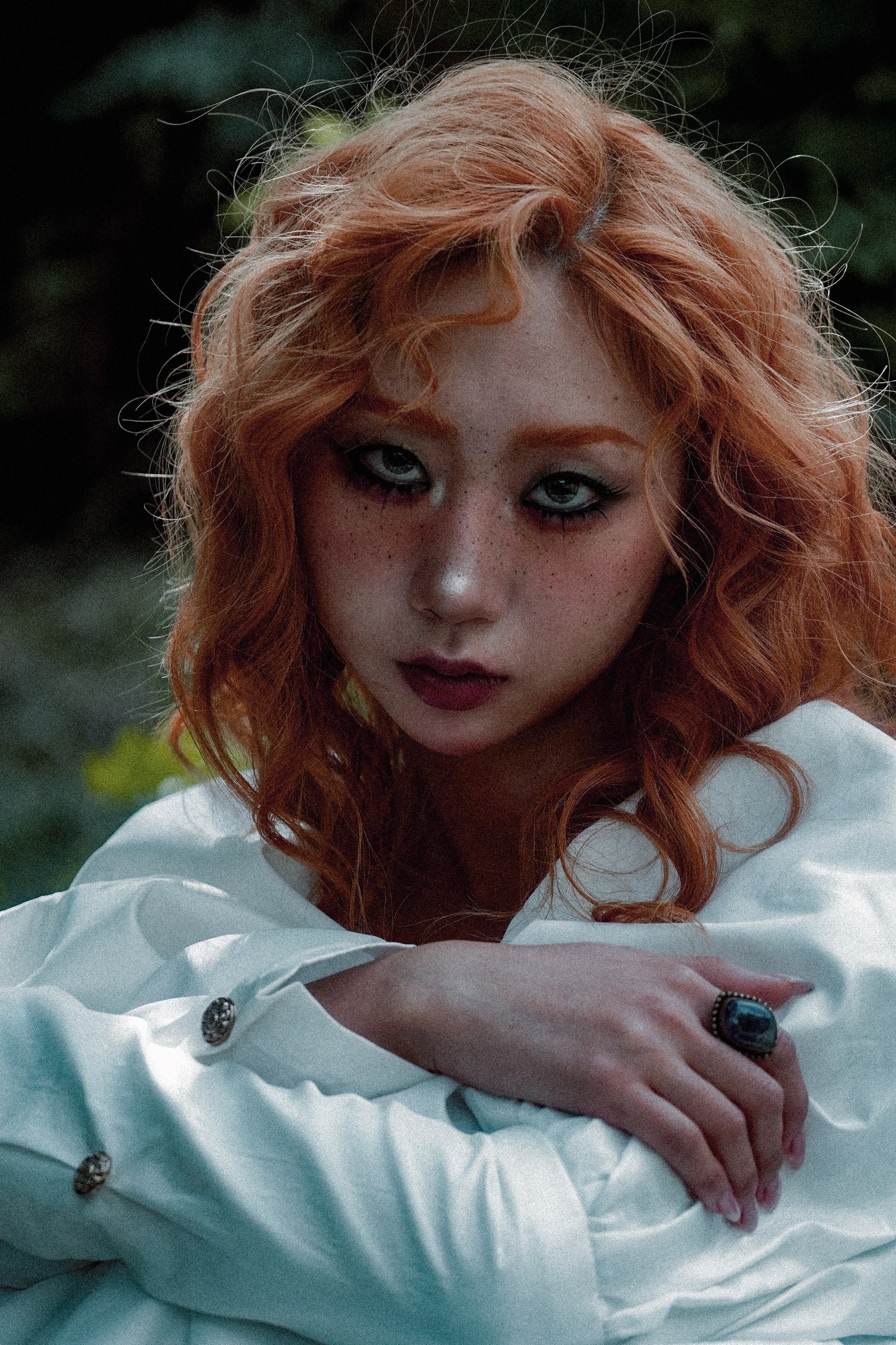
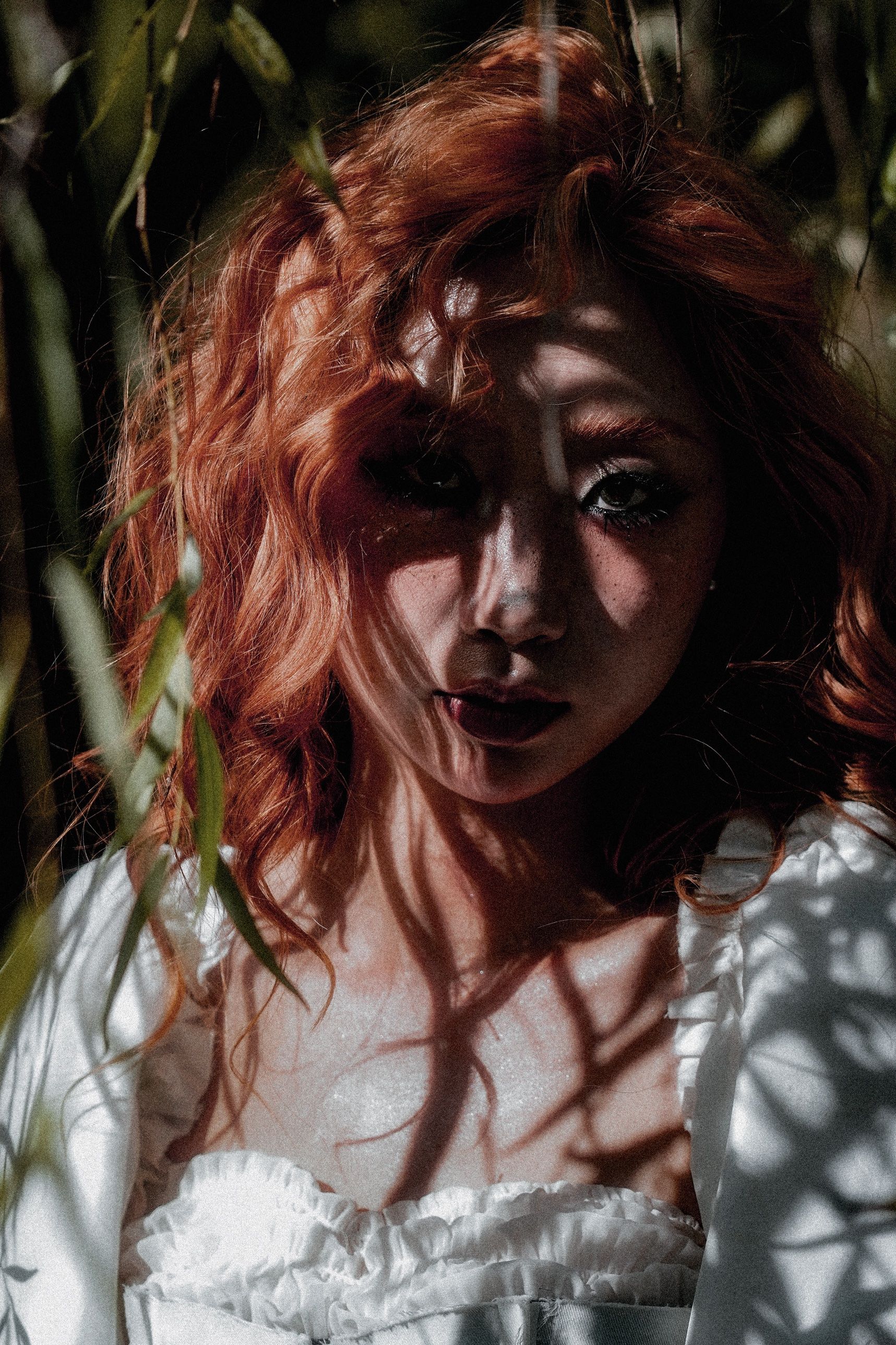
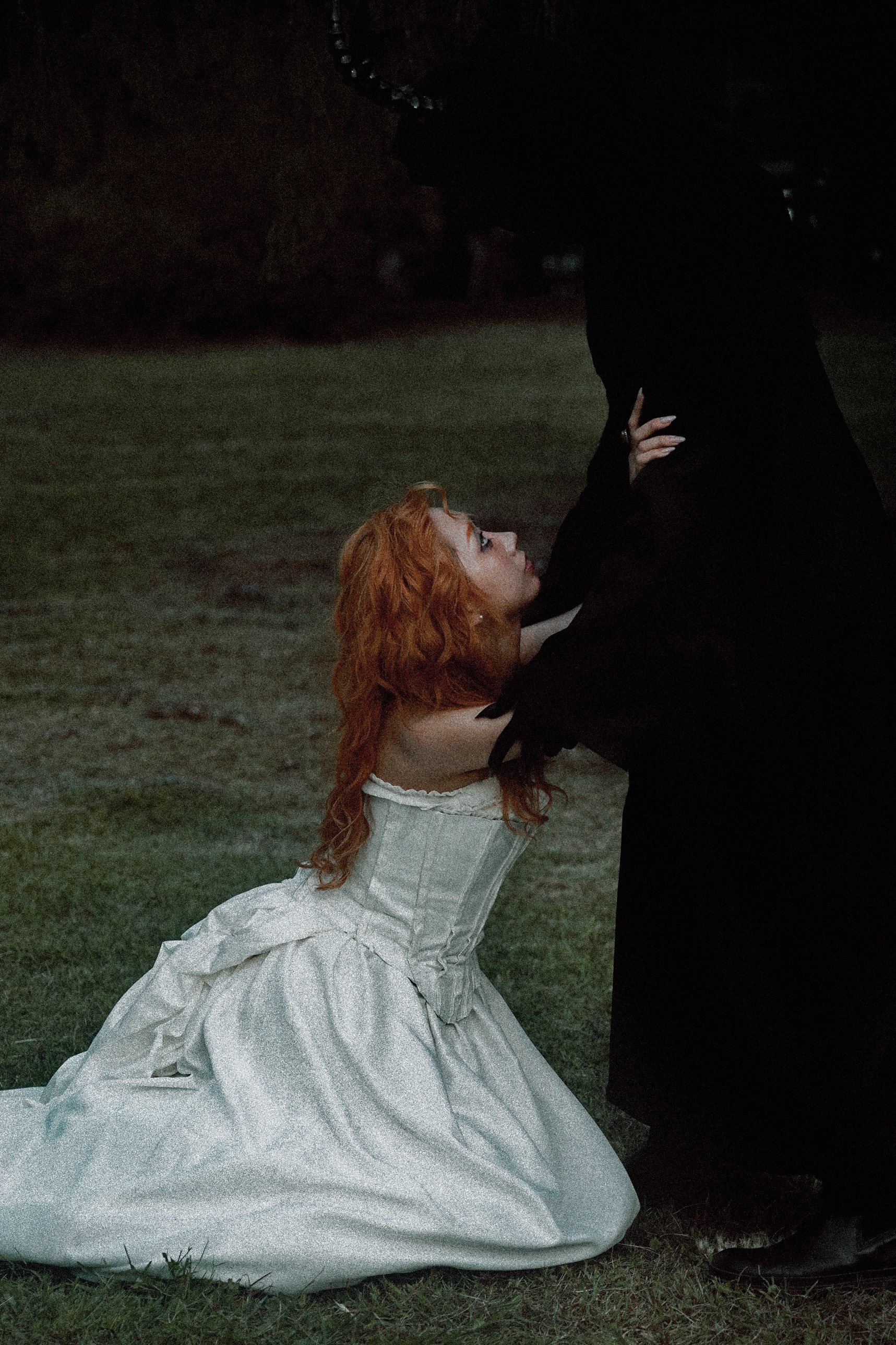
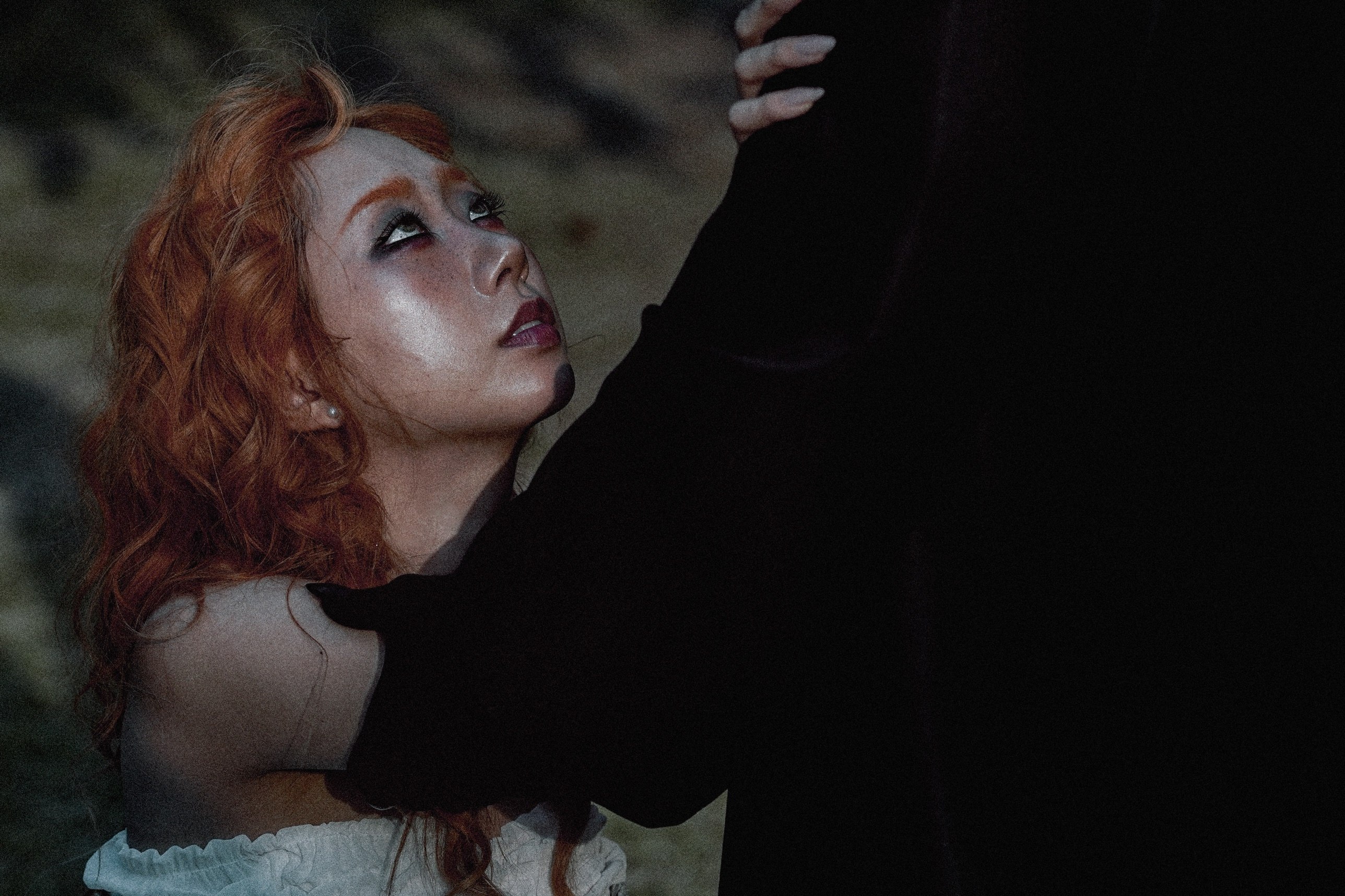
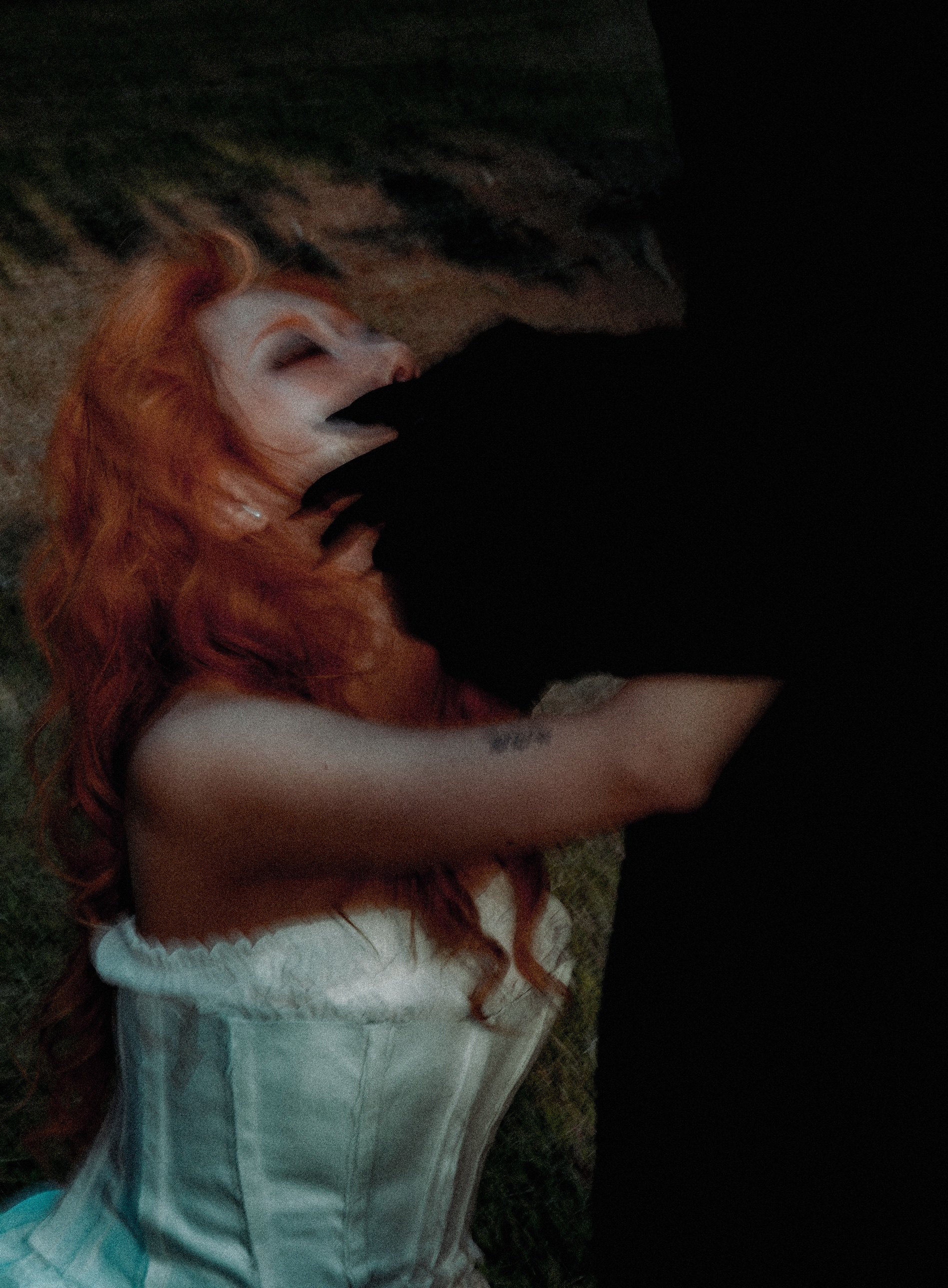
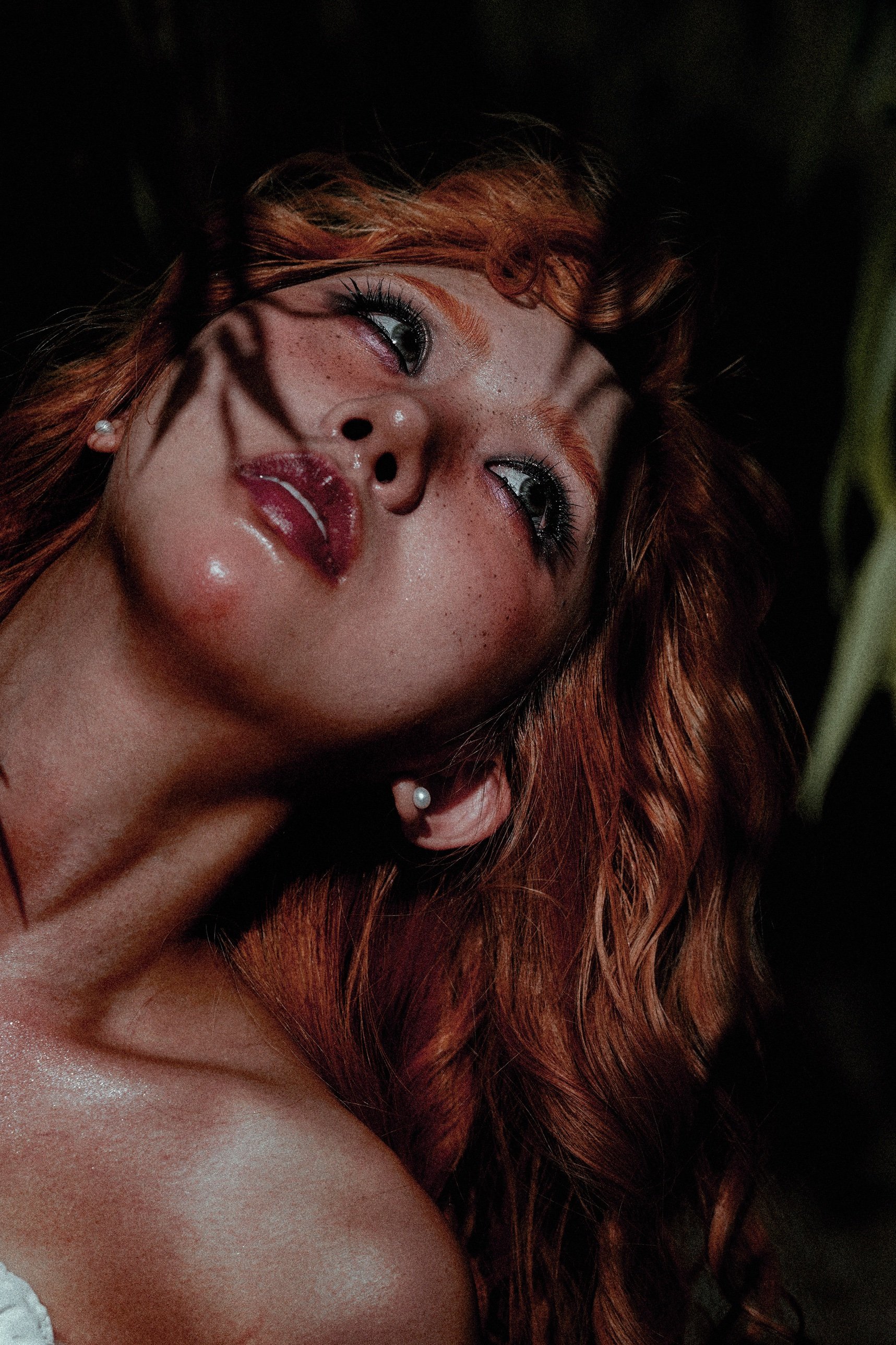
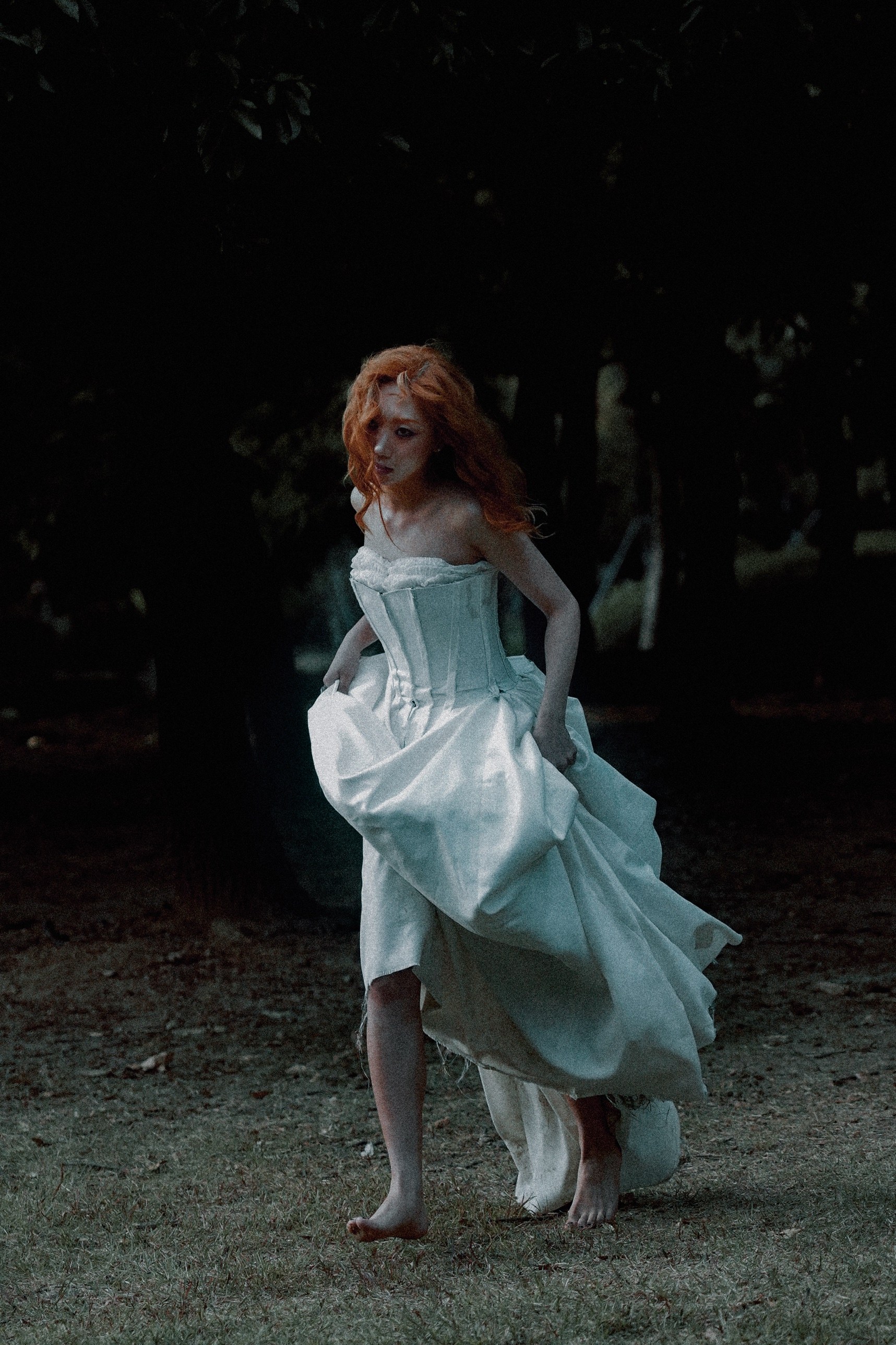
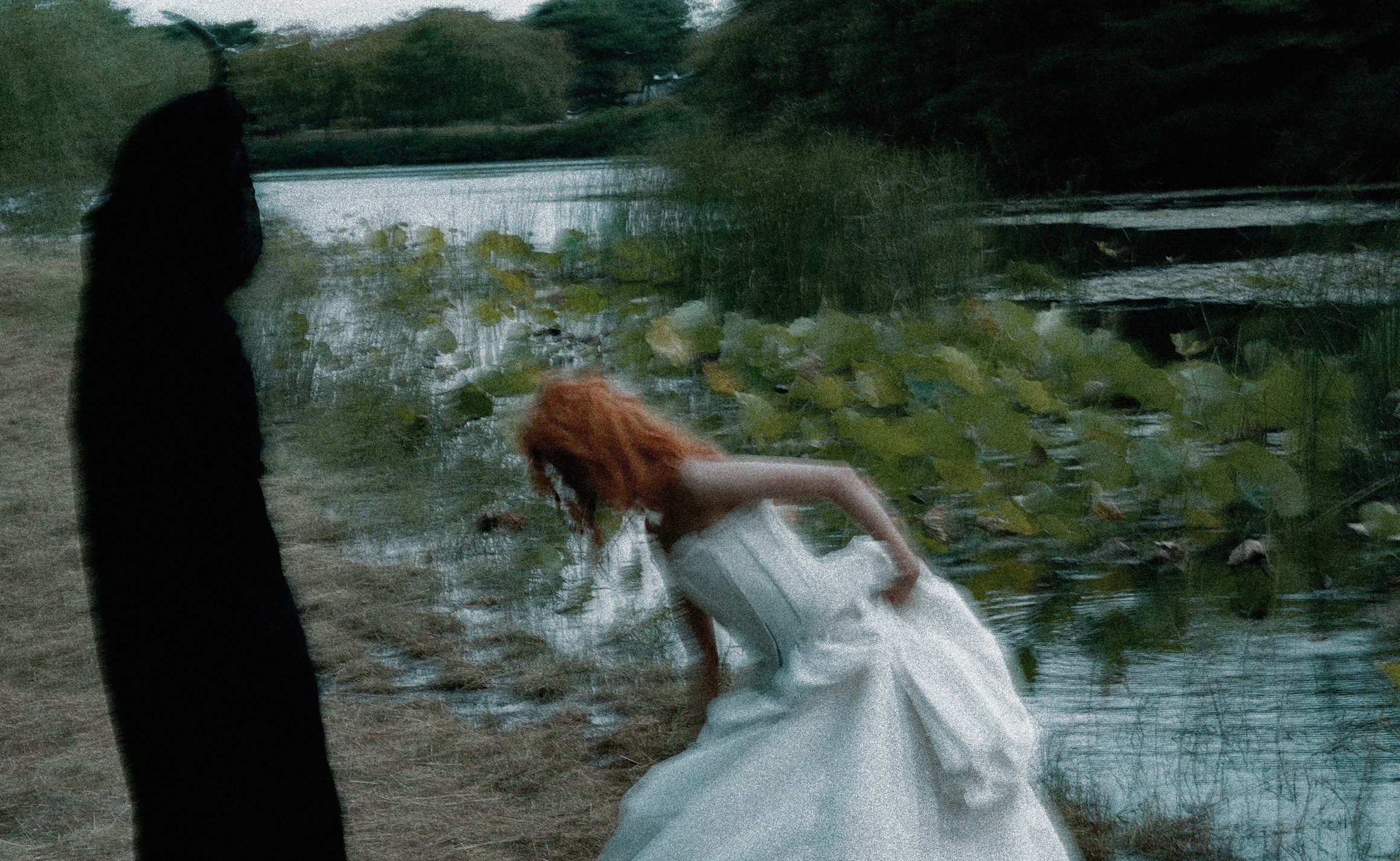
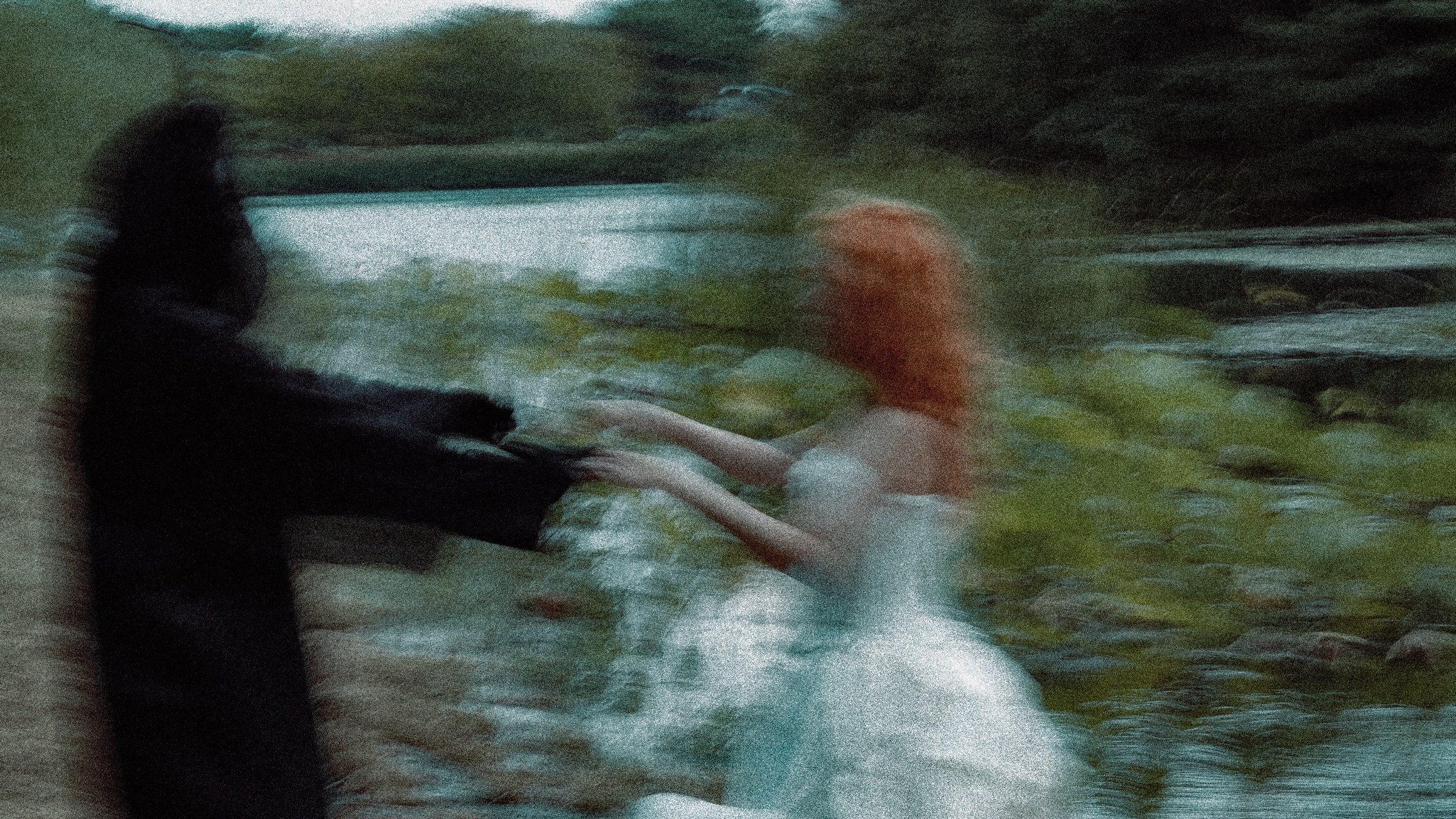
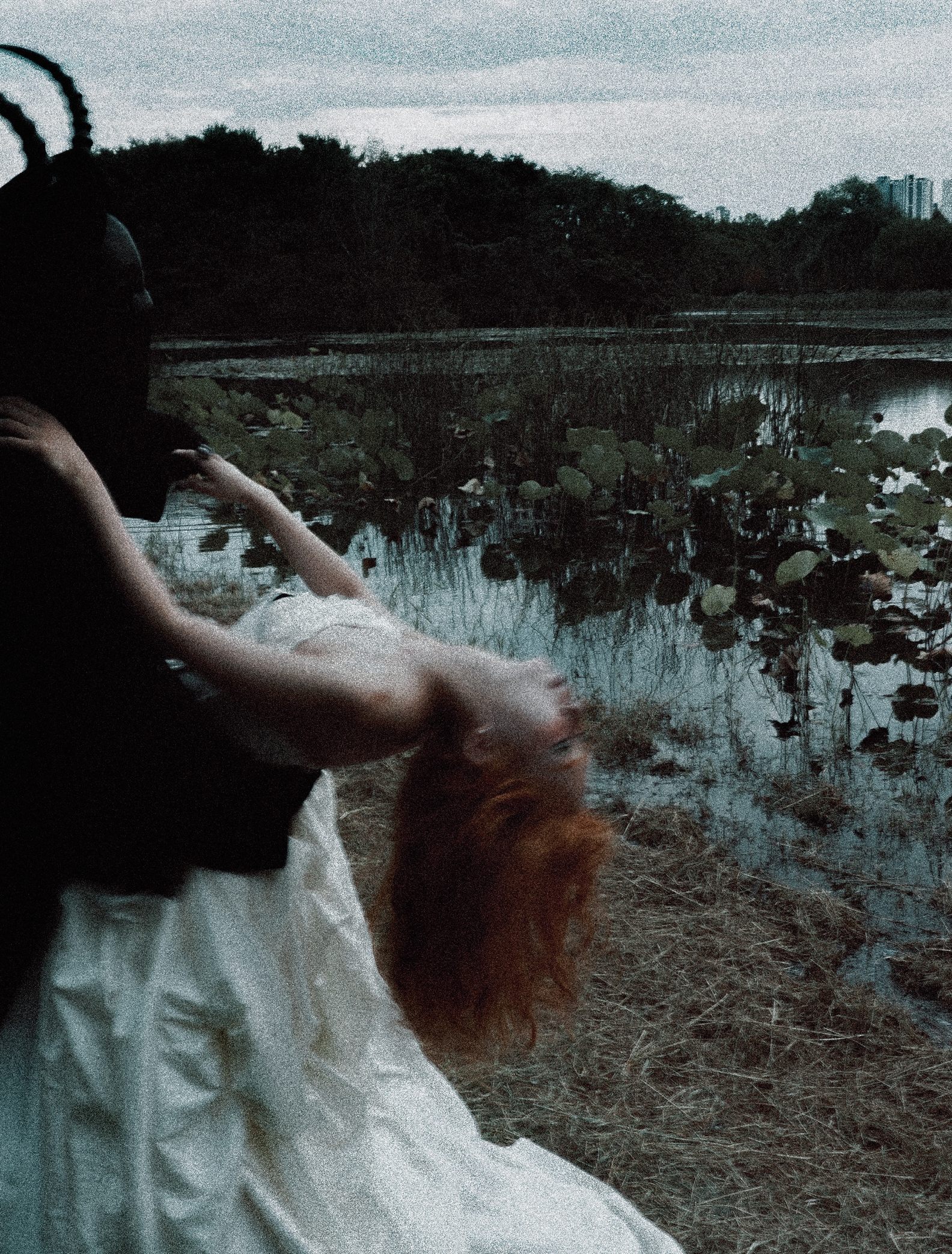
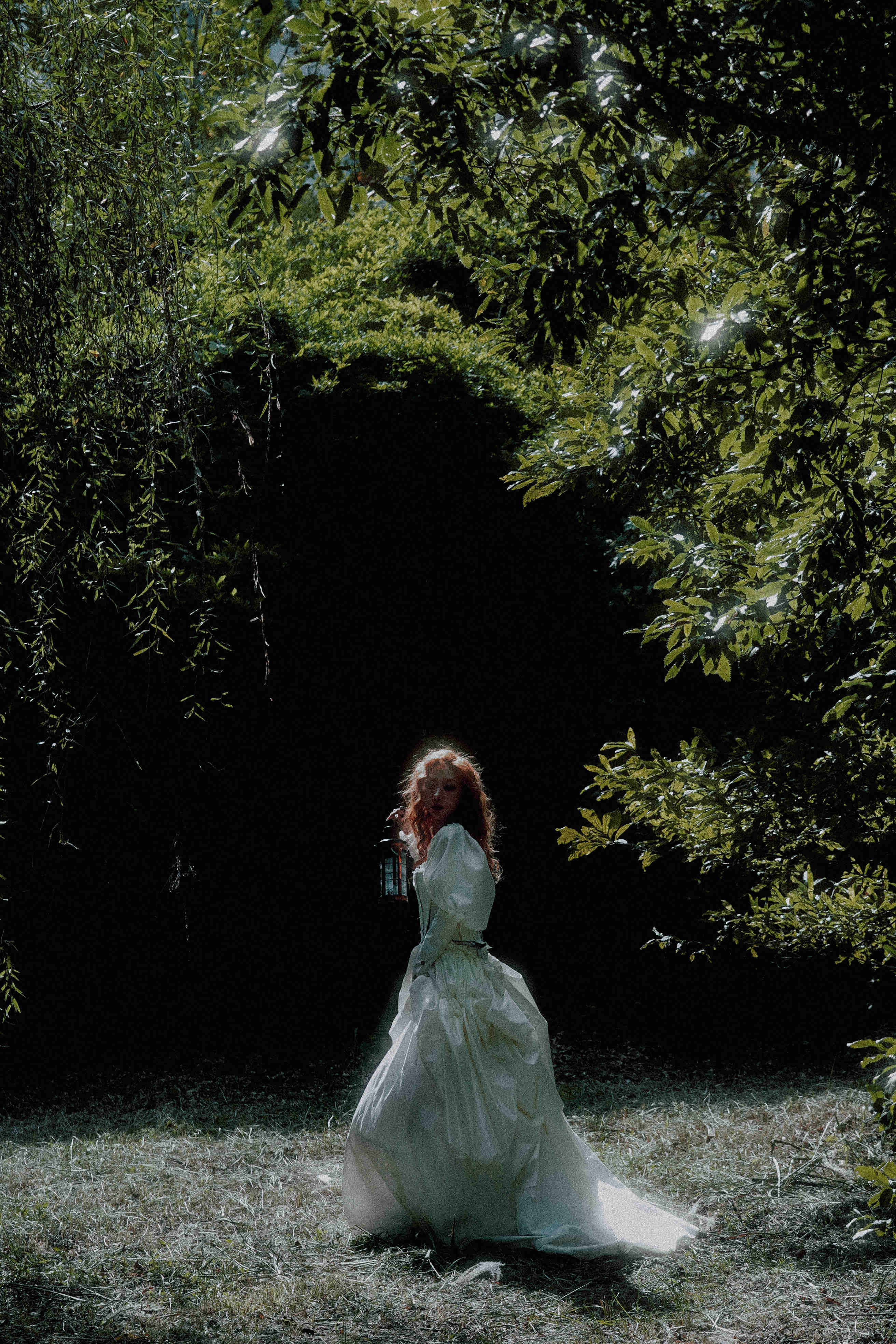
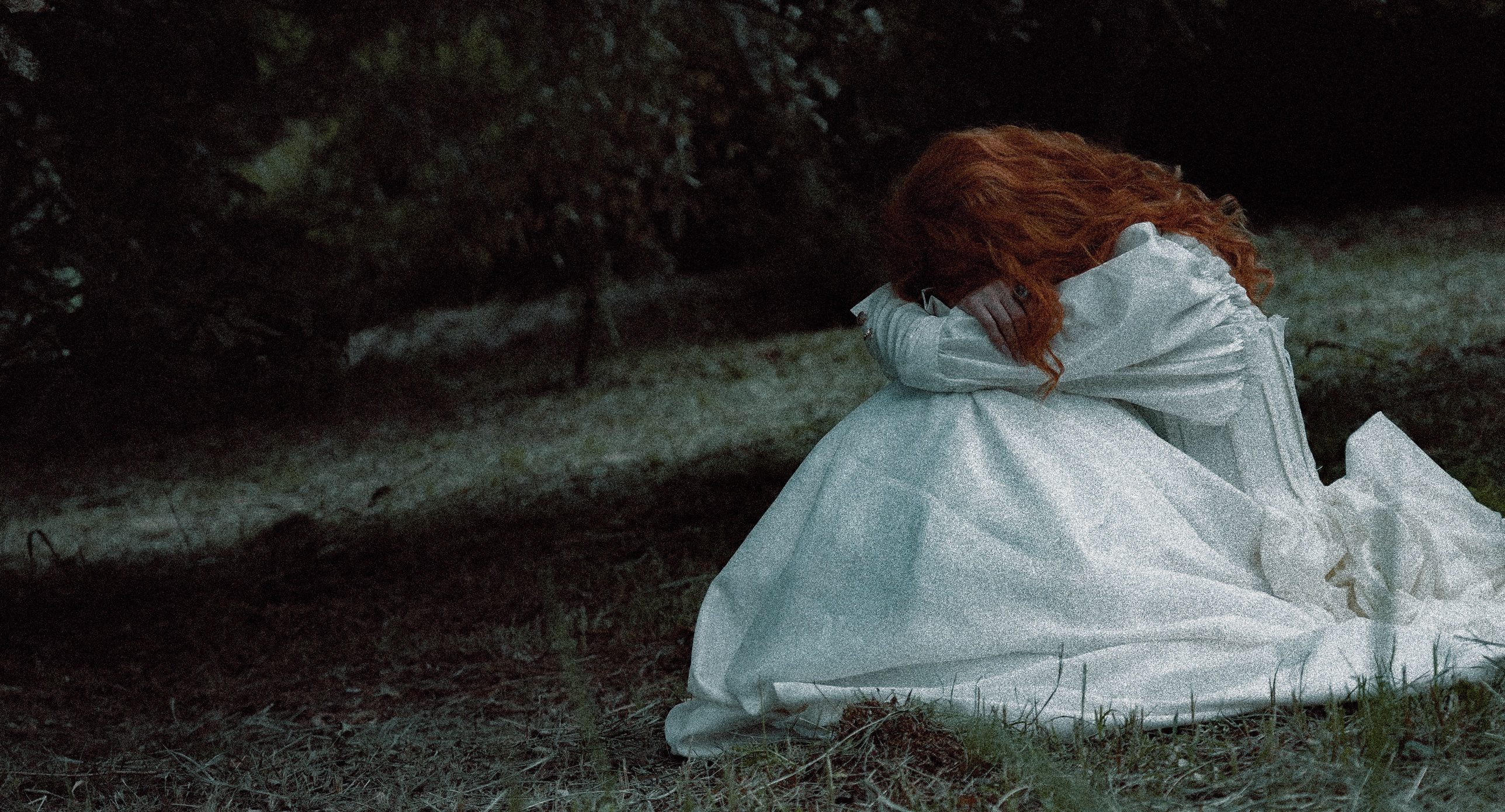
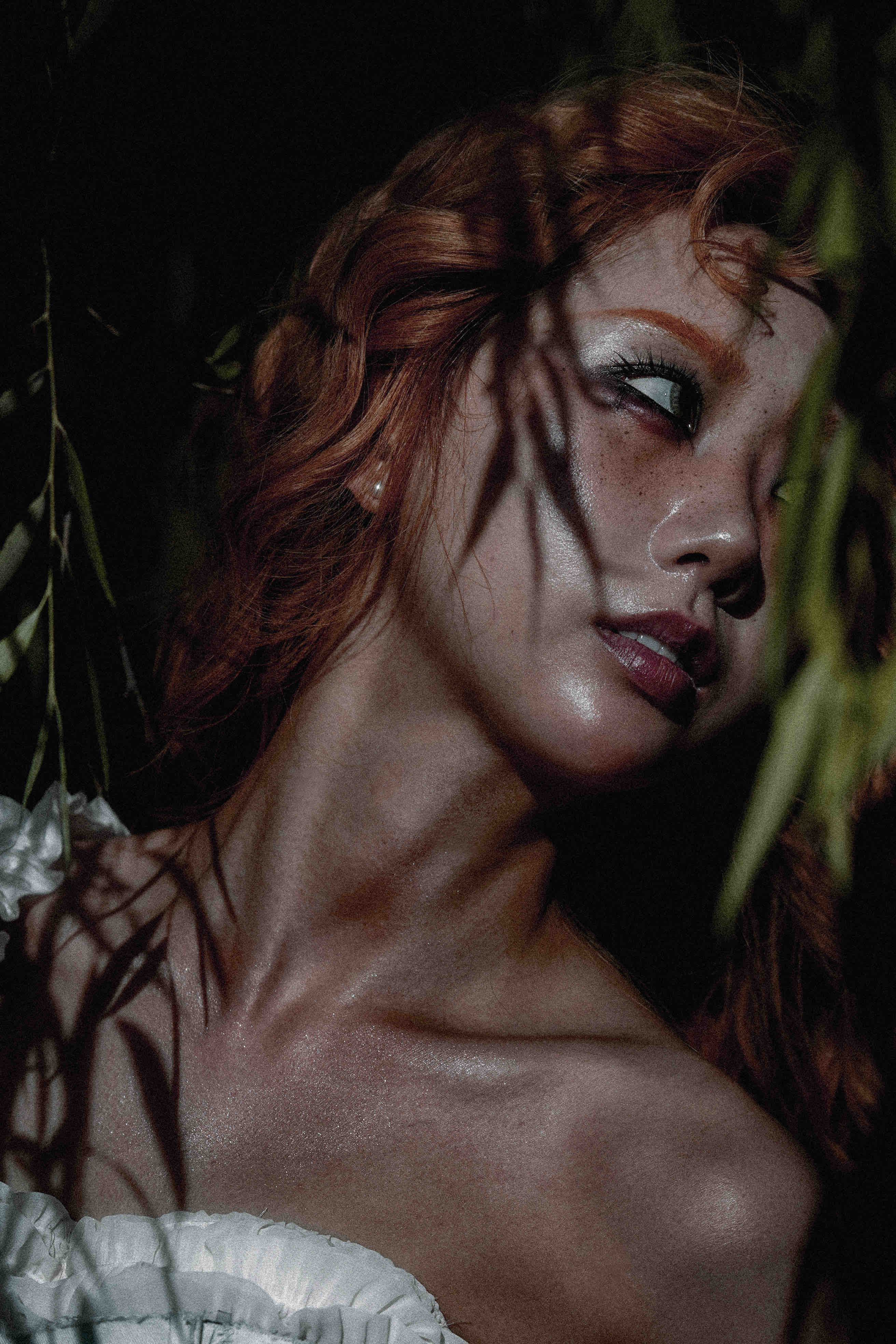
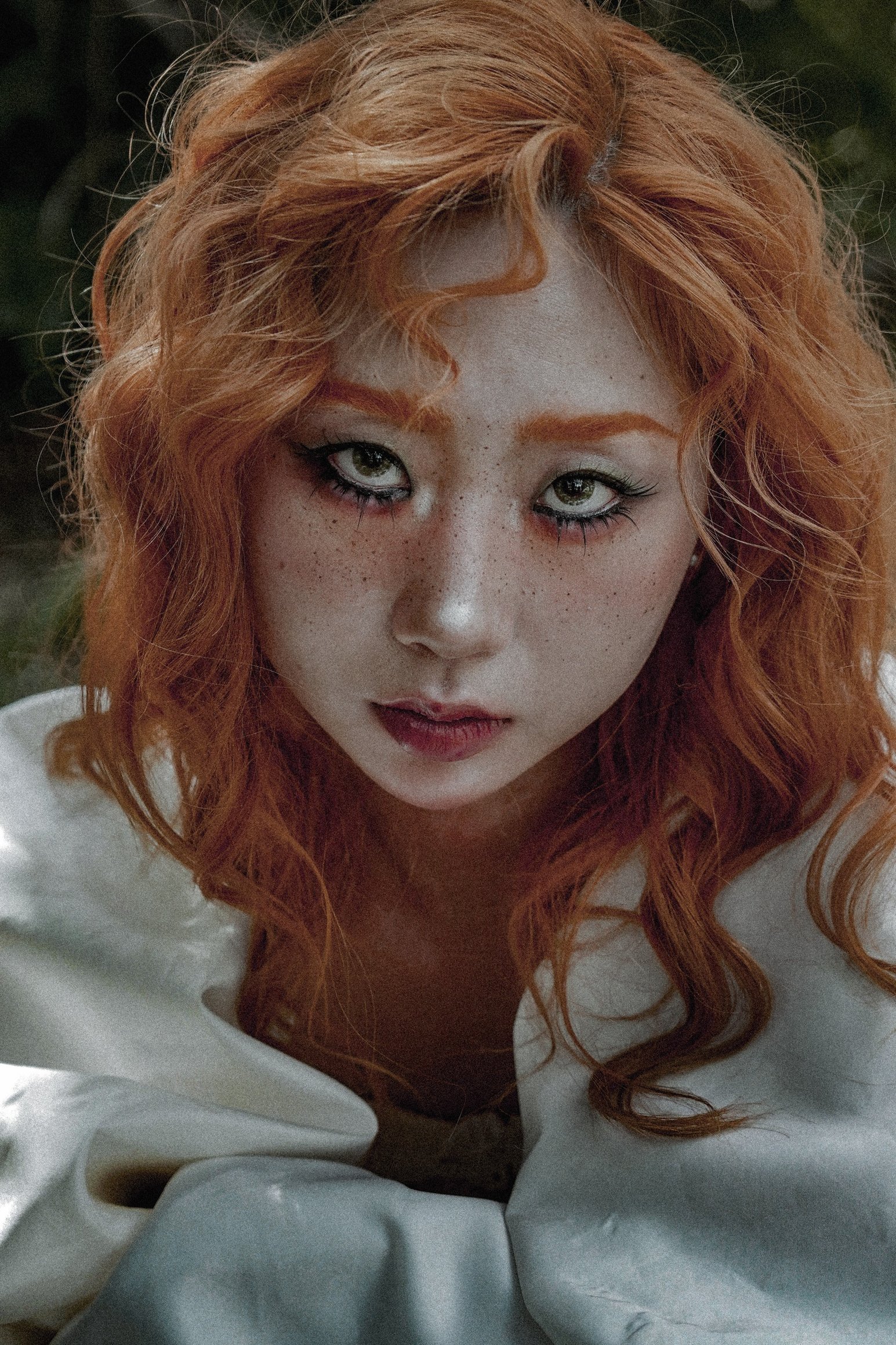
죽음은 언제나 끝을 의미할까. 때로는 외면해 온 자신을 마주하고 새로운 삶을 시작하는 계기가 되기도 한다. 아티스트 SIREN(사이렌)은 〈피날레(Finale)〉를 통해 죽음을 단순한 소멸이 아닌, 인간의 내면에 자리한 불안과 두려움의 은유로 그려낸다.
음악과 비주얼을 결합해 자신만의 세계관을 구축해 온 SIREN. 그에게 음악은 오랫동안 반드시 성공해야 하는 일이었으며, 동시에 스스로를 이해하고 살아가게 하는 원동력이었다. 〈피날레〉는 그 과정에서 마주한 어둠을 외면하는 대신, 기꺼이 손을 내미는 작품이다.
롤링스톤 코리아가 SIREN에게 〈피날레〉의 탄생 배경부터 뮤직비디오에 담긴 상징, 그리고 음악을 통해 전하고 싶은 이야기를 물었다.
RSK. 먼저 롤링스톤 코리아 독자들에게 자기소개 부탁드립니다.
“안녕하세요. SIREN(사이렌)입니다. 저는 음악과 비주얼을 통해 하나의 세계관과 이야기를 만들어가는 독립 아티스트입니다. 작사와 작곡을 비롯해 음악의 방향과 콘셉트, 비주얼 작업까지 직접 고민하며 만들어가고 있습니다.
곡마다 제 안에 존재하는 캐릭터를 꺼내 음악과 이미지를 결합하는 방식으로 작업하고 있어요. 단순히 강렬한 콘셉트나 이미지에 머무르기보다는, 듣는 사람들이 음악 안에서 자신의 감정을 발견할 수 있는 작품을 만들고 싶습니다.”
RSK. 〈피날레〉는 ‘죽음은 언제나 우리 가까이에 있다’는 생각에서 출발했다고요. 이러한 이야기를 음악으로 풀어내게 된 계기가 궁금합니다.
“어릴 때부터 음악을 해왔던 저에게 음악은 단순히 좋아하는 것을 넘어 반드시 성공해야만 하는 일이었습니다. 음악으로 성공하지 못한다면 죽을 것이라는 생각을 늘 마음 한편에 품고 살아왔어요.
그런데 시간이 흐르고 나이가 들수록 막연하게만 느껴졌던 죽음이 점점 가까워지는 것 같았습니다. 점점 더 어둠 속으로 잠겨가는 제 자신을 바라보다가 문득 이런 생각이 들었어요. 어차피 피할 수 없다면 죽음과 손을 맞잡고 춤을 추자고요.
차라리 그 마음을 등에 업고 정말 죽을 각오로 무언가를 해보자는 생각이 들었습니다. 그렇게 제 안에 쌓여 있던 감정과 생각들을 하나씩 꺼내 곡으로 만들기 시작했습니다.”
RSK. 곡에서 죽음은 단순히 삶의 끝을 의미하지 않는 것 같습니다. SIREN이 표현하고자 했던 ‘죽음’은 어떤 존재인가요?
“이 곡에서 죽음은 단순히 삶의 영원한 끝을 의미하지 않습니다. 우리가 살아가면서 마주하는 불안과 두려움, 그리고 외면하고 싶지만 끝내 떨쳐낼 수 없는 내면의 어떤 대상을 상징합니다.
곡의 화자는 죽음이 가까워질수록 마치 그것이 구원인 듯 오히려 죽음이라는 존재를 통해 안식과 위로를 얻으려 합니다. 그러나 결국 그것을 자신의 삶에서 완전히 떼어낼 수 없다는 사실을 깨닫게 되죠.
처음에는 피하고 싶었던 존재를 마주하고, 끝내 인정하고 받아들이는 과정을 통해 비로소 자기 자신을 발견하게 됩니다.”
RSK. 뮤직비디오에서는 화자를 끊임없이 쫓던 악마가 결국 자기 자신이었다는 사실이 드러납니다. 이 반전에는 어떤 의미가 담겨 있나요?
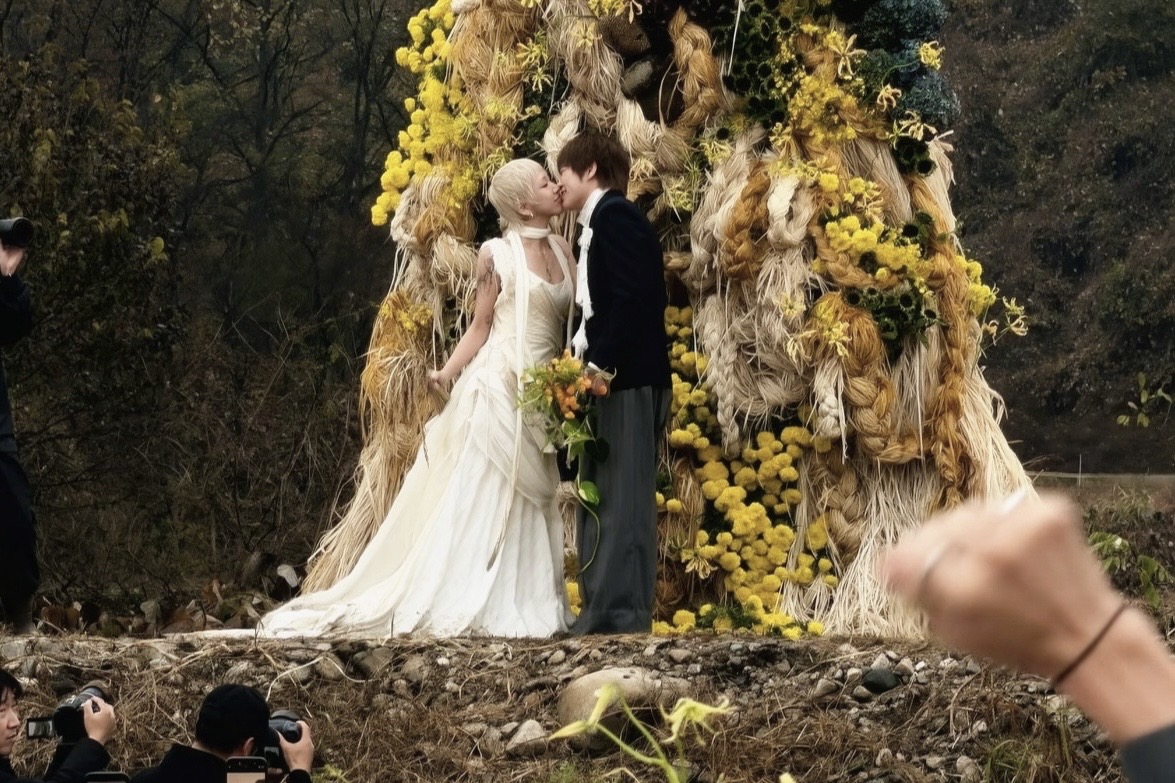
“영상 속 화자는 죽음, 즉 악마라는 존재에 끊임없이 쫓기며 무언가를 찾는 듯 불안한 시간을 보냅니다. 이야기의 후반부에 마침내 누워 있는 악마를 발견하지만, 그 존재를 다시 바라보았을 때 그것은 다름 아닌 자기 자신이었죠.
악마는 화자를 위협하는 외부의 존재처럼 보이지만, 사실 그 모습은 화자 내면에 자리한 두려움과 불안을 상징합니다.
결국 자신을 쫓아온 존재는 자기 자신이었던 거예요. 그동안 피하려 했던 대상과 마주하는 순간 비로소 자신이 무엇으로부터 도망치고 있었는지를 깨닫게 됩니다.”
RSK. 이후 화자는 도망치는 대신 악마와 함께 춤을 춥니다. 두려움을 극복하거나 물리치는 것이 아닌, 함께 춤추는 결말을 선택한 이유가 있을까요?
“저는 누구나 저마다의 불안감을 안고 살아간다고 생각합니다. 미래에 대한 걱정일 수도 있고, 실패에 대한 두려움일 수도 있으며, 스스로도 정확히 설명하기 어려운 막연한 불안일 수도 있죠.
그런 감정들이 반드시 없어져야만 하는 것은 아니라고 생각해요. 때로는 아무리 애써도 사라지지 않는 감정이 있고, 우리는 그것과 함께 살아가는 법을 배워야 하기도 합니다.
그래서 이 곡을 통해 이렇게 말하고 싶었습니다. ‘피할 수 없다면 춤을 추자. 벗어날 수 없다면 그냥 네 손을 잡을게.’
두려움이 완전히 사라져야만 앞으로 나아갈 수 있는 것은 아닙니다. 두려움을 안은 채로도 우리는 살아갈 수 있고, 새로운 시작을 맞이할 수 있습니다.”
RSK. 마지막까지 켜지지 않던 성냥에 비로소 불이 붙는 장면도 인상적입니다. 이 장면은 무엇을 상징하나요?
“이 장면은 끝을 두려워하기보다 지금까지의 시간을 받아들이고 새로운 시작을 맞이하는 순간을 상징합니다.
제목인 〈피날레〉는 모든 것이 끝나는 순간을 뜻하지만, 동시에 다음 이야기를 시작하기 위한 마지막 전환점이기도 합니다.
결국 이 작품에서 말하는 죽음은 내면의 두려움을 마주하고 받아들이는 과정이며, 그 과정을 통해 화자의 삶이 다음 페이지로 넘어가는 순간을 의미해요. 결국 삶에 관한 이야기를 하는 것이죠.”
RSK. SIREN의 음악에는 어둡고 독특한 분위기와 함께 지극히 개인적인 감정이 담겨 있습니다. 자신의 내면을 작품으로 드러내는 일은 어떤 의미인가요?
“밝은 이야기는 누구나 쉽게 하지만, 내면의 우울하거나 부정적인 마음까지 밖으로 꺼내지 못하는 경우가 많다고 생각합니다. 사실 저도 그렇고요.
하지만 담아 둔 마음은 저를 갉아먹고 더 깊은 어둠으로 끌어내리곤 했습니다. 그건 너무 외로운 일이었던 것 같아요.
그래서 곡에 제 이야기를 담아내기 시작했습니다. 처음에는 제가 살기 위해서였어요. 그런데 점점 그것을 구체화해 곡으로, 작품으로 만들어가는 과정만으로도 스스로 해소되고 위로받으며 치유되는 경험을 했습니다.”
RSK. 그렇게 개인적인 감정에서 출발한 음악이 다른 사람들에게 닿았을 때는 어떤 기분이 드나요?
“곡이 마침내 세상에 나왔을 때, 사람들이 제 노래를 듣고 따라 부를 때 저는 말로 표현할 수 없는 감정을 경험합니다.
마치 제 이야기를 들어주는 것 같아요. 낯선 사람들과 음악만으로 소통하고, 제 목소리가 세상에 닿는 경험은 저를 살아가게 하는 원동력입니다.
그래서 제가 받았던 것처럼 제 음악을 듣는 사람들도 위로와 치유를 받았으면 합니다. ‘나만 그런 게 아니었구나’, ‘나는 혼자가 아니구나’라고 느꼈으면 좋겠어요.”
RSK. 앞으로 SIREN이라는 이름으로 어떤 음악적 세계를 만들어가고 싶나요?
“앞으로도 진심을 담아 소통할 수 있는 가수가 되고 싶습니다.
장르나 형식에 한계를 두기보다는 개성 있는 사운드와 솔직한 가사를 통해 저만의 색깔을 만들어가고 싶어요.
제가 추구하는 방향은 어둡고 독특한 분위기 안에 누구나 공감할 수 있는 감정과 이야기가 담긴 음악입니다. 처음에는 낯설게 느껴지더라도 오래 기억에 남는 음악을 만들고 싶습니다.”
RSK. 마지막으로 〈피날레〉를 듣게 될 사람들과 롤링스톤 코리아 독자들에게 전하고 싶은 말이 있다면요?
“롤링스톤 코리아를 통해 제 음악과 이야기를 소개할 수 있게 되어 기쁩니다. 음악을 만들면서 제 안에 있는 여러 감정과 생각들을 작품으로 표현해 왔는데, 이렇게 그 이야기를 나눌 수 있는 기회가 생겨 감사하고 뜻깊게 생각합니다.
〈피날레〉가 불안과 두려움 속에서 살아가는 누군가에게 작은 위로가 되었으면 좋겠습니다. 당신이 느끼는 감정은 당신만의 것이 아니며, 혼자가 아니라는 이야기를 전하고 싶어요.
끝이라고 생각했던 순간이 어쩌면 새로운 시작일 수도 있으니까요.
이번 〈피날레〉를 시작으로 앞으로도 저만의 색깔을 잃지 않으면서 다양한 음악과 이야기를 들려드리고 싶습니다. 제 음악을 처음 접하시는 분들도 편안하게 들어주시고, 그 안에서 각자의 이야기를 발견하실 수 있으면 좋겠습니다. 감사합니다.”
사진 제공 : SIREN
SIREN: Dancing with the End, Embracing a New Beginning
On Making Peace with Fear and Finding Life Within the Darkness of 〈Finale〉
Does death always have to mean the end? Sometimes, confronting what we have spent so long running from can become the beginning of something new. In 〈Finale〉, independent artist SIREN explores death not simply as the end of life, but as a metaphor for the fears and anxieties that live within us.
Building a distinctive artistic universe through music and visual storytelling, SIREN has long regarded music as something she must succeed at, but also as a means of understanding herself and finding a reason to keep going. With 〈Finale〉, she chooses not to turn away from the darkness she has encountered, but to reach out and take its hand.
Rolling Stone Korea spoke with SIREN about the inspiration behind 〈Finale〉, the symbolism woven into its music video, and the deeply personal experiences that continue to shape her artistry.
RSK. To start, could you introduce yourself to Rolling Stone Korea’s readers?
“Hello, I’m SIREN, an independent artist who creates stories and worlds through music and visual storytelling. I’m personally involved in everything from songwriting and composition to the creative direction, concepts, and visual elements of my work.
With each song, I bring out a different character that exists within me and build a world around that character through sound and imagery. Rather than focusing solely on striking concepts or visuals, I want to create music that allows listeners to recognize something of themselves and their own emotions.”
RSK. You mentioned that 〈Finale〉 began with the thought that death is always closer than we realize. What inspired you to turn that idea into a song?
“I’ve been making music since I was young, and for a long time, it was never just something I loved. It was something I felt I absolutely had to succeed at. I carried this belief that if I couldn’t make it in music, I might as well die.
But as time passed and I grew older, death started to feel less like some distant, abstract idea and more like something gradually approaching. I could feel myself sinking deeper into darkness, and at some point, a thought occurred to me: If death is something I can’t escape, why not take its hand and dance with it?
Instead of letting that fear consume me, I decided to use it as motivation to give everything I had to what I was doing. I began taking the emotions and thoughts I’d been carrying inside and turning them into music, one by one.”
RSK. In the song, death seems to represent something beyond the literal end of life. What does it mean to you?
“In 〈Finale〉, death isn’t simply about life coming to an end. It represents the anxiety, fear, and other things within ourselves that we would rather avoid but can never entirely escape.
As death draws closer, the narrator begins to find an almost comforting sense of peace in it, as though it might offer some kind of salvation. But eventually, they realize that it’s not something they can completely separate from their own existence.
By confronting what they once wanted to run from, and ultimately learning to acknowledge and accept it, they begin to discover who they really are.”
RSK. One of the music video’s most striking revelations is that the demon pursuing the protagonist turns out to be the protagonist themselves. What is the significance of that moment?
“Throughout the video, the protagonist is relentlessly pursued by a figure representing death, or the devil. They spend much of the story in a state of anxiety, seemingly searching for something they can’t quite find.
Toward the end, they finally discover the demon lying before them. But when they look again, they realize they’re staring at themselves.
What initially appears to be an external threat is actually a manifestation of the fear and anxiety buried within them.
The revelation is that the thing chasing them all along was themselves. Only when they finally confront it do they begin to understand what they’ve really been running from.”
RSK. Rather than defeating the demon or escaping from it, the protagonist ultimately chooses to dance with it. Why was it important for the story to end with acceptance rather than conquest?
“I believe everyone carries their own anxieties. It might be uncertainty about the future, fear of failure, or simply an overwhelming feeling of unease that they can’t quite put into words.
I don’t think those feelings necessarily have to disappear. Some emotions remain no matter how hard we try to overcome them, and sometimes we have to learn how to live alongside them.
That’s what I wanted to express through this song: ‘If I can’t escape it, then let me dance. If I can’t break free, I’ll take your hand instead.’
We don’t have to be completely free of fear before we can move forward. We can carry that fear with us and still keep living, still find our way toward a new beginning.”
RSK. Another memorable moment comes when a match that has repeatedly failed to ignite finally catches fire. What does that image symbolize?
“That moment represents a shift from fearing the end to accepting everything that has come before it and welcoming a new beginning.
The title 〈Finale〉 refers to the moment when everything comes to an end, but it also represents the final turning point before another story begins.
Ultimately, the death portrayed in this work is about confronting and accepting our inner fears. It’s the moment the protagonist turns the page and moves into the next chapter of their life.
In the end, it’s really a story about living.”
RSK. Your music often explores darker emotions through a distinctive visual and sonic identity. What does it mean to you to reveal such personal parts of yourself through your art?
“I think people find it relatively easy to talk about the brighter parts of life, but it’s much harder to bring our sadness, negativity, and darker emotions into the open. That’s certainly true for me.
But when I kept those feelings buried, they slowly ate away at me and pulled me further into darkness. It was an incredibly lonely experience.
That’s why I started putting my own stories into my songs. At first, I was doing it simply to survive. But as I gradually shaped those emotions into music and complete works of art, I discovered that the creative process itself brought me relief, comfort, and a sense of healing.”
RSK. Your songs begin with deeply personal experiences, yet they eventually reach people you’ve never met. What does that connection feel like?
“When a song I’ve created finally goes out into the world and I hear people listening to it or singing along, I experience something I can hardly put into words.
It feels as though someone is truly listening to my story. Being able to connect with strangers through music alone, and knowing that my voice has reached someone out there, gives me a reason to keep going.
Because music has brought me so much comfort and healing, I hope my songs can offer others that same experience. I want people to listen and think, ‘So I’m not the only one who feels this way,’ or ‘I’m not alone after all.’”
RSK. Looking ahead, what kind of musical world do you hope to build as SIREN?
“I want to continue being an artist who connects with people through honesty and sincerity.
Rather than limiting myself to a particular genre or format, I want to develop my own identity through distinctive sounds and lyrics that reflect what I genuinely feel.
I’m drawn to music that has a dark, unconventional atmosphere but still carries emotions and stories that anyone can relate to. Even if my music feels unfamiliar at first, I want it to stay with people long after they’ve heard it.”
RSK. Finally, what would you like to say to those discovering 〈Finale〉 and to Rolling Stone Korea’s readers?
“I’m really happy to have the opportunity to share my music and my story through Rolling Stone Korea. I’ve always expressed my thoughts and emotions through my work, so being able to talk about them in this way means a great deal to me.
I hope 〈Finale〉 can offer even a little comfort to someone living with fear or anxiety. I want them to know that whatever they’re feeling, they’re not the only one, and they don’t have to face it alone.
What feels like an ending might actually be the beginning of something new.
Starting with 〈Finale〉, I hope to keep sharing more music and stories while staying true to who I am as an artist. Even if this is your first time hearing my music, I hope you’ll listen with an open mind and perhaps find a little of your own story within it. Thank you.”
BY PROVIDING YOUR INFORMATION, YOU AGREE TO OUR TERMS OF USE AND OUR PRIVACY POLICY. WE USE VENDORS THAT MAY ALSO PROCESS YOUR INFORMATION TO HELP PROVIDE OUR SERVICES.