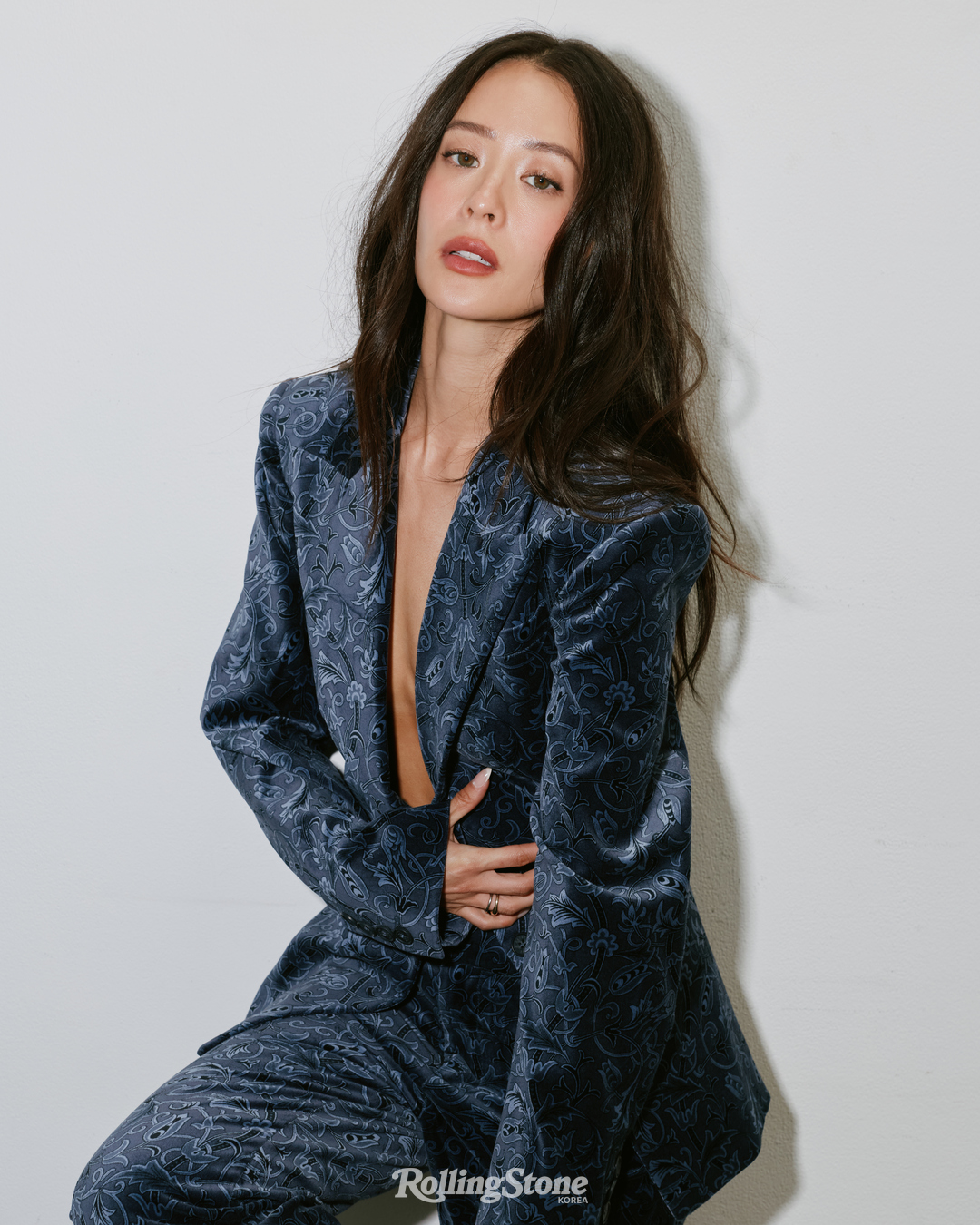
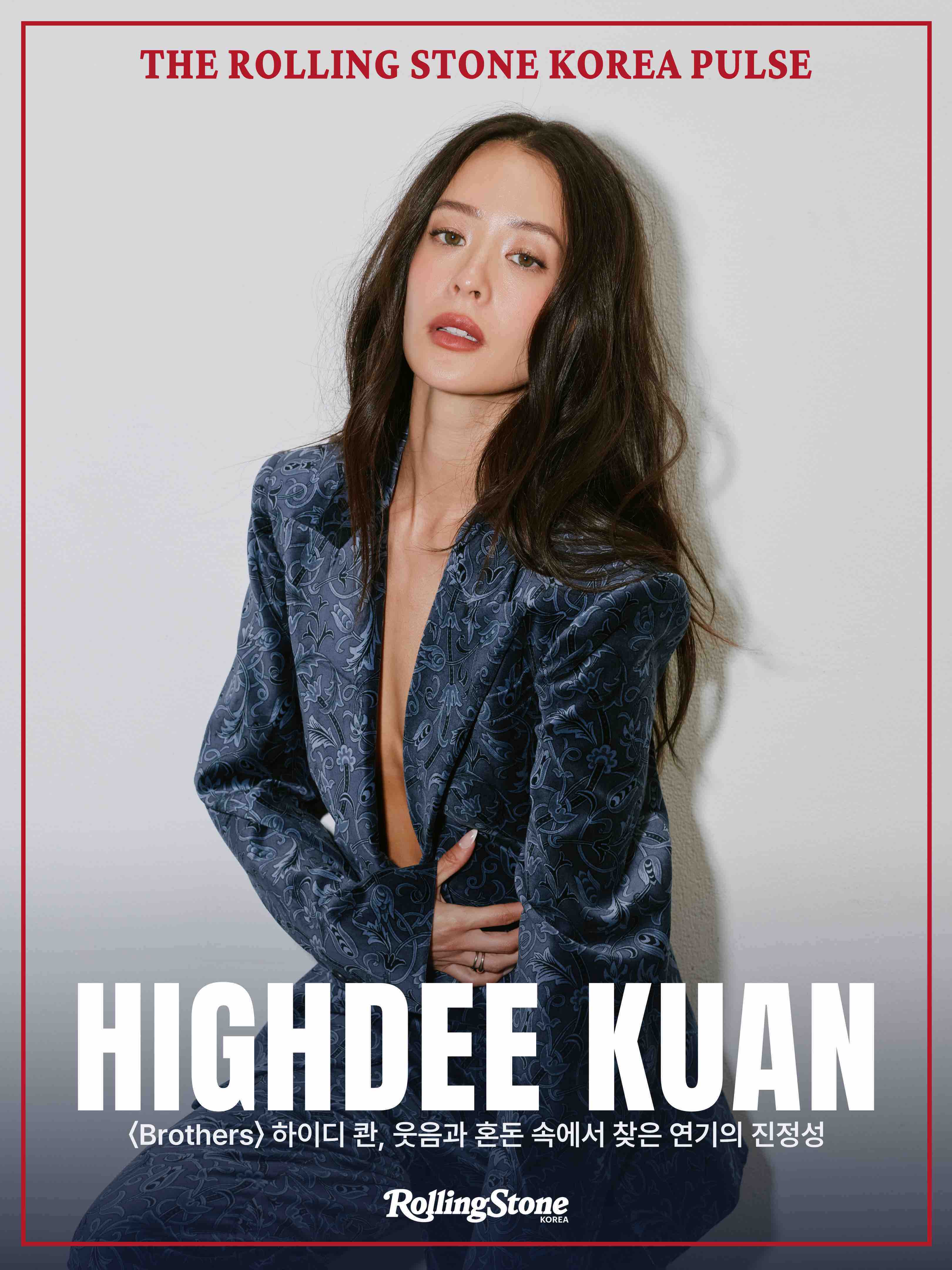
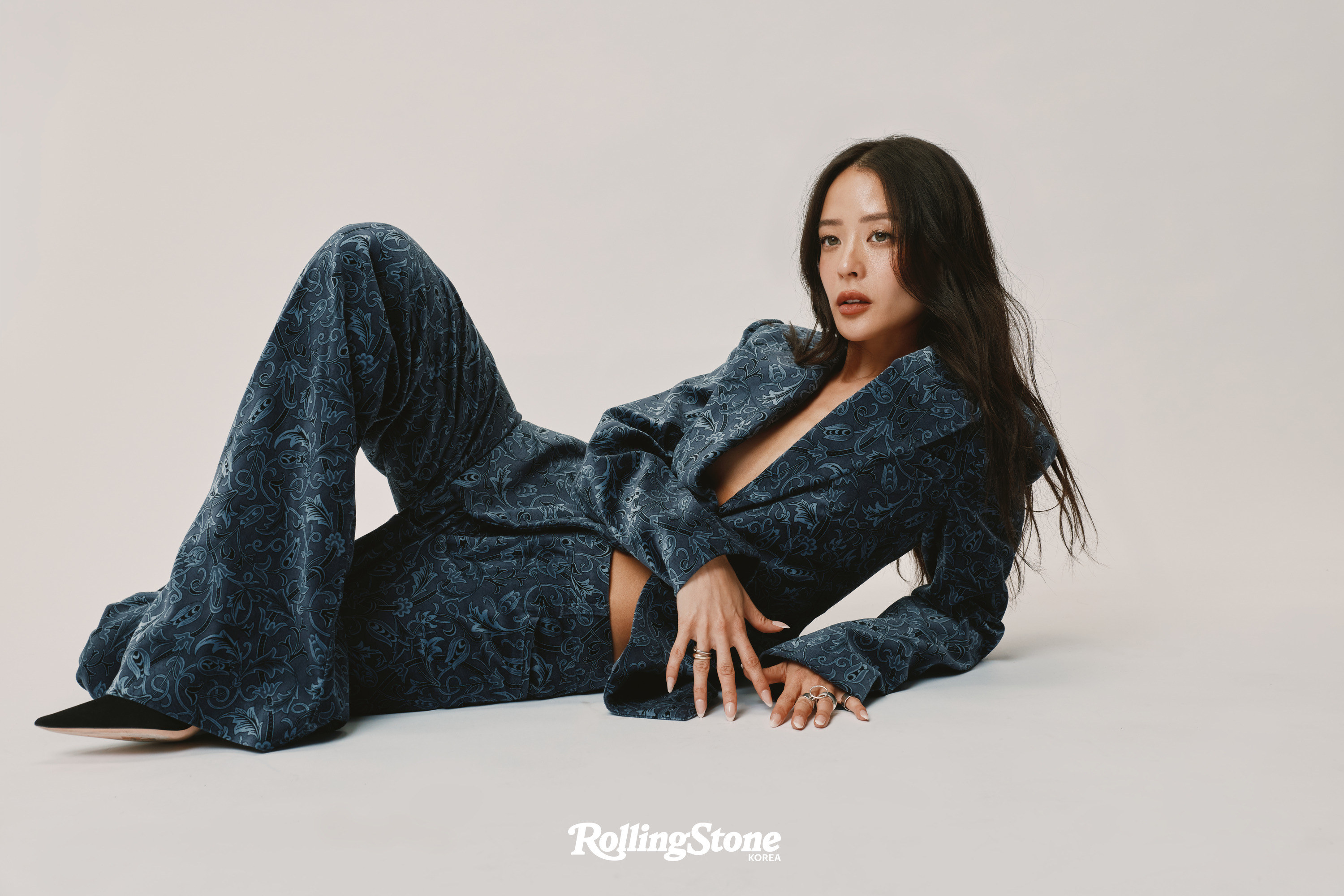
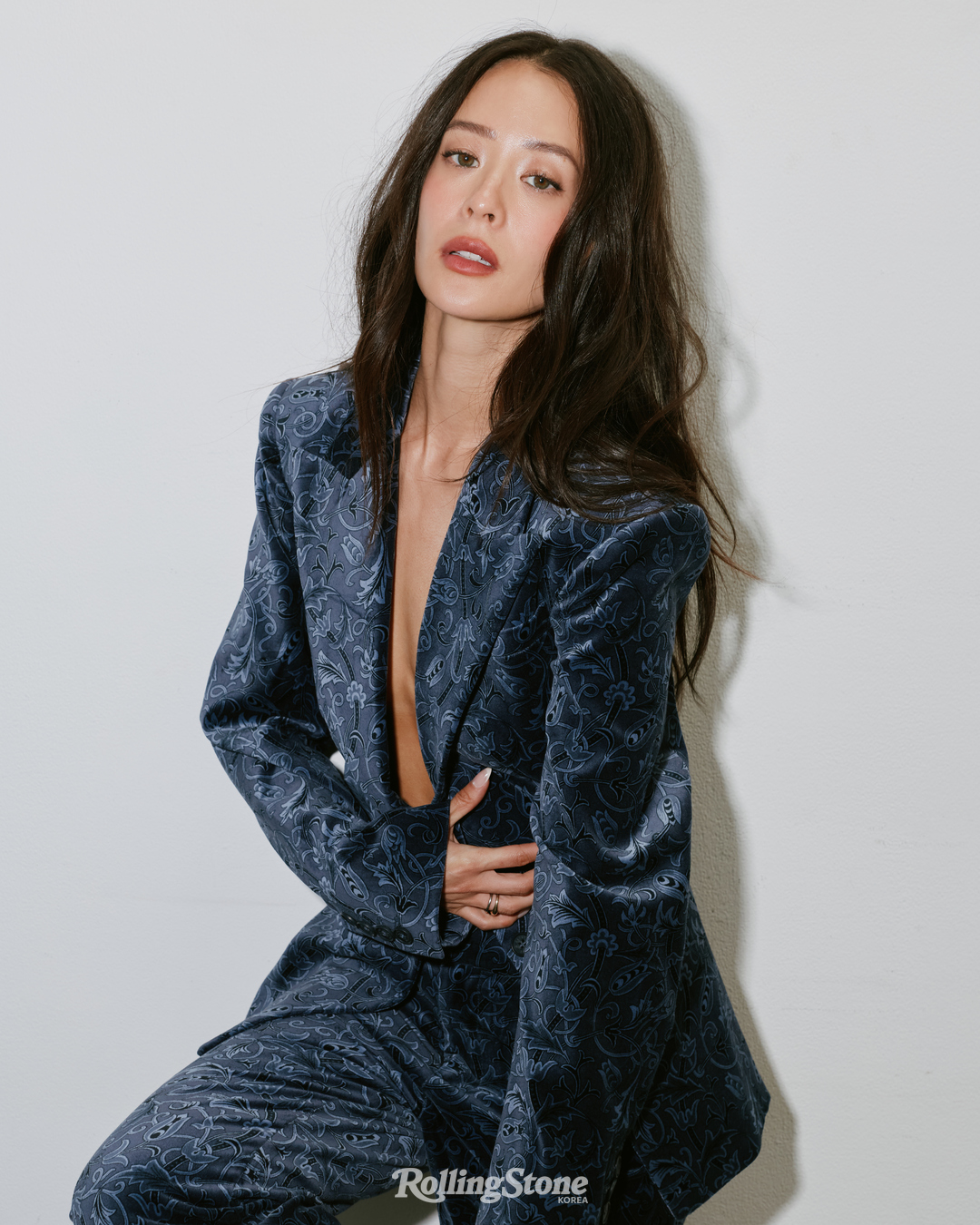
우디 해럴슨(Woody Harrelson)과 매튜 맥커너히(Matthew McConaughey)가 실제 자신의 모습을 과장한 캐릭터로 등장하는 Apple TV 시리즈 〈Brothers〉. 이 작품에서 예측 불가능한 소동과 유쾌한 혼란은 어쩌면 당연한 일이다. 그러나 해럴슨의 장녀 올리브(Olive)를 연기하는 하이디 콴(Highdee Kuan)은 그 소란스러운 이야기의 감정적 중심을 잡는다. 다소 황당한 설정 속에서도 콴은 가족이라는 관계가 지닌 복잡하고도 애틋한 현실을 자연스럽게 녹여내며 코미디에 진정성을 더한다.
이 시리즈는 맥커너히와 해럴슨이 실제로 이복형제일지도 모른다는 소문에서 영감을 얻었다. 오랜 친구 사이인 두 사람은 맥커너히의 어머니가 그의 출생 무렵 해럴슨의 아버지와 알고 지냈다는 사실을 밝힌 이후, 실제로 형제일 가능성을 공개적으로 언급한 바 있다. 작품 속에서는 이 설정을 바탕으로 두 사람의 가상 가족이 텍사스에서 함께 지내게 되고, 예측 불가능한 사건과 개성 강한 인물들이 뒤엉키며 이야기가 펼쳐진다.
넷플릭스 시리즈 〈선 브라더스(The Brothers Sun)〉에서 알렉시스(Alexis) 역으로 주목받은 콴은 〈Brothers〉의 오스틴 촬영 현장에 자신만의 독특한 배경과 시각을 가져왔다. 샌프란시스코에서 태어나 네덜란드의 작은 시골 마을에서 성장한 그는 헤이그 왕립음악원(Royal Conservatory of The Hague)에서 클래식 발레를 수련한 뒤, 캘리포니아대학교 샌디에이고 캠퍼스(UC San Diego)에서 연극과 시각예술을 공부했다. 규율과 정확성을 중시하는 클래식 교육을 통해 다져진 그의 성장 배경은 즉흥성이 중요한 코미디 연기와 흥미로운 대비를 이룬다.
그렇다고 콴이 주변의 소란을 차분하게 받아내는 인물에만 머무는 것은 아니다. 해럴슨과 호흡을 맞추는 장면에서 그는 작품 특유의 익살스러움에 현실적인 취약성과 섬세한 감정을 더한다. 거대한 소동이 펼쳐지는 텍사스 한복판에서 올리브는 이야기를 단단하게 지탱하는 중심축이 된다.
RSK: 올리브라는 캐릭터를 만들어가는 과정에서 우디의 실제 가족이나 딸들에게서 영감을 얻었나요? 아니면 자유롭게 해석할 수 있었나요?
Highdee Kuan: 캐릭터는 여러 차례 변화를 거쳤어요. 그런데 정말 좋았던 점은 우리가 실제 인물을 재현하는 역사극을 만드는 게 아니었다는 거예요. 우디와 매튜는 실제 자신들의 모습을 과장한 캐릭터를 연기하고 있었고, 현장에서 배우들에게 주어진 자유도 상당했어요. 그래서 처음부터 과감한 시도를 해볼 수 있다는 게 분명했죠.
실존 인물을 연기할 때는 신중하고 존중하는 태도가 필요해요. 하지만 이 작품은 영리하게 다른 방향을 택했어요. 우디의 실제 딸을 세세한 부분까지 정확하게 재현하기보다는, 그의 아이들이 어떤 가치관 속에서 자랐는지 그 정신을 담아내고자 했거든요.
우디의 아내 로라(Laura)와 촬영장에도 함께 있었던 딸 마카니(Makani)를 알아가는 과정이 큰 도움이 됐어요. 가족들과 자연스럽게 시간을 보내면서 그들의 가치관을 이해할 수 있었죠. 우디는 가족을 정말 깊이 사랑하는 사람이에요. 실제 딸의 삶에서 무엇이 정확한 사실인지를 하나하나 확인하는 것보다, 그 가족에 대한 기본적인 이해를 갖는 게 훨씬 중요했어요. 덕분에 저 자신의 경험도 연기에 녹여낼 수 있었고요. 화면 안팎에서 일어나는 많은 일이 지극히 개인적인 감정과 연결되어 있으니까요.
RSK: 시리즈 초반 올리브는 실연의 상처를 안고 등장하죠. 적어도 초반부의 올리브는 사랑과 두려움 중 어느 감정에서 출발한다고 생각했나요?
Highdee Kuan: 저에게는 굳이 오래 고민할 필요도 없는, 아주 명확한 부분이었어요. 올리브의 감정은 사랑을 잃은 경험, 그리고 버림받거나 거절당할지도 모른다는 두려움에서 비롯돼요. 올리브는 분명히 회피적인 성향이 강한 인물이고, 살아오면서 많은 것을 보고 경험했기 때문에 그런 태도가 이미 기본적인 반응으로 자리 잡은 거죠.
올리브는 상실의 슬픔을 통과하고 있어요. 저는 슬픔이라는 감정 자체가 다른 방향으로 향하고 있는 사랑이라고 생각해요. 올리브는 슬픔에서 수용으로, 다시 사랑으로 나아가죠. 굉장히 강렬한 여정이에요. 물론 그 과정을 겪는 당사자나 지켜보는 시청자에게 언제나 명확하고 직선적으로 보이는 것은 아니겠지만요.
RSK: 이렇게 코미디적인 작품에서 감정적으로 현실감 있는 중심축을 맡는 것은 어떤 경험이었나요?
Highdee Kuan: 저는 코미디 역시 진실함에 뿌리를 두어야 한다고 생각해요. 때로는 고통과 이해가 그 바탕이 되기도 하고요. 배우로서 저는 스스로를 코미디 배우보다는 드라마 배우에 더 가깝다고 생각하는 편이에요. 그래서 현실에 발붙인 듯한 캐릭터에 깊이 몰입할 수 있다는 게 좋았어요. 사람들이 저에게 가장 큰 웃음을 기대하며 캐스팅하는 건 아니라고 생각하거든요. 저도 제 강점이 어디에 있는지 알고 있고, 작품에는 웃음을 정말 잘 만들어내는 훌륭한 배우들이 많이 있으니까요.
우디와 올리브의 관계는 누구나 공감할 수 있을 만큼 보편적이면서도 애틋해요. 그 감정의 상당 부분은 이미 대본에 담겨 있었죠. 두 사람의 부녀 관계에는 굉장히 복잡한 감정의 층위가 존재해요. 그래서 저는 늘 세심한 배려와 이해를 가지고 접근해야 했어요. 현실과 메타적인 설정이 뒤섞이는 과정은 어떤 면에서 감정적인 해방감을 주기도 했고요.
RSK: 매튜와 우디는 특유의 말투와 대사 전달 방식, 신체적인 표현을 지닌 배우들이잖아요. 두 사람과 함께 작업하면서 자신만의 코미디 감각은 어떻게 찾아갔나요?
Highdee Kuan: 우디와 매튜에게는 대사를 전달하는 특유의 리듬이 있어요. 이 작품에서 배우로서 제 역할은 그들 주변에서 벌어지는 혼란에 반응하는 것이었죠. 시청자의 시선을 대신해줄 누군가가 필요했거든요. 상황의 혼란스러움과 황당함에 반응하는 인물이요.
사실 우디의 맞은편에 서서 그가 던지는 것들을 받아주기만 하면 돼요. 쇼러너인 리(Lee)는 대안적인 대사를 제안하거나 즉흥적인 아이디어를 더하는 데 정말 뛰어났어요. 대사를 주고받고 동선을 구성하는 모든 과정이 굉장히 유기적으로 이루어졌죠. 배우들에게 자유를 허용해준 훌륭한 감독들도 있었고요. 많은 장면을 세 대의 핸드헬드 카메라로 촬영하면서 즉흥적으로 포착했어요. 정해진 위치 표시조차 거의 없었는데, 배우에게는 그게 최고의 선물이었어요.
RSK: 시간이 지나면서 우디와 매튜를 더 잘 알게 된 뒤, 돌이켜보니 더 웃기게 느껴졌던 순간도 있었나요?
Highdee Kuan: 파일럿 에피소드부터 우디가 사랑스러운 혼란을 몰고 다니는 인물이라는 게 드러나요. 실제 촬영 기간에도 우디는 가끔 어디선가 베이거나 멍이 든 채 나타나곤 했어요. 제가 “거긴 어쩌다 다친 거예요?“라고 물으면, “아, 누구랑 테니스를 치다가 도랑에 빠졌어”라고 답하는 식이었죠.
우디가 얼마나 즉흥적이고 장난기 넘치는 방식으로 삶을 살아가는지 알 수 있어요. 그래서 다음에는 또 어떤 일이 벌어질지 전혀 예상할 수 없죠. 두 사람이 촬영장에서 그냥 어울려 장난치는 모습만 봐도 누군가는 이걸 찍어야 한다는 생각이 들 정도였어요. 매일 공짜로 즐기는 엔터테인먼트 같았죠.
RSK: 첫 번째 에피소드에서 우디는 매튜에게 통제하려는 마음을 내려놓으라고 말하죠. 배우로서 철저한 준비와 정확성, 그리고 즉흥성을 받아들이는 태도 사이에서 어떻게 균형을 찾나요?
Highdee Kuan: 이전에 출연했던 〈선 브라더스〉 같은 작품에서는 제가 표현하고 싶은 톤과 감정의 흐름을 구체적으로 정해두고 촬영에 임했어요. 그런데 이번 경험을 통해 정말 열린 마음을 가져야 한다는 걸 배웠죠. 어떤 의도를 가지고 현장에 들어갈 수는 있지만, 지나치게 고정된 생각을 갖고 있다면 결국 준비한 시간이 무의미해질 수도 있어요.
저는 대사를 최대한 완벽하게 외운 상태로 현장에 가고 싶어요. 하지만 대사가 바뀌면 그에 맞춰 유연하게 대응할 준비도 되어 있어야 하죠. 사실 저는 ADHD가 꽤 심한 편이라 막판에 대체 대사가 갑자기 주어지면 5분 정도는 혼자 집중해서 정리할 시간이 필요해요. 그러고 나면 다시 준비가 되죠. 그리고 어느 한 테이크에 지나치게 집착할 필요도 없어요. 필름으로 촬영하는 것도 아니니까요. 다른 방식으로 한번 시도해보면 되는 거예요.
RSK: 발레는 엄청난 규율과 완벽함을 추구하는 분야잖아요. 그런 배경을 가진 배우로서 연기에서 생각하는 탁월함의 기준은 어떻게 달라졌나요? 완벽함이 때로는 좋은 결과를 방해한다는 생각에도 동의하나요?
Highdee Kuan: 발레를 통해 얻은 좋은 점은 단단한 규율과 직업윤리의 기초가 생겼다는 거예요. 나이가 들수록 그 경험에서 무엇을 가져갈지 스스로 선택하게 되는 것 같아요. 현장에 임하는 태도나 준비 과정에서는 여전히 체계적이고 싶지만, 동시에 내려놓는 법도 알아야 하죠.
제가 현대무용을 정말 좋아했던 이유도 그 때문이에요. 그동안 배운 모든 것을 뒤집을 수 있거든요. 몸을 구부리고 자유롭게 움직이면서 공간을 사용하는 방식 자체가 완전히 달라져요.
정신 건강을 위해서라도 저는 완벽주의를 내려놓아야 했어요. 배우는 한 테이크를 마치고 나면 방금 한 연기가 인생 최악의 연기였던 건 아닐까 생각할 때가 있어요. 몇 달씩 촬영하면서 끊임없이 자신을 몰아붙인다면 그 과정은 더 이상 즐겁지 않겠죠.
결국 끊임없는 조율이 필요한 것 같아요. ‘나는 최선을 다했고, 함께하는 팀을 믿는다.’ 그리고 나서는 내려놓아야 해요. 발레에서는 거울 앞에 서지만, 연기에서는 함께 호흡하는 상대 배우가 나의 거울이 돼요. 그래서 훨씬 덜 완벽함에 집착하게 되고, 스스로를 의식하는 마음도 줄어드는 것 같아요.
RSK: 매튜와 우디가 작업하는 모습을 지켜보면서 지금까지 마음에 남아 있는, 두 사람 특유의 말이나 행동이 있나요?
Highdee Kuan: 두 사람은 세상을 어떻게 살아가야 하는지에 대해 정말 철학적인 조언을 해줄 수 있는 사람들이에요. 아름답고 깊이 있는 이야기들이죠. 그런데 바로 다음 순간 우디가 갑자기 수박 주스를 내밀면서 “난 세균 같은 거 안 믿어. 마셔”라고 말하는 거예요.
그렇게 진지하고 심오한 모습에서 엉뚱하고 장난스러운 모습으로 순식간에 전환되는 게 정말 사랑스러워요. 두 사람은 자신이 아는 것을 나누는 데 적극적이고, 자신의 시간을 진심으로 아낌없이 내어주는 사람들이에요.
우디는 촬영 중간중간 사람들과 체스를 두는 걸 좋아하고, 촬영팀 스태프들과 기타를 연주하기도 해요. 그들과 함께 있다 보면 두 사람이 왜 지금의 위치에 있는지 자연스럽게 이해하게 돼요. 그리고 그 정도 수준에서 오랫동안 활동할 수 있는 건 결국 진심으로 좋은 사람들이기 때문이라는 생각이 들어요.
Photography — Phil Chester & Sara Byrne
Highdee Kuan on Finding Authenticity Amid the Chaos of Brothers
FINALE EPISODE ON NOV. 4.
With Woody Harrelson and Matthew McConaughey playing heightened versions of themselves in Apple TV’s Brothers, outlandishness is guaranteed. But as Harrelson’s eldest daughter, Olive, Highdee Kuan serves as the show’s emotional anchor. Amid the absurdity of its premise, Kuan roots the comedy in the messy, tender reality of family dynamics.
The series takes inspiration from a real-life rumor that McConaughey and Harrelson might actually be half-brothers—a possibility the longtime friends publicly embraced after McConaughey’s mother revealed she knew Harrelson’s father around the time of his conception. On screen, that revelation throws their fictionalized families together in Texas, setting off a storm of unscripted energy and larger-than-life personalities.
Kuan, who first broke out as Alexis in Netflix’s The Brothers Sun, brought a unique perspective to the Austin set. Born in San Francisco and raised in a rural village in the Netherlands, she trained in classical ballet at the Royal Conservatory of The Hague before studying theater and visual arts at UC San Diego. That rigorous classical upbringing—rooted in discipline and precision—provides a compelling contrast to the spontaneity of improvised comedy.
She is far more than a straight-laced foil to the madness around her. In her scenes opposite Harrelson, Kuan contrasts the show’s silliness with a lived-in vulnerability. Olive is the steady core to all the Texas-sized frenzy.
RSK: When you were building out the character of Olive, did you take anything from Woody’s own family or daughters to create a composite, or did you have the freedom to interpret and do what you want?
Highdee Kuan: The character went through different iterations, but what was so lovely is that we’re not mimicking historical fiction. Woody and Matthew are playing heightened versions of themselves, and with the leeway they gave people on set, it was obvious from the beginning that we were able to take big swings.
When you are playing people that exist in real life, you want to be careful and respectful. But this was a clever departure because rather than accurately representing Woody’s daughter down to every detail, we were capturing the spirit of how his children were raised.
Getting to know Woody’s wife, Laura, and their daughter Makani, who was also on set, helped me understand the family’s philosophies through osmosis. Woody loves his family so much, and having that baseline understanding was more helpful than trying to determine what was accurate to her life. It also allowed me to draw from my own experiences, because so much of what happens on and off screen is deeply personal.
RSK: We start the series with Olive heartbroken. Do you feel like Olive—at least in the beginning episodes—is operating from a place of love or fear?
Highdee Kuan: To me, it wasn’t even a question I had to sit and ask myself; it was very clear. It stems from a loss of love and a fear of abandonment and rejection. She is obviously deeply avoidant, and she’s seen and experienced enough in her life where this is her baseline.
She is moving through grief, and I think grief in and of itself is love that’s just directed into a different avenue. She goes from grief to acceptance to love, and that’s a pretty powerful journey—maybe one that is not always so clear and direct as a viewer or someone experiencing it.
RSK: How was it for you having to be this emotional, grounded anchor for something that is so comedic?
Highdee Kuan: I think comedy has to be rooted in honesty, and sometimes pain and understanding. But for myself as an actor, I tend to think of myself more as a dramatic actor. It’s nice to sink my teeth into something that feels more grounded. I don’t think people necessarily hire me for the biggest laugh—I know where my strengths lie, and we have so many other amazing actors who can do that.
The relationship that Woody has with Olive is so universal and tender, and a lot of it is on the page. The subtext of their father-daughter dynamics is so complicated, and that’s a relationship I’ve always had to bring a lot of care and understanding to. Merging the real and the more meta felt really cathartic in a way.
RSK: How was finding your comedic sensibility working alongside Matthew and Woody, who have such a distinct cadence, delivery, and physicality?
Highdee Kuan: Woody and Matthew have such a cadence to their delivery, and my purpose in the show as an actor was just to respond to the madness going on. There has to be someone that is a lens for the viewer—someone reacting to the chaos and the absurdity of the situation.
All you have to do is really just stand opposite Woody and let him volley things at you. Lee, our showrunner, was so good at throwing alts and improvising. It was an organic process of delivery and blocking scenes. We had incredible directors who allowed us to be so free, and a lot of it was shot handheld on three cameras where we were just picking things up. We barely ever had a mark, and that was the best gift.
RSK: Did anything get funnier in retrospect once you got to know Woody and Matthew over time?
Highdee Kuan: From the pilot episode, it’s early on established that Woody’s an agent of lovely chaos. Throughout production, he would sometimes show up with a random cut or a bruise, and I’d ask, “What happened there?” And he’d answer, “Oh, I was playing tennis with this person and I fell into a ditch.” You see how he navigates life by the whimsy of his nature, and you’re just like, you never know what you’re gonna get. Even when they’re just hanging out on set together goofing off, you’re like, someone needs to film this. It’s free entertainment every day.
RSK: Woody tells Matthew in the first episode to let go of control. For you as a performer, where do you find the balance between preparation and precision versus embracing spontaneity?
Highdee Kuan: In previous shows like The Brothers Sun, I came in with a specific idea of the tone and the beats I wanted to hit. But I learned through all of this that you just have to be really open. You can come in with an intention, but if you have a rigid idea, you just wasted your time.
I want to come in as off-book as I can, but if words change, you have to be ready to play ball. I have pretty bad ADHD, so when they throw in last-minute alts, I need to bury my head in the sand for five minutes, and then I’m ready. There’s also no take that is precious—we’re not shooting on film. Try it a different way.
RSK: Coming from a background in ballet, which requires immense discipline and a pursuit of perfection, how has your definition of excellence changed in acting? Do you subscribe to the idea that perfection is the enemy of good?
Highdee Kuan: With ballet, the good thing is you have a strong foundation of discipline and work ethic. The older I get, the more I cherry-pick what I want to take from it. I want to be regimented with how I show up to set and how I prep, but I also have to let go. That’s why I loved contemporary dance so much—you subvert everything you’ve learned. You’re hunched and free, and movement through space is completely different.
For my mental health, I’ve had to let go of perfectionism. As an actor, you walk off a take wondering if it was the worst thing you’ve ever done. If you’re shooting for months and constantly beat yourself up, it’s not enjoyable. It’s a constant negotiation: I did my best, I trust my team, and then you just have to let go. In ballet you’re in front of a mirror, but in acting, your mirror is your co-star. It feels a lot less precious and self-aware.
RSK: Do you have a favorite Matthewism or Woodyism that has stayed with you from watching them work?
Highdee Kuan: They can give you the most philosophical life advice on how to move through the world, which is so beautiful and profound. And then the next moment, Woody will turn to you and offer you his watermelon juice and say, “I don’t believe in germs. Drink it.”
That switch-up between the profound and the silly is so endearing. They are so eager to share and genuinely generous with their time. Woody loves to play chess with people between takes and play the guitar with our grips. Surrounded by them, you realize there’s a reason why they are at the level they are, and you only work at that caliber that long if you’re genuinely good people.
BY PROVIDING YOUR INFORMATION, YOU AGREE TO OUR TERMS OF USE AND OUR PRIVACY POLICY. WE USE VENDORS THAT MAY ALSO PROCESS YOUR INFORMATION TO HELP PROVIDE OUR SERVICES.